Getting Started with Film Theory: 20 Films That Built the Language of Cinema
2026 Guide
If you want to understand film theory, you don’t start with textbooks — you start with movies.
Film theory isn’t just French philosophers and dense essays. It’s about how movies use image, sound, editing, color, performance, genre, and structure to shape meaning. It’s about how cinema reflects power, culture, identity, and technology. And most importantly, it’s about how movies make us feel and why.
So here are my Top 20 “Getting Started with Film Theory” films. These aren’t just great movies. They’re fundamental to understanding how cinema works.
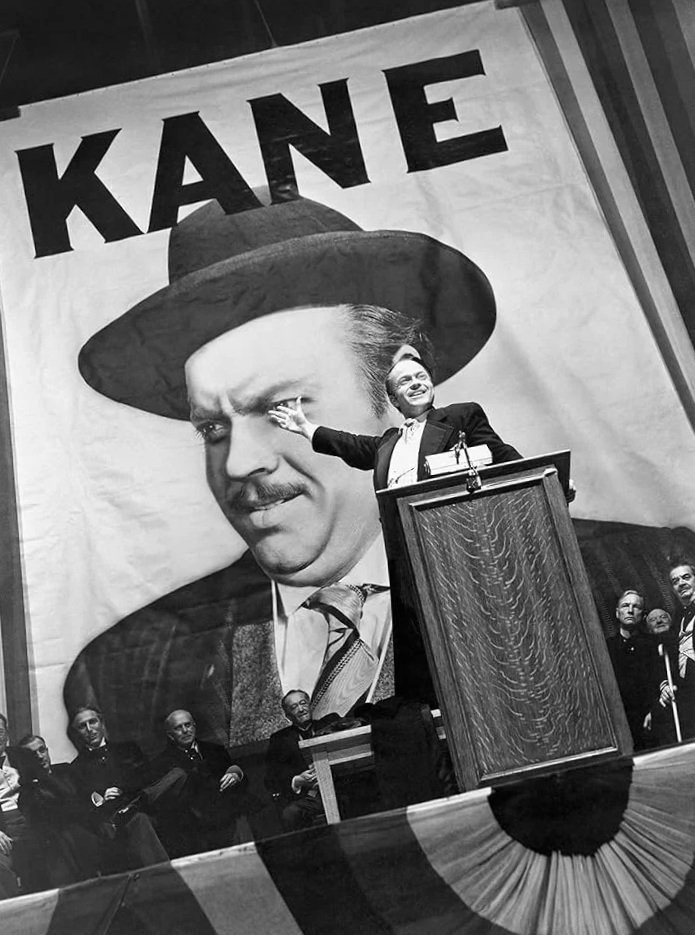
1. Citizen Kane (1941)
For good reason, Citizen Kane is consistently ranked among the greatest films ever made. It didn’t just tell a compelling story; it expanded what cinema could formally achieve.
Orson Welles revolutionized:
Deep focus cinematography
Nonlinear narrative structure
Expressive sound design
Bold visual composition
Its fractured timeline, layered mise-en-scène, and innovative camera techniques reshaped the grammar of film language. More than a biographical drama, it became a blueprint for modern cinematic storytelling.
If you want to understand the idea of the director as the primary creative force (“auteur theory”), start here. This is what it looks like when a filmmaker fundamentally alters the history of cinema.
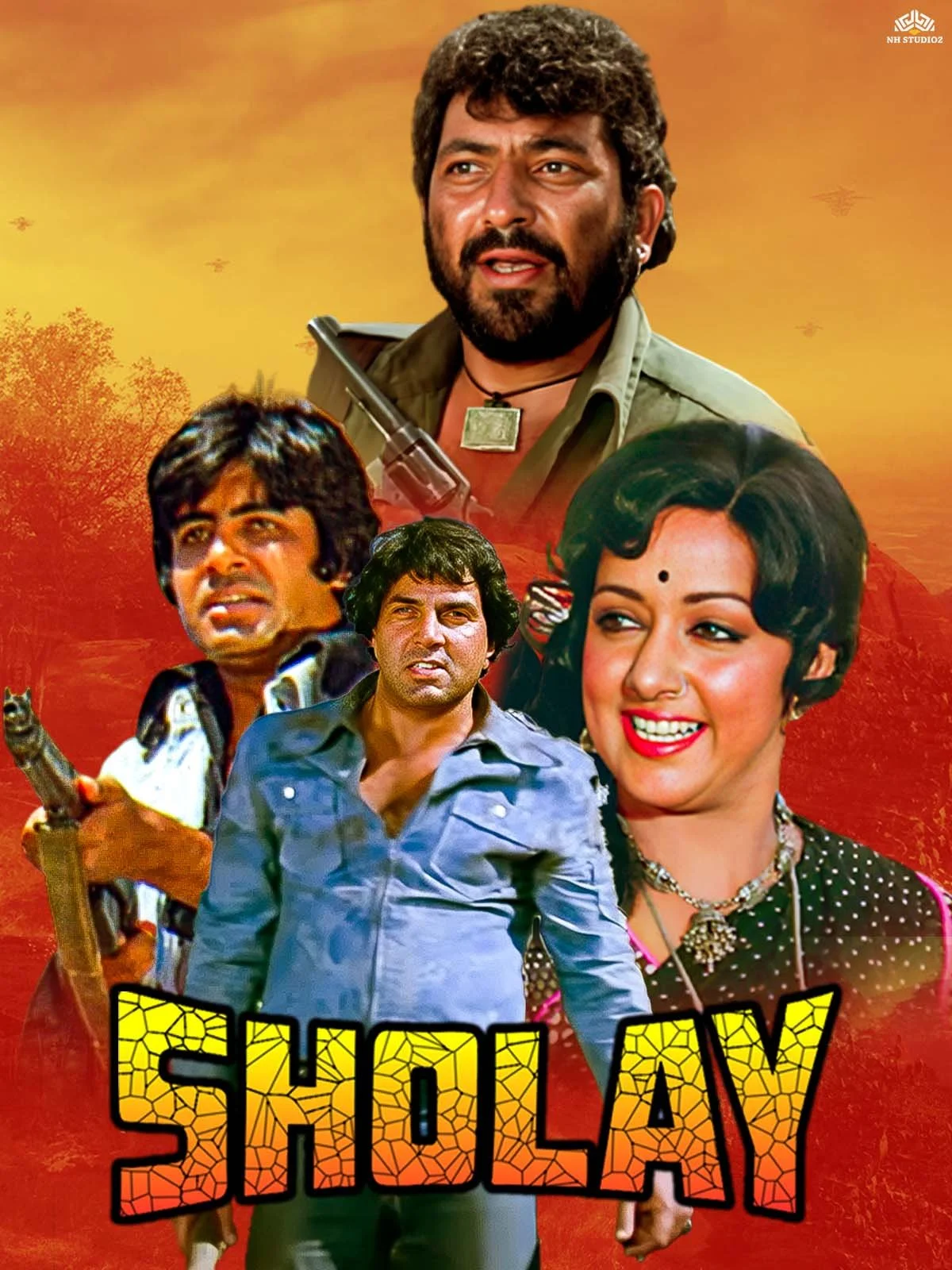
2. Sholay (1975)
Sholay is often called “Bollywood’s Star Wars,” but it’s more accurately a defining example of masala filmmaking — a style that fuses multiple genres into one expansive narrative experience.
Film theory concepts:
Genre blending
Popular cinema vs. art cinema
National industry identity
Action, comedy, romance, melodrama, and musical sequences coexist within a single story, producing dramatic tonal shifts that would feel unconventional in classical Hollywood structure. Rather than adhering to rigid genre boundaries, the film embraces emotional maximalism.
Sholay is essential for understanding how non-Western film industries develop their own narrative rhythms, audience expectations, and cinematic traditions, expanding the global history of cinema beyond Hollywood norms.
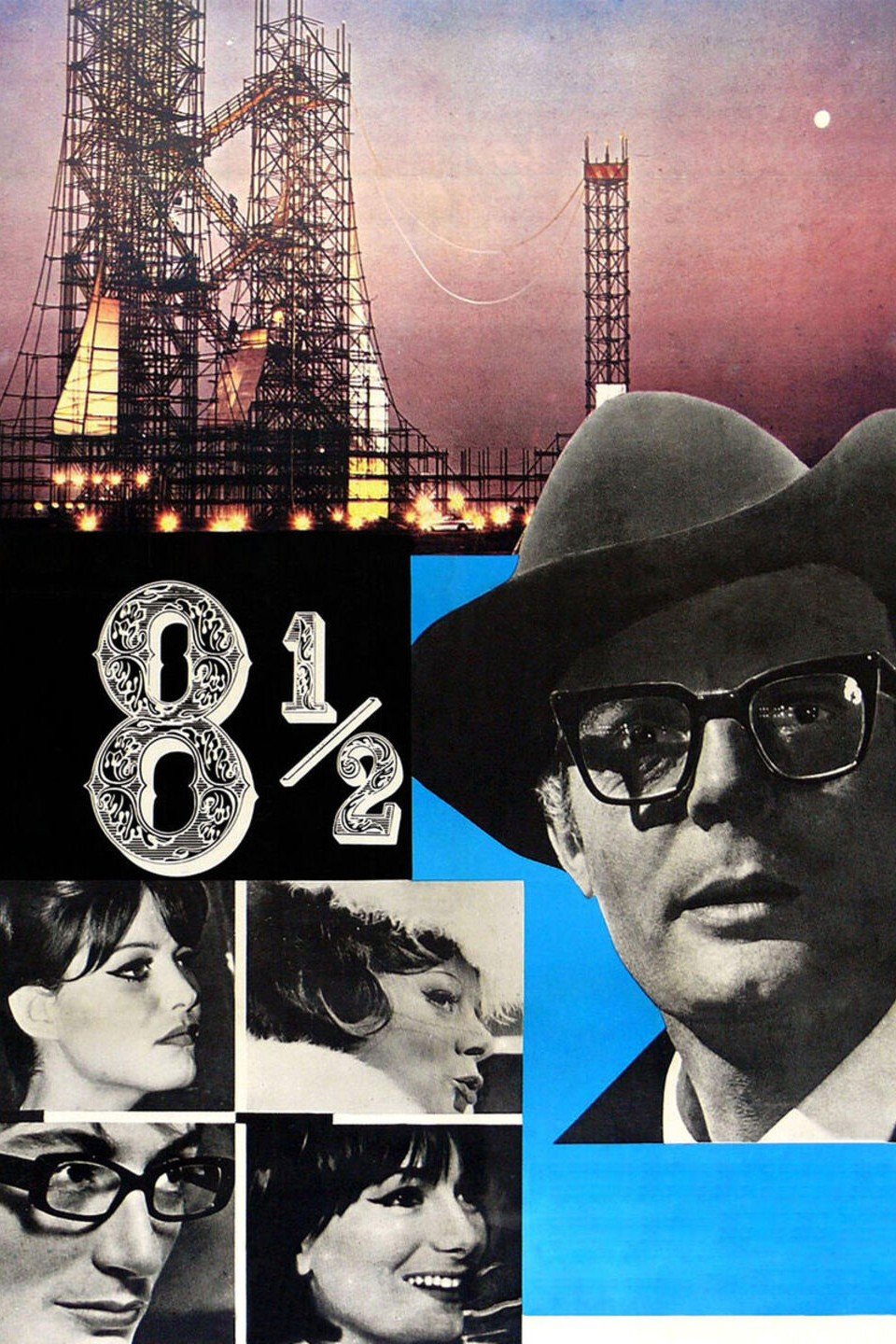
3. 8½ (1963)
8½ is the art film about art films.
Directed by Federico Fellini, the film follows a filmmaker suffering from creative paralysis as memory, fantasy, dreams, and reality blur together. There is no clean narrative line… and that’s the point.
Film theory concepts:
Reflexive cinema (a film about filmmaking)
Modernist narrative fragmentation
Subjective reality
Auteur theory
If you want to understand European art cinema of the 1960s, start here. It rejects classical Hollywood structure and instead prioritizes interiority, psychology, and artistic crisis. Nearly every self-aware film about filmmaking owes something to this one.
This is cinema turning inward and redefining itself in the process.
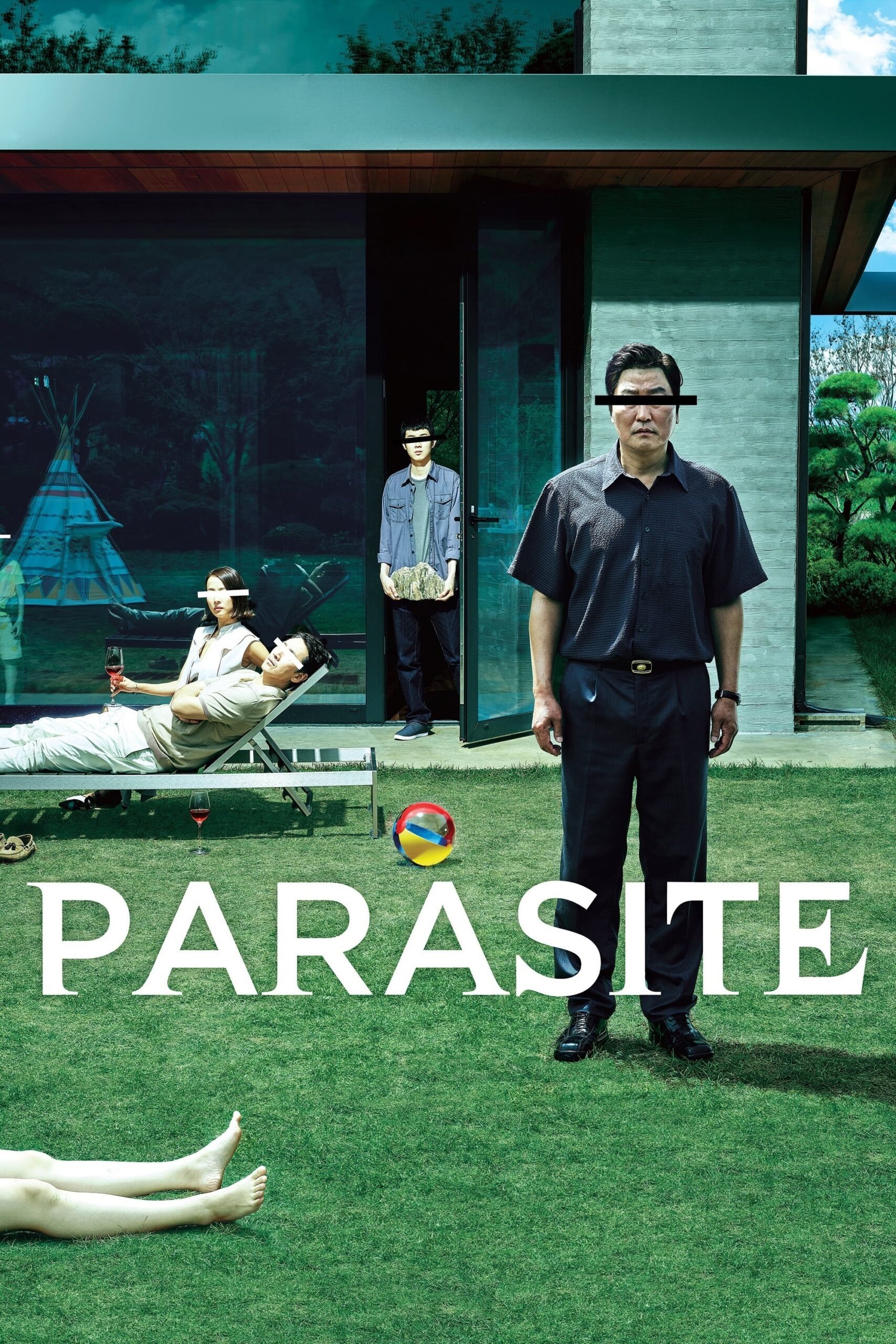
4. Parasite (2019)
As the first non-English language film to win Best Picture at the Academy Awards, Parasite changed global film discourse overnight.
Director Bong Joon Ho crafts a razor-sharp social satire about economic inequality. Every staircase, every window, every architectural division matters.
Film theory concepts:
Mise-en-scène as class metaphor
Spatial politics
Genre fluidity (comedy → thriller → tragedy)
Global cinema and transnational storytelling
This is what happens when theme and form are perfectly aligned.
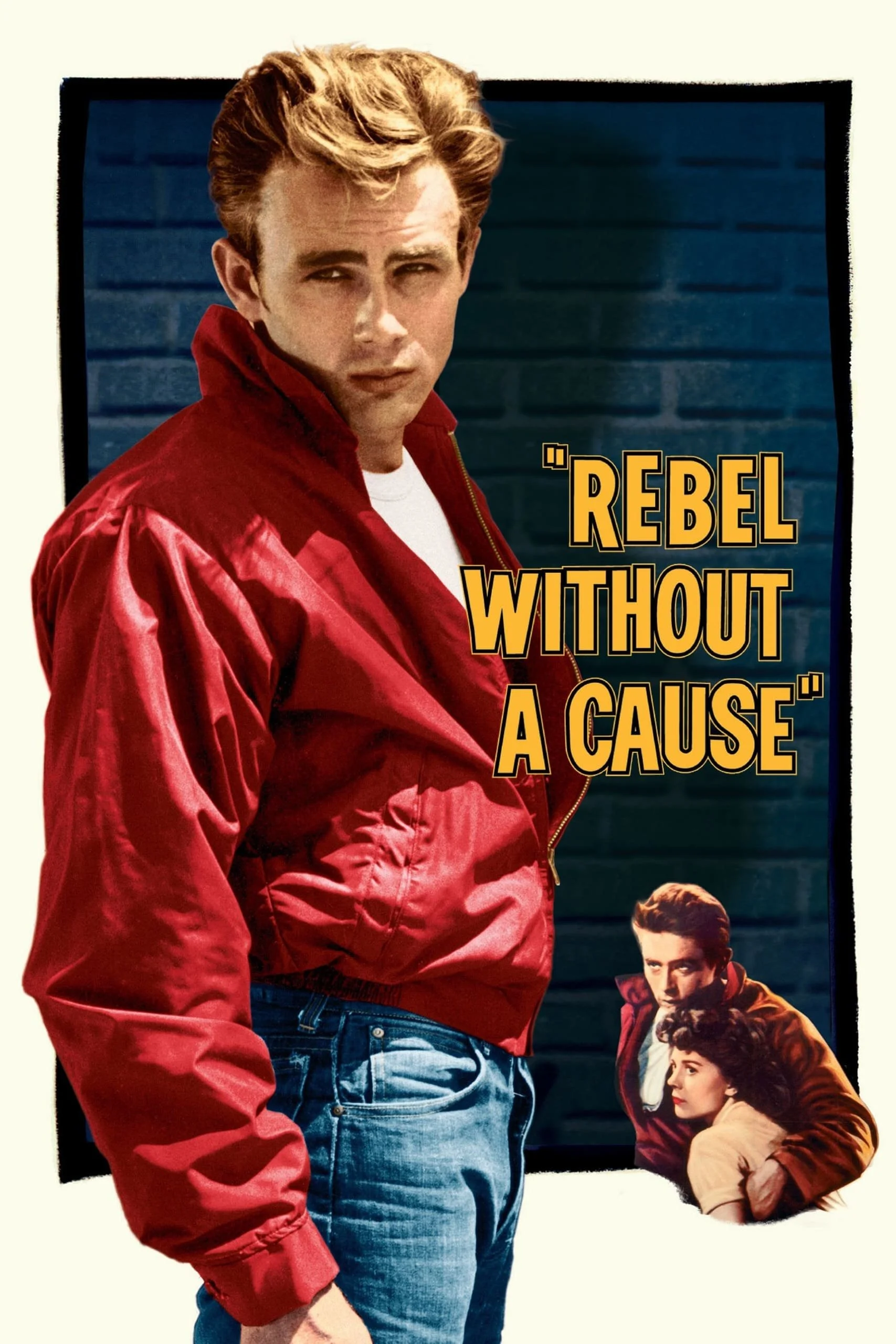
5. Rebel Without A Cause (1955)
Rebel Without a Cause helped define teenage alienation as a central subject in American cinema. Instead of sidelining youth, the film treats adolescent emotion as urgent and socially revealing, exposing the cracks beneath 1950s suburban stability.
Film theory concepts:
Youth culture in cinema
Star persona and mythmaking
1950s American anxiety
The film also solidified the teenager as a powerful cultural audience in Hollywood, shaping decades of youth-driven storytelling.
James Dean became an icon not just because of his performance, but because of the legend that followed. His vulnerability and intensity reshaped masculinity on screen and secured the film’s lasting place in cinema history.
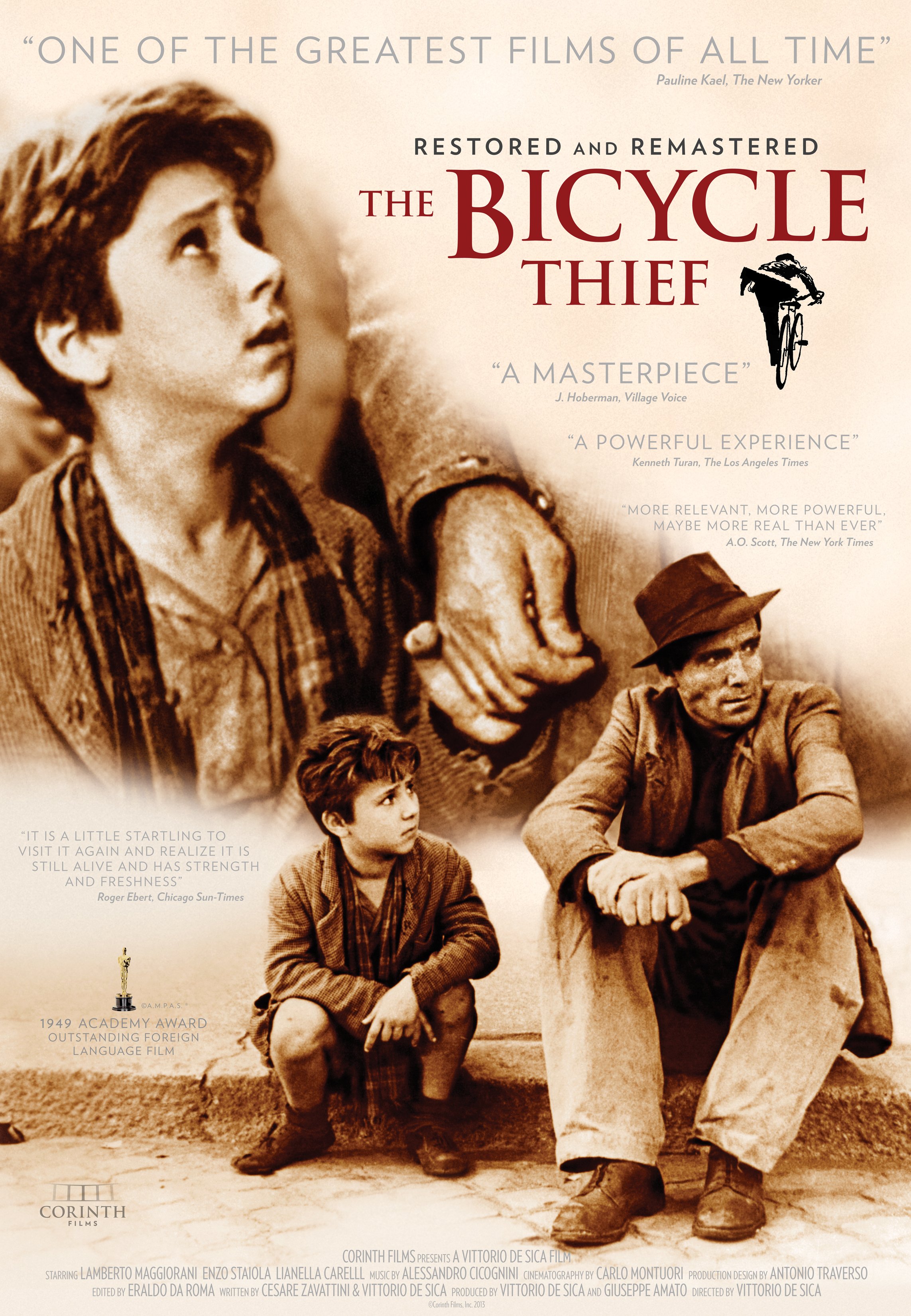
6. Bicycle Thieves (1948)
Bicycle Thieves is foundational to Italian Neorealism and remains one of the most influential films in cinema history.
Film theory concepts:
Location shooting
Nonprofessional actors
Post-war realism
Shot on the streets of Rome using largely nonprofessional performers, the film rejects Hollywood polish in favor of emotional and social authenticity. Its focus on economic hardship in postwar Italy helped redefine what stories were worthy of the screen.
The ordinary story of a man searching for his stolen bicycle becomes extraordinary through restraint, simplicity, and deep human empathy. Its legacy can be seen in decades of realist filmmaking across the globe.
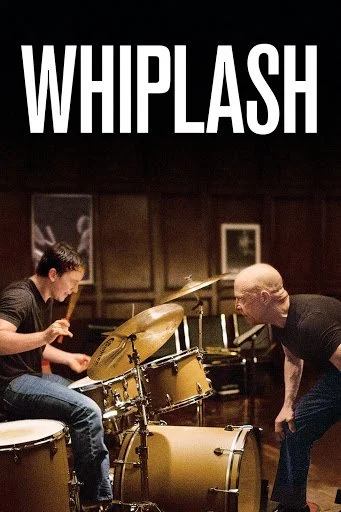
7. Whiplash (2014)
Whiplash examines obsession, ambition, and the brutal pursuit of artistic perfection. What begins as a music drama quickly becomes a psychological battle between student and instructor.
Through sharp editing and relentless pacing, the film mirrors the structure of jazz itself — building rhythm, tension, and explosive release. The camera lingers on sweat, blood, and instruments, turning performance into warfare.
Film theory concepts:
Performance intensity
Masculinity and authority
Editing as psychological escalation
The film’s formal precision (particularly in its cross-cutting and tempo shifts) demonstrates how editing can generate emotional anxiety. The final scene is pure cinematic propulsion: a crescendo that fuses sound, image, and character into one unforgettable climax.
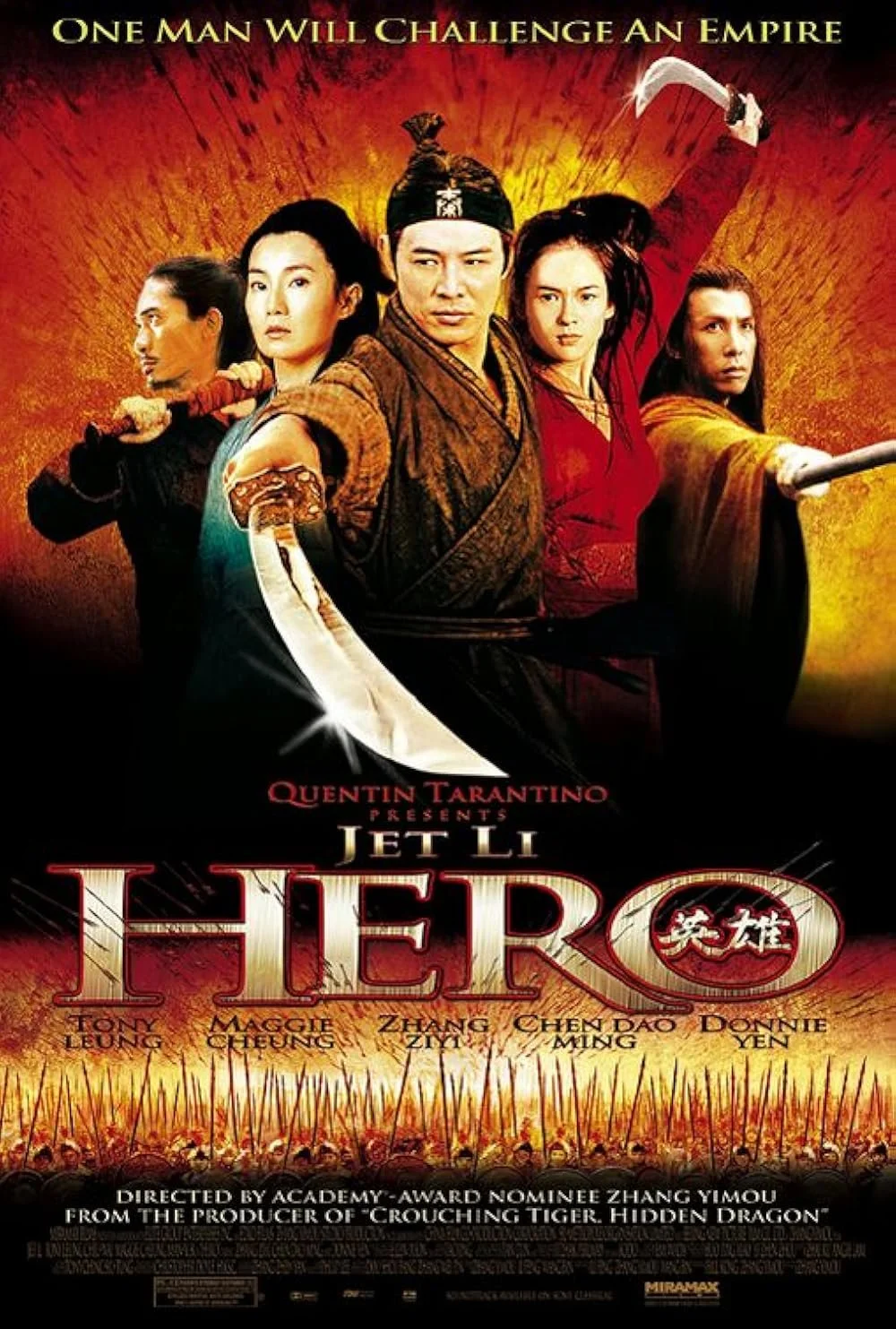
8. Hero (2002)
Hero is a masterclass in color theory and visual storytelling. Directed by Zhang Yimou, the film presents multiple versions of the same event, with each retelling defined by a distinct color palette.
Film theory concepts:
Subjective truth
National mythmaking
Martial arts cinema as political allegory
Mise-en-scène as narrative argument
Red, blue, white, and green are not simply aesthetic choices. They signal perspective, emotion, and ideological framing. The film transforms wuxia spectacle into a meditation on unity, sacrifice, and state power. In this case, mise-en-scène does not decorate the narrative; it constructs meaning.
The film also had notable global influence. Quentin Tarantino supported its U.S. release, presenting it to American audiences and helping expand its reach beyond Chinese cinema. His endorsement underscored the film’s stylistic impact and its significance within international film discourse.
Hero demonstrates how visual form itself can function as political and philosophical argument.
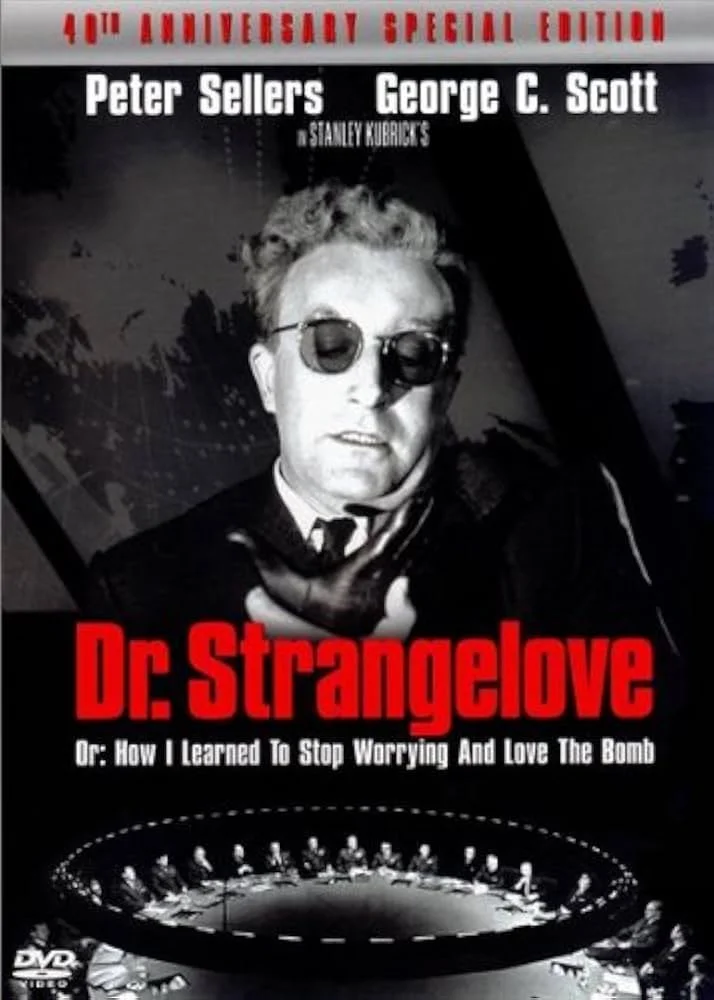
9. Dr. Strangelove or: How I Learned to Stop Worrying and Love the Bomb (1964)
Dr. Strangelove or: How I Learned to Stop Worrying and Love the Bomb proves that satire can be both absurd and surgically precise. Directed by Stanley Kubrick, this Cold War black comedy transforms nuclear annihilation into farce without ever diminishing its terror.
Film theory concepts:
Political satire in cinema
Performance exaggeration and caricature
Cold War ideology
Genre subversion (comedy about apocalypse)
Kubrick’s stark black-and-white cinematography, rigid framing, and theatrical performances heighten the absurdity of institutional power. The film critiques militarism not through melodrama, but through ridicule, exposing the fragility and ego underlying global authority.
It is a masterclass in how tone shapes meaning. The laughter feels uneasy, and that discomfort is precisely the point.
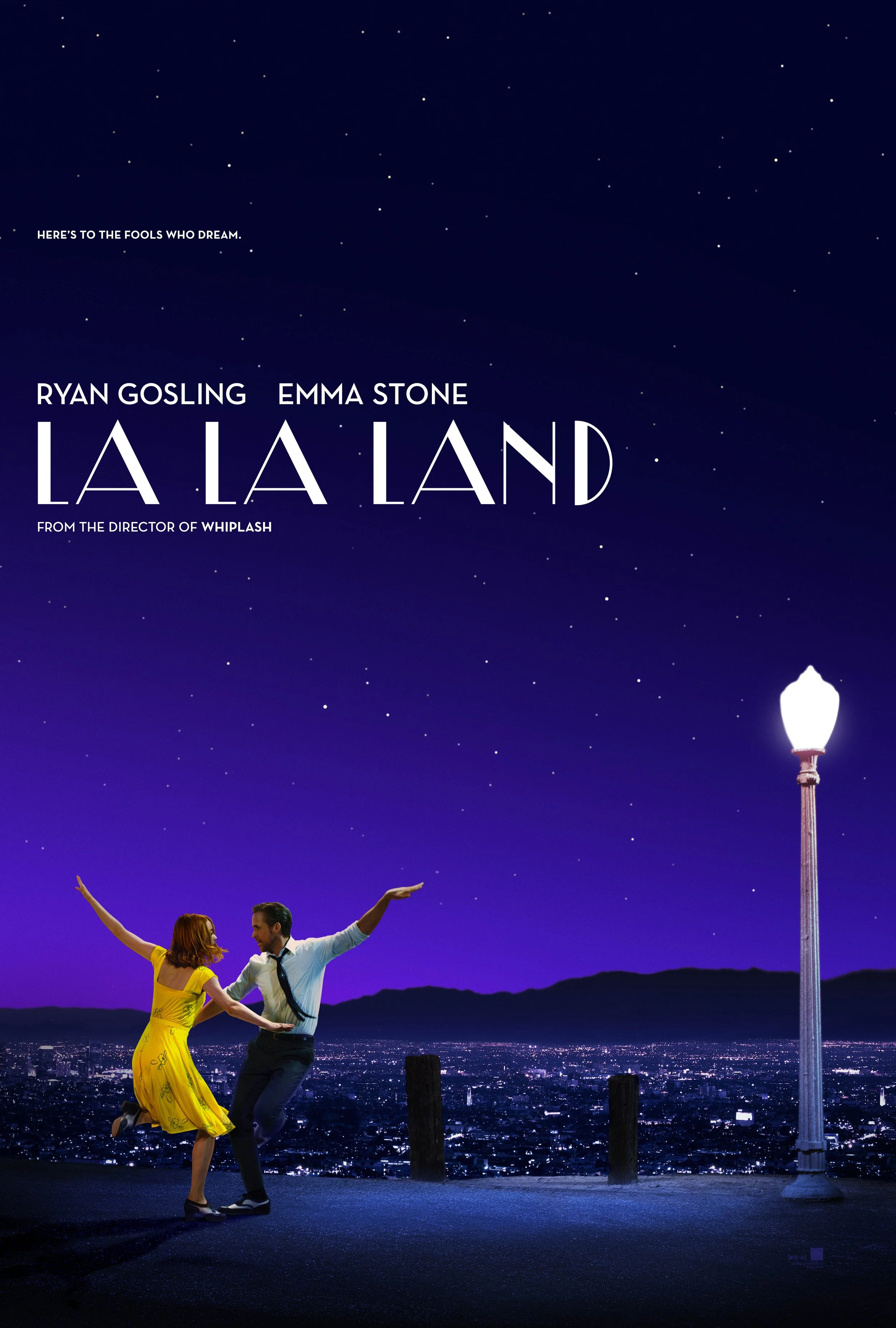
10. La La Land (2016)
La La Land is a modern musical that both celebrates and critiques Hollywood fantasy. It embraces the sweeping romance and spectacle of classic studio-era musicals while quietly questioning the cost of artistic ambition.
Film theory concepts:
Intertextuality (Golden Age musical homage)
Color symbolism
The tension between ambition and romance
Reflexivity (films about filmmaking)
Its bold primary colors, stylized choreography, and widescreen compositions recall Old Hollywood, yet the narrative resists a purely fairy-tale ending. The film is dazzling in its spectacle, but it remains deeply aware of its own illusion, reminding viewers that dreams and reality rarely align perfectly.
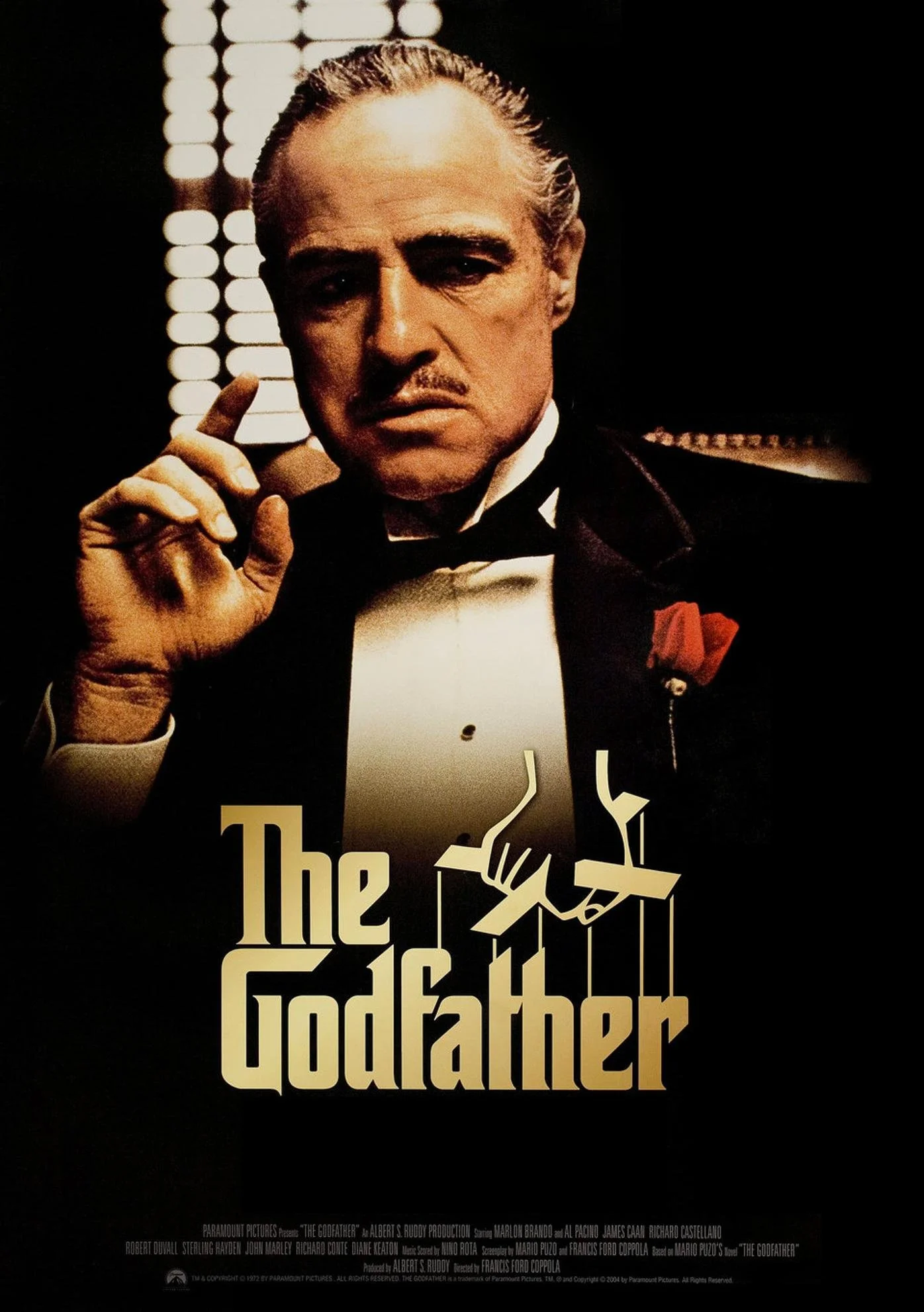
11. The Godfather (1972)
The Godfather reshaped Hollywood and redefined what a genre film could accomplish. What might have remained a conventional gangster story became an operatic tragedy about family, loyalty, and corruption.
Film theory concepts:
Auteurism
Masculinity and power
Lighting as moral atmosphere
American capitalism as crime allegory
Under the direction of Francis Ford Coppola, shadowed interiors and warm, low-key lighting create a visual world where morality feels murky and power is inherited rather than earned. The film treats organized crime not as spectacle, but as a mirror of American corporate ambition and patriarchal authority.
In doing so, it helped define the ambition and stylistic boldness of 1970s New Hollywood, proving that popular cinema could be both commercially successful and artistically monumental.
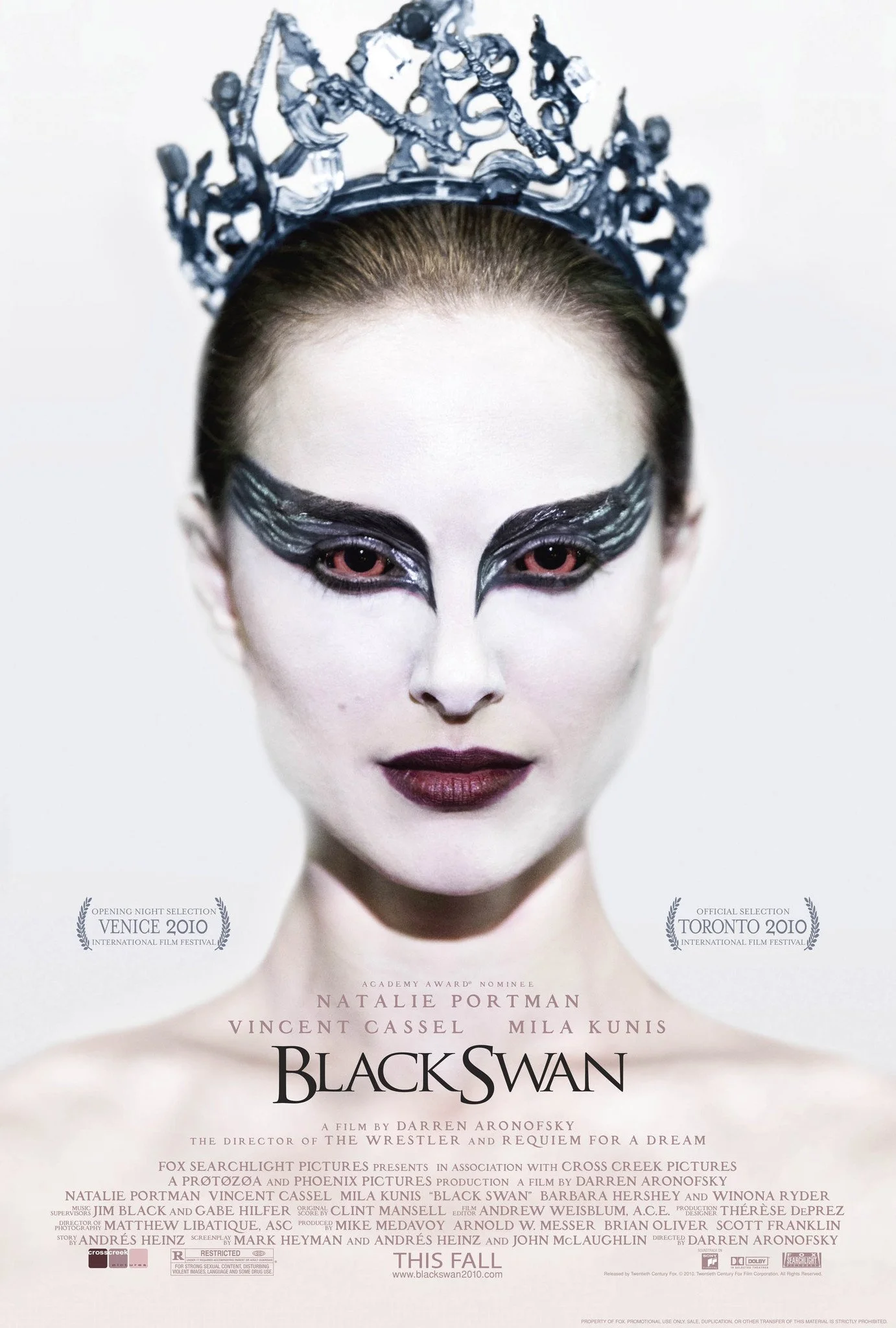
12. Black Swan (2010)
Black Swan blends psychological horror with performance melodrama, turning the pursuit of artistic perfection into something unsettling and destructive. The world of ballet becomes a pressure cooker where identity begins to fracture.
Film theory concepts:
The “tortured artist” trope
Body horror
The gaze and doubling
Subjective camera
Through mirrors, split identities, and an increasingly unstable point of view, the film pulls the audience into Nina’s psychological unraveling. The handheld camera and intimate framing blur the line between reality and hallucination.
It sounds like an unlikely combination, art film meeting horror, yet the fusion works because both genres are rooted in obsession and transformation.
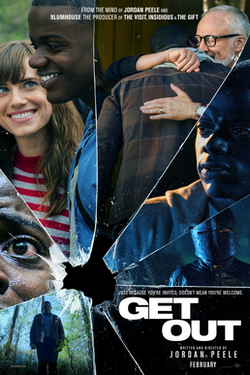
13. Get Out (2017)
Get Out proved that horror could function as razor-sharp social satire without sacrificing suspense or entertainment.
Jordan Peele uses familiar horror tropes to dissect racial liberalism, performative allyship, and the commodification of Black identity. What initially appears polite and progressive slowly reveals itself as predatory.
Film theory concepts:
Horror as allegory
The politics of the gaze
Genre subversion
By reframing everyday social interactions as sites of terror, the film expands what horror can critique. Its success reshaped cultural expectations of the genre, demonstrating that socially conscious storytelling and mainstream appeal are not mutually exclusive.
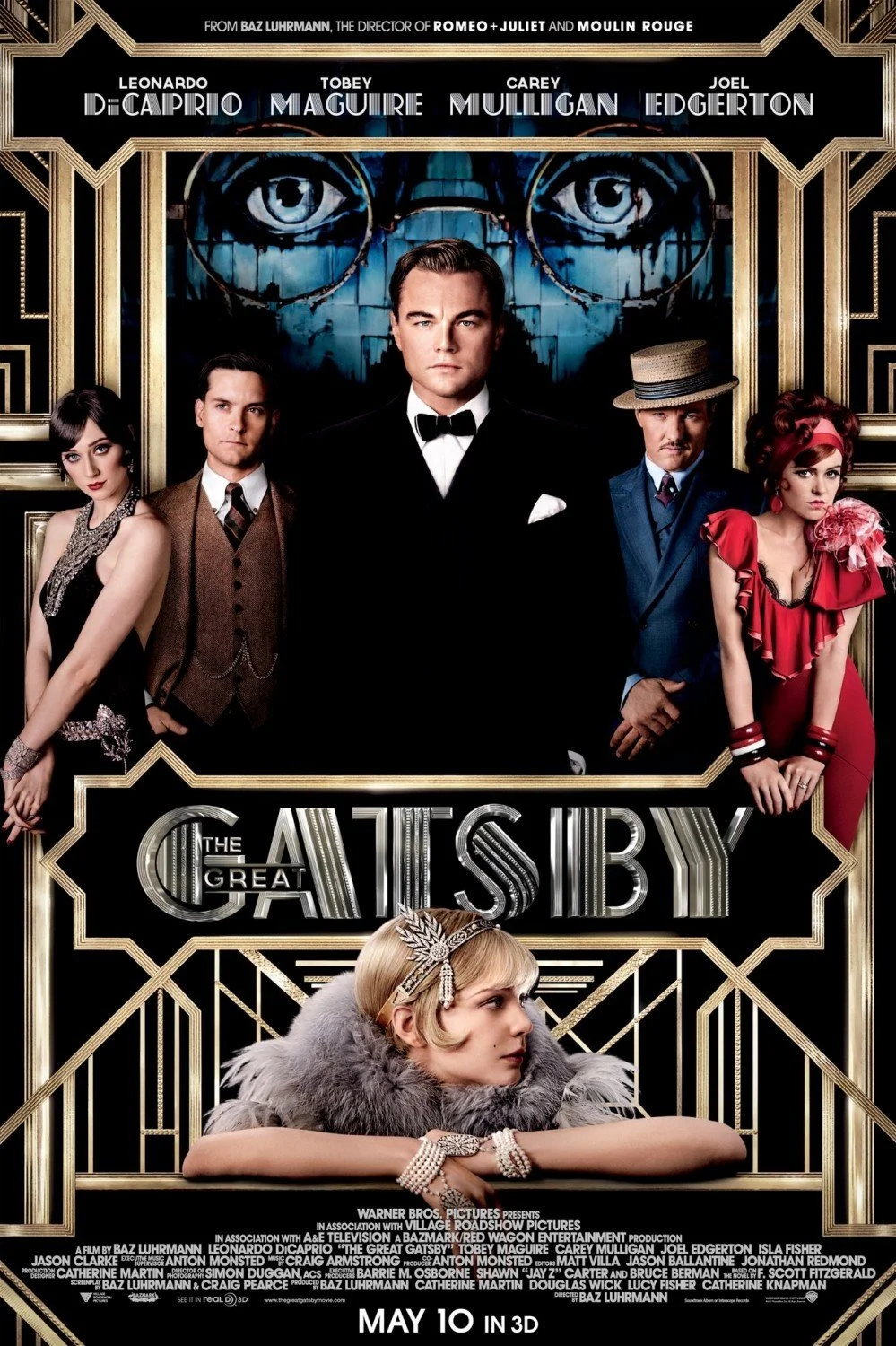
14. The Great Gatsby (1974)
The Great Gatsby offers one of the most visually opulent interpretations of the American Dream myth.
Adapted from The Great Gatsby by F. Scott Fitzgerald, the film captures the shimmering illusion of wealth, romance, and reinvention — only to reveal its emptiness.
Film theory concepts:
Literary adaptation theory
The American Dream as cinematic construction
Production design as ideology
Spectacle vs. moral decay
What makes this film theory-relevant is its visual excess. The ornate costumes, the sweeping party scenes, the carefully composed frames — all serve to critique the very fantasy they glamorize. It’s a reminder that cinema doesn’t just tell stories about ambition; it manufactures desire.
In studying this film, you study how Hollywood mythologizes and dismantles its own national identity.
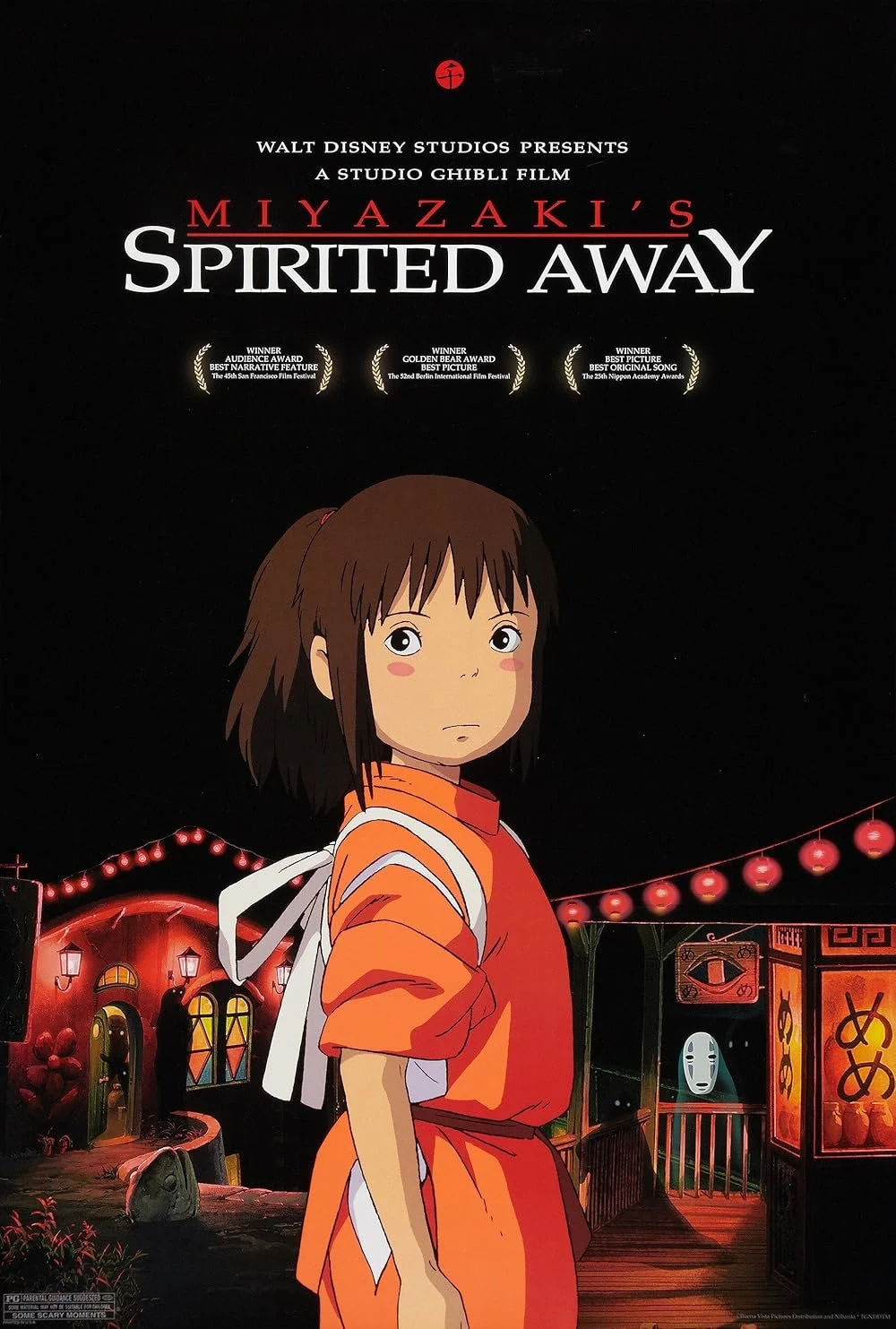
15. Spirited Away (2001)
Spirited Away is animated storytelling at its most poetic.
Hayao Miyazaki weaves a fantastical world that is at once whimsical, terrifying, and deeply human. Through Chihiro’s journey, the film explores identity, growth, and the moral complexities of the world around her.
Film theory concepts:
Animation as auteur cinema
Environmental allegory
Childhood subjectivity
Genre and medium fluidity
By centering a child’s perspective within a richly imagined, morally ambiguous universe, the film demonstrates that animation is not a genre — it’s a versatile medium capable of conveying profound themes. Its visual poetry, symbolic depth, and narrative sophistication expanded the possibilities of animated cinema, proving it can carry the same artistic weight as any live-action masterpiece.
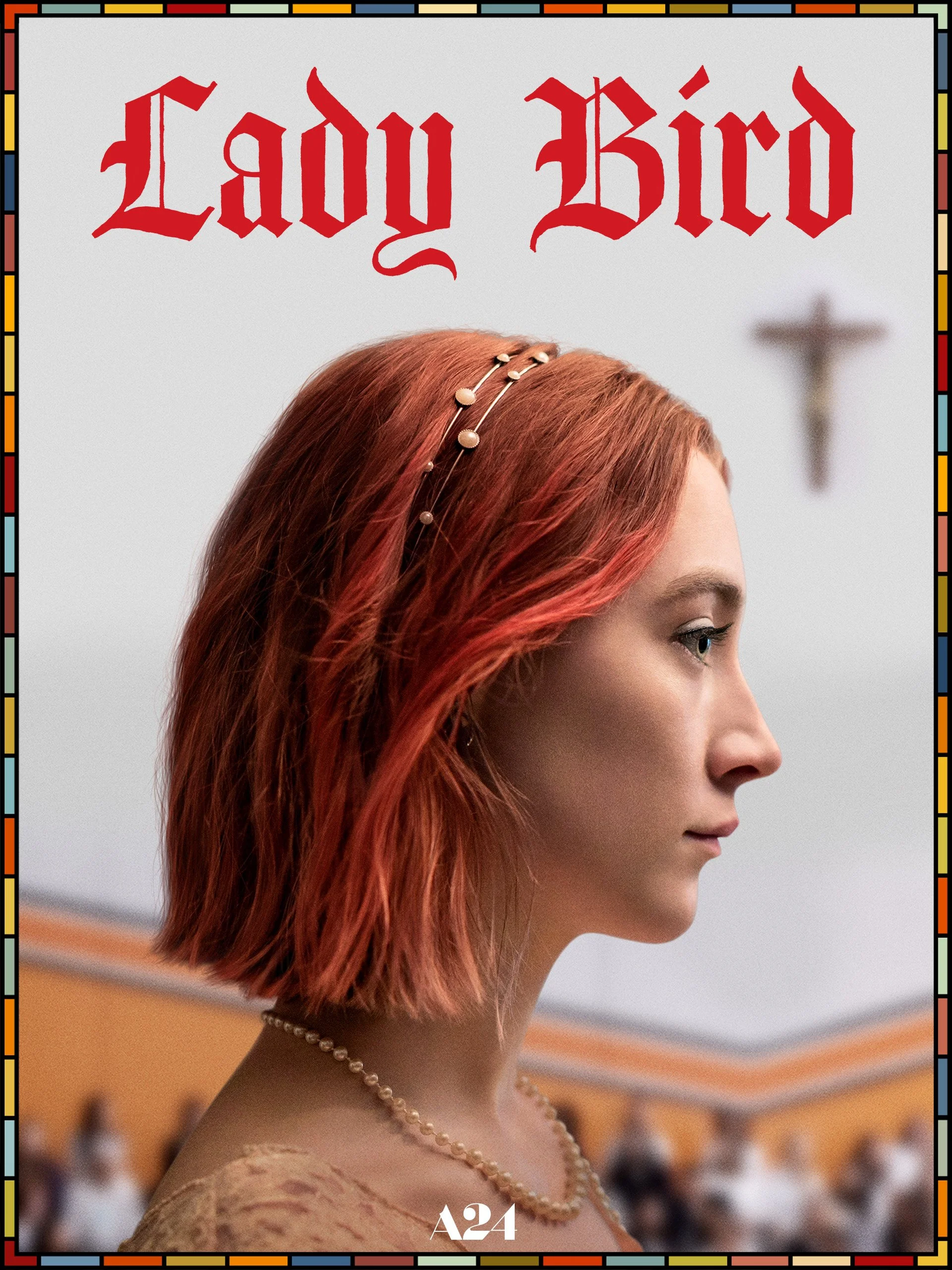
16. Lady Bird (2017)
Lady Bird is intimate, restrained, and emotionally precise. Rather than relying on dramatic spectacle, it finds meaning in everyday conversations, fleeting arguments, and quiet moments of self-discovery.
Film theory concepts:
Coming-of-age narratives
Female authorship
Editing as emotional rhythm
Directed by Greta Gerwig, the film reshapes the coming-of-age genre through a distinctly female perspective, centering the complicated bond between mother and daughter. Its tight, purposeful editing mirrors memory itself, moving briskly through adolescence without overindulging in nostalgia.
In its softness and specificity, Lady Bird demonstrates that subtle storytelling can be quietly radical.
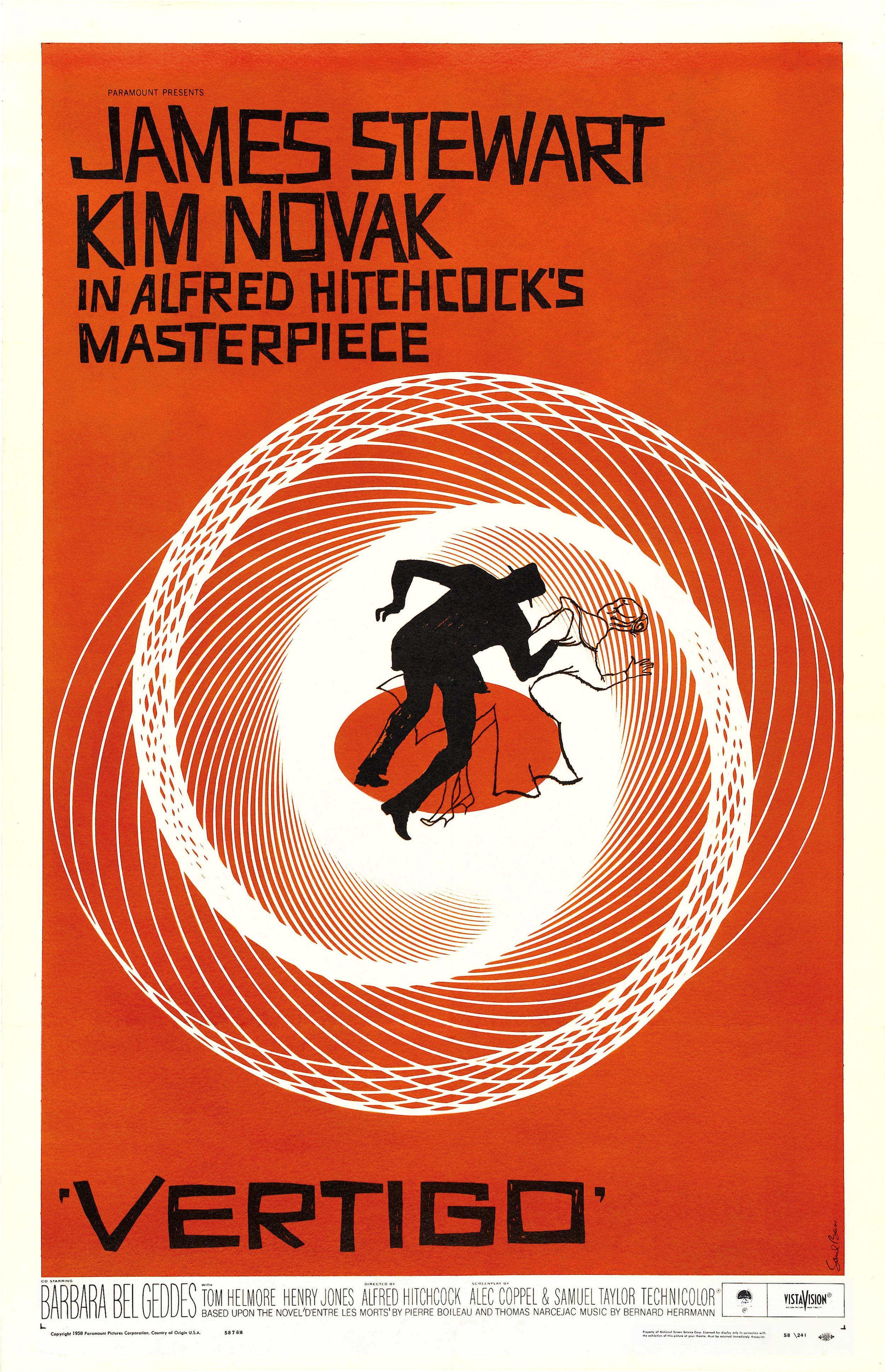
17. Vertigo (1958)
Vertigo is essential Hitchcock. The film immerses viewers in a labyrinth of desire, obsession, and psychological instability, exploring how perception, memory, and fantasy can distort reality. Every frame is meticulously composed to manipulate both narrative and emotion.
Film theory concepts:
The male gaze
Obsession and identity
The twist structure
Color as psychological signal
By examining the destructive power of desire and the subjectivity of perception, Vertigo demonstrates how formal techniques, from camera movement to color and composition, can deepen storytelling. Its exploration of obsession, identity, and visual psychology has made it endlessly analyzed and endlessly rewatchable, cementing its place as a cornerstone of film theory and cinematic craft.
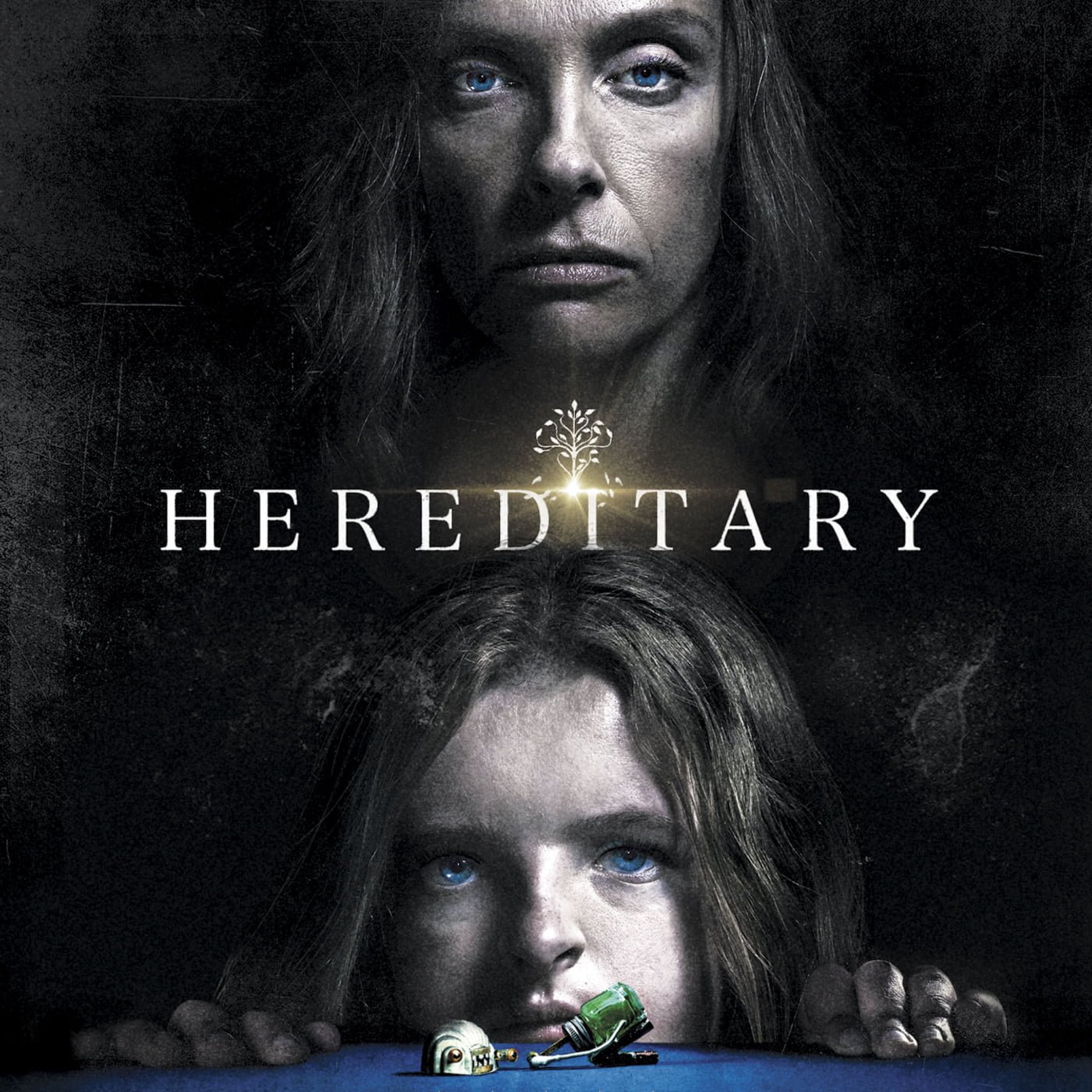
18. Hereditary (2018)
Ari Aster crafts a slow-burning nightmare that lingers long after the credits roll. The film turns domestic life into a site of terror, exploring how personal trauma and grief can manifest as horror. Every camera movement and framing choice amplifies the psychological tension, making the supernatural feel intimately connected to the real.
Film theory concepts:
Slow-burn horror
Trauma as supernatural metaphor
Domestic space as terror site
By foregrounding grief and familial trauma before the supernatural, Hereditary redefines what horror can explore. It shows that fear is not just about monsters, but about the human experience, elevating horror to a medium for emotional and psychological insight.
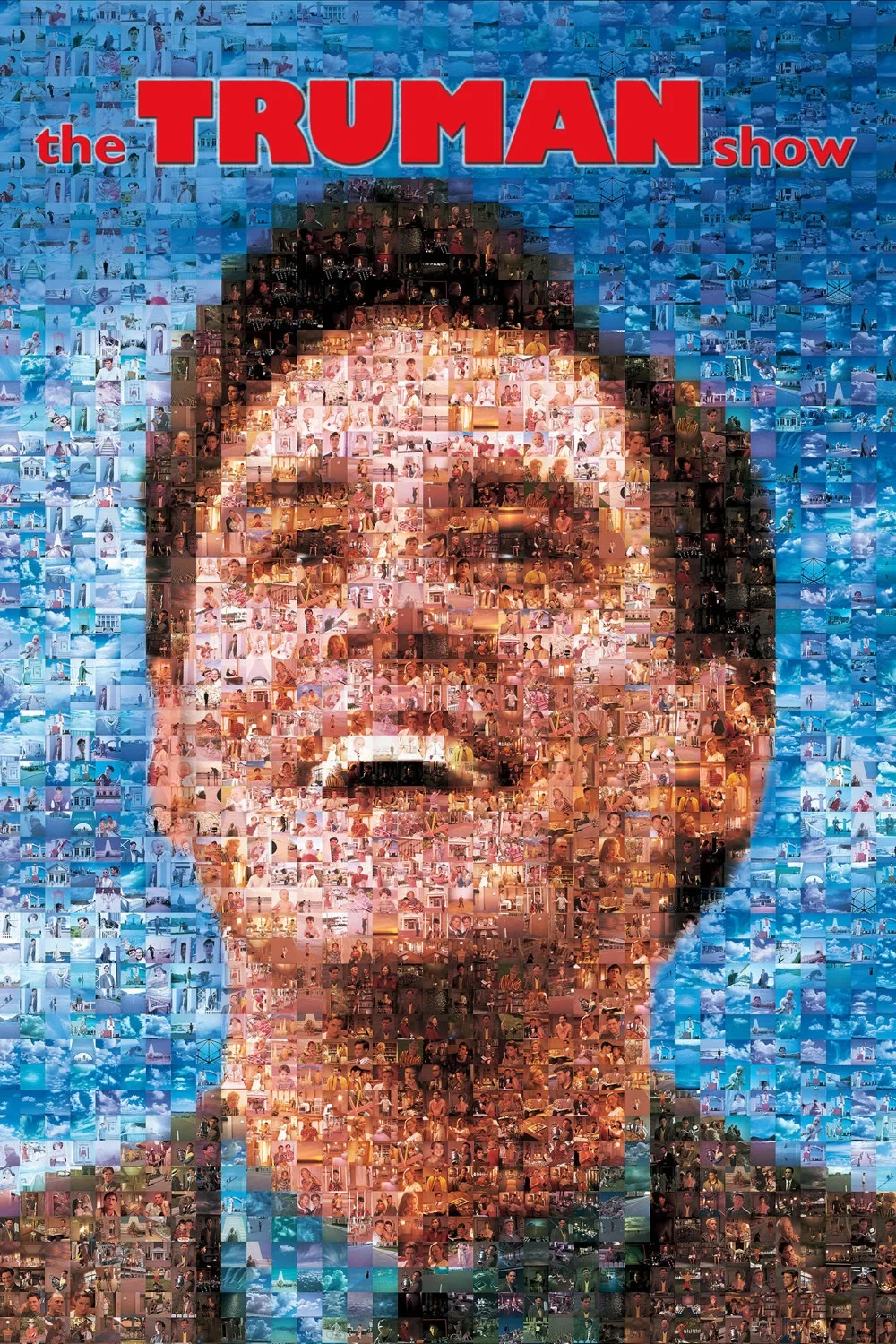
19. The Truman Show (1998)
The Truman Show predicted reality TV culture and surveillance anxieties before they dominated discourse.
Peter Weir constructs a meticulously controlled world that blurs the line between performance and reality. Truman’s every action is observed and manipulated, forcing viewers to question the nature of media, spectatorship, and personal freedom.
Film theory concepts:
Simulacra and hyperreality
Media spectatorship
Constructed reality
By turning a single life into a spectacle, The Truman Show examines how reality is mediated, performed, and consumed. Its blend of intimate character study and philosophical scope makes it both emotionally engaging and intellectually provocative, demonstrating cinema’s power to reflect and critique culture.
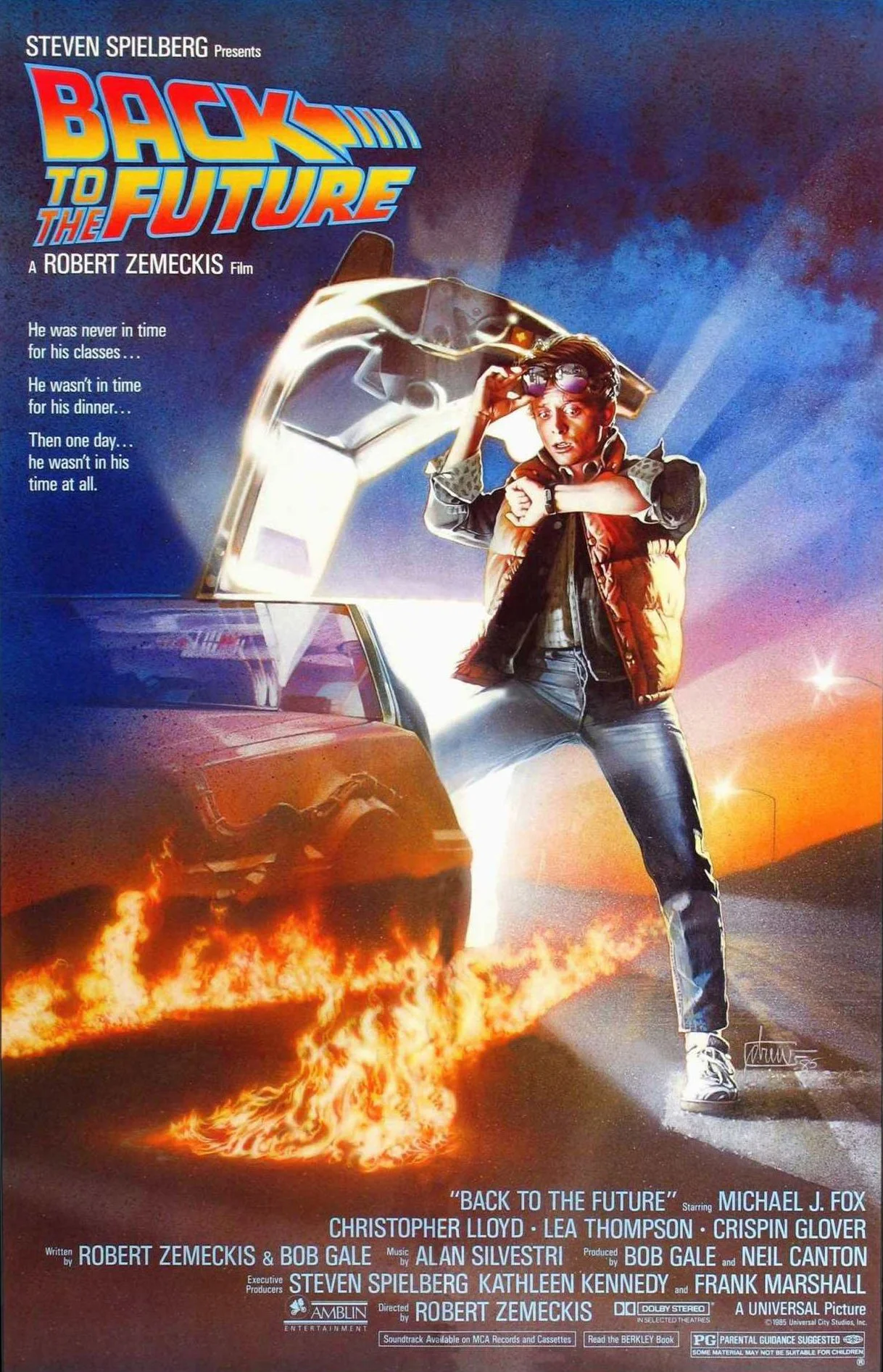
20. Back to the Future (1985)
Robert Zemeckis crafts a story that is both structurally precise and wildly entertaining. The film balances humor, action, and emotional stakes while using time travel as a tool to explore causality, character, and narrative complexity.
Film theory concepts:
Classical narrative economy
Time travel as narrative device
Franchise formation
By combining airtight storytelling with imaginative concepts and memorable characters, Back to the Future demonstrates how mainstream cinema can be both fun and sophisticated. Its influence on narrative construction and franchise filmmaking makes it a cornerstone of modern film theory.
Final Take:
Film theory isn’t about watching “important” movies — it’s about watching closely.
These 20 films span:
Hollywood classics
International cinema
Animation
Horror
Musicals
Blockbusters
Experimental hybrids
Together, they teach you how cinema builds meaning. And once you start seeing it, you’ll never watch movies the same way again.
Last updated February 2026
