Horror is one of those genres where the same titles tend to dominate every recommendation list. The Shining. The Exorcist. Hereditary. The Conjuring. They’re there for a reason, but horror is also full of movies that never quite entered the larger cultural canon, even when they absolutely deserved to. These aren’t necessarily obscure films. Horror fans will recognize most of them. They’re movies that are just easy to miss, skip over, or forget about… and, in one case, a movie that becomes substantially better if you turn it into a drinking game.
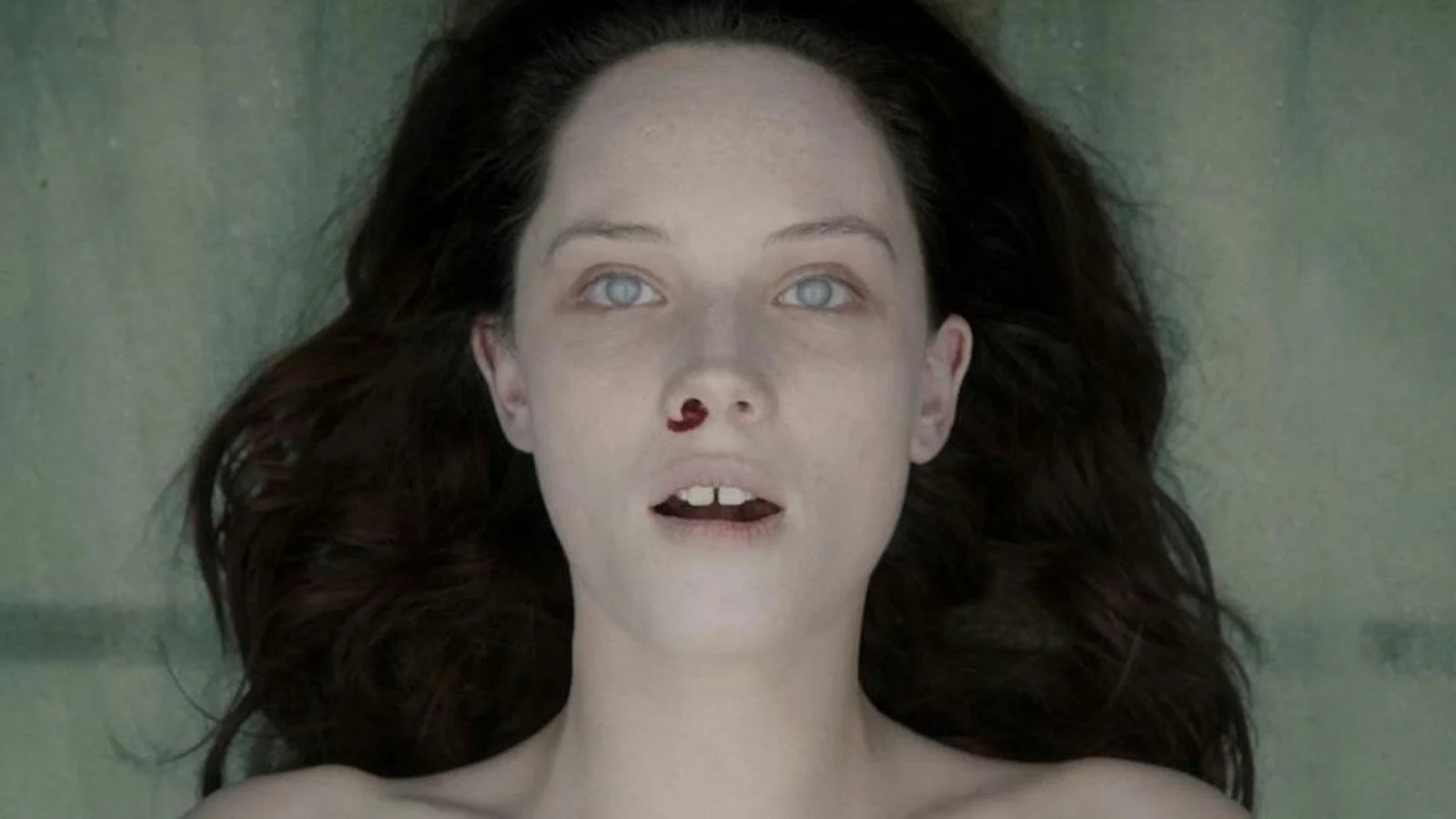
The Autopsy of Jane Doe (2016)
This is one of the rare horror movies I recommend with the incredibly simple endorsement that it is genuinely scary. A father-and-son team of coroners receives the body of an unidentified young woman, and the autopsy slowly reveals a series of things that should not be possible. The movie traps you in the morgue with them and makes increasingly good use of how little space there is to escape.
And it has jump scares. A lot of them. I know jump scares have somehow become shorthand for lazy horror, but there is an art to a good one, and The Autopsy of Jane Doe understands the difference between startling someone and actually frightening them. It establishes dread first, then uses the jump scares as punctuation. By the time the movie really gets going, practically every sound in that morgue feels threatening.
Watch it if: You want to actually be scared.
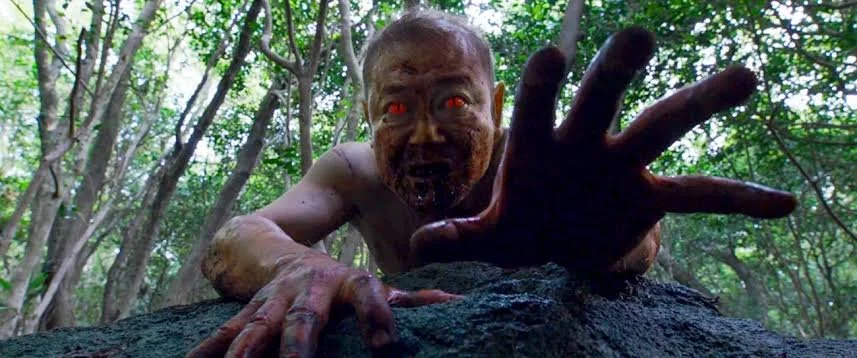
The Wailing (2016)
The Wailing is the movie on this list that I hesitate to explain at all. A series of bizarre illnesses and violent deaths begins after a mysterious stranger arrives in a rural Korean village, sending a local policeman deeper and deeper into something he cannot understand.
What makes the movie so effective is how difficult it is to determine exactly what kind of horror story you’re watching. It moves between murder mystery, possession story, folk horror, religious horror, and even moments of comedy without ever completely settling into one of them. Your understanding of who can be trusted keeps shifting along with the protagonist’s.
It is long, strange, and increasingly nightmarish. Give it the time it asks for.
Watch it if: You like horror that leaves you trying to figure out what the hell you just watched.
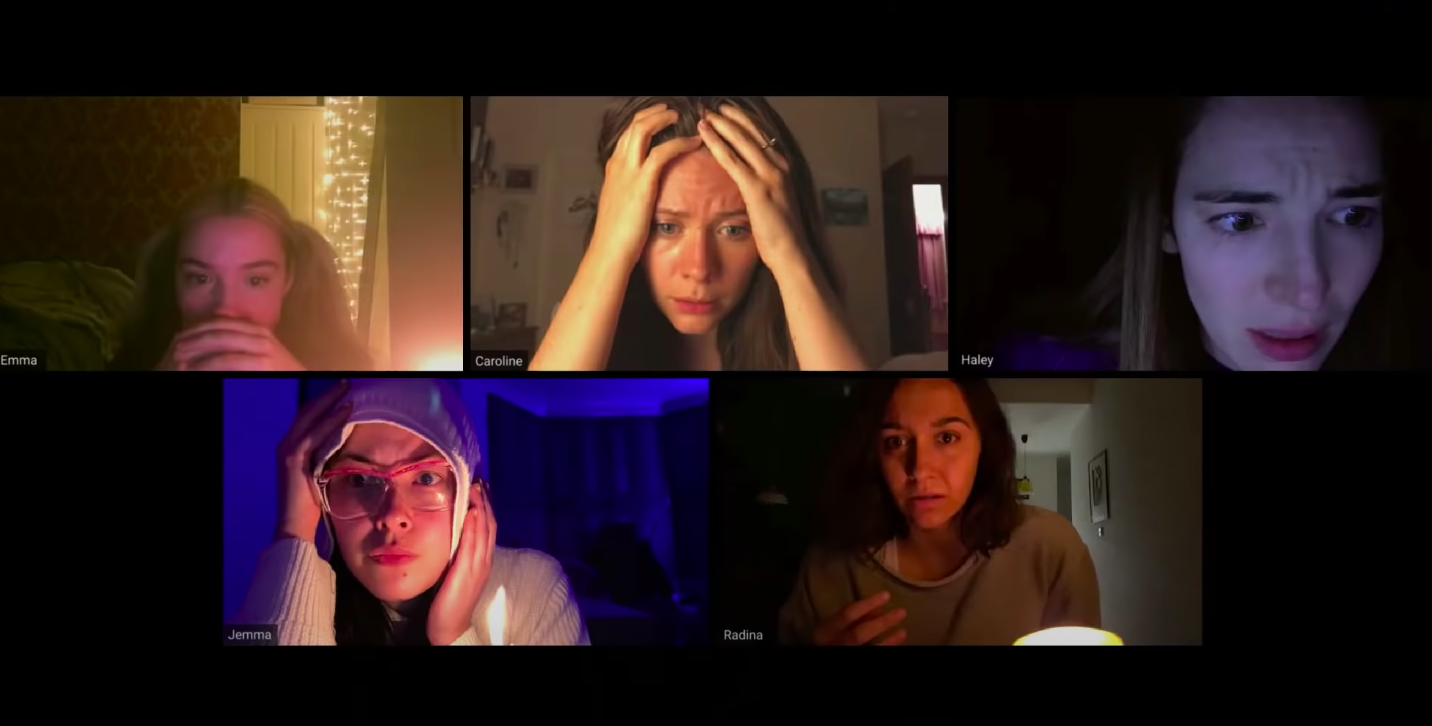
Host (2020)
Of all the movies made during COVID, Host might be one of the most creative examples of filmmakers turning the restrictions of the pandemic into an advantage.
The entire movie takes place over a Zoom call in which a group of friends decides to conduct a virtual séance. That's basically it. It was made on a tiny budget, runs for less than an hour, and manages to do more with laptops, webcams, dark rooms, and glitchy video than movies with exponentially larger budgets accomplish with elaborate sets and visual effects.
The limitations are what make it work. The characters can't simply run into the next room to help one another. We can only see whatever their webcams happen to show us. Every dark corner of every little Zoom square becomes somewhere you don't want to look.
It’s a feat of low-budget creative horror and one of the rare pieces of COVID-era filmmaking where the circumstances of its creation actually make the movie better.
Watch it if: You want to see what horror filmmakers can accomplish with almost nothing.
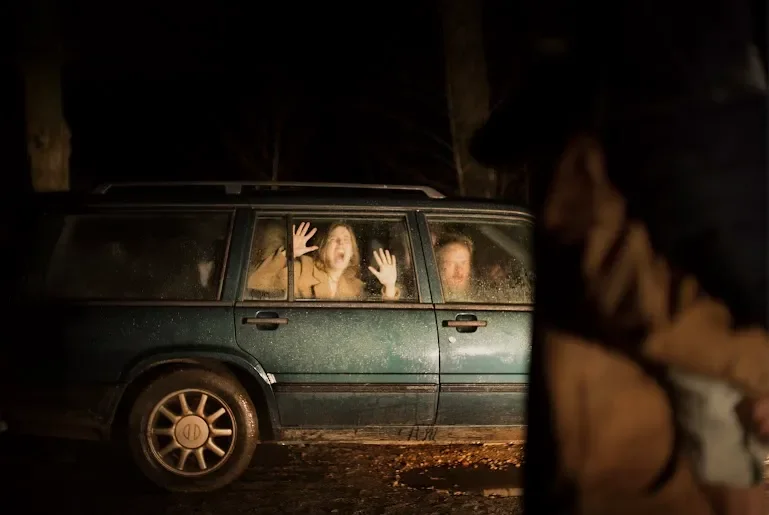
Speak No Evil (2022)
THE DANISH ORIGINAL. NOT THE REMAKE.
A Danish family meets a Dutch family while on vacation and later accepts an invitation to visit them at their home. What follows is one of the most uncomfortable demonstrations of social politeness being weaponized that I have ever watched.
The horror isn't initially that these people are obviously dangerous. It's that they're slightly inappropriate. Then they're rude. Then they're unsettling. Each individual boundary violation feels just small enough that objecting would make you seem unreasonable. So the characters tolerate it. And tolerate it. And tolerate it.
The movie understands how difficult it can be to break the social contract even when every instinct is telling you something is wrong.
And again: Danish. Original. 2022.
Watch it if: You enjoy spending an entire movie wanting to grab the protagonists by the shoulders and scream at them.
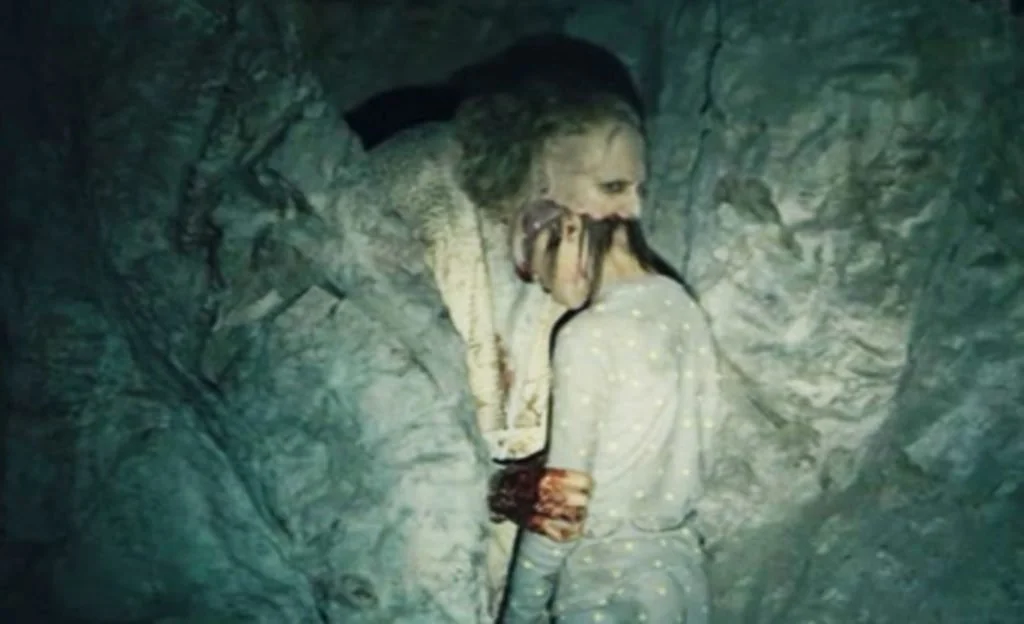
The Taking of Deborah Logan (2014)
A documentary crew begins filming an elderly woman experiencing what appears to be worsening Alzheimer’s disease. Eventually, some of Deborah's behavior becomes difficult to explain medically.
Found footage lives or dies by whether the format actually contributes something to the story, and The Taking of Deborah Logan gives the camera a reason to exist. We’re watching people who initially believe they're documenting an illness slowly realize that their footage may be capturing something else entirely.
It also contains an image toward the end that, once seen, is extremely difficult to remove from your brain.
Watch it if: Found footage and possession movies are your thing.
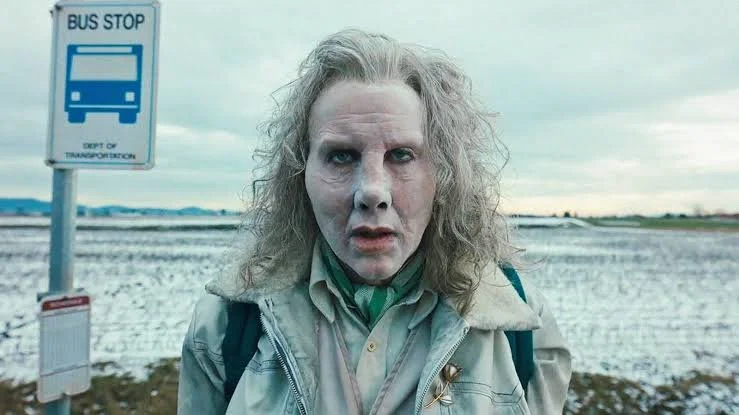
Longlegs (2024)
I am going to recommend Longlegs with an enormous qualification: watch it with friends and make it a drinking game.
If you sit down expecting a straightforward terrifying horror movie, there is a very real possibility you will wonder what on earth everyone was talking about. This movie is ridiculous. Nicolas Cage is ridiculous. There are choices being made here that become infinitely more entertaining when you stop demanding that the movie behave normally.
So don't.
Get some friends together. Establish some drinking-game rules. Embrace Nicolas Cage operating on a completely different frequency from every other human being in the movie. Laugh when something is funny. The movie works much better when you have a sense of humor about what you're watching rather than treating every bizarre moment with deadly seriousness.
There is genuinely interesting filmmaking underneath all of it, but sometimes the correct way to appreciate cinema is to acknowledge that what you're watching is absolutely insane.
Watch it if: You have friends, drinks, and a willingness to surrender yourself to whatever Nicolas Cage thinks he's doing.
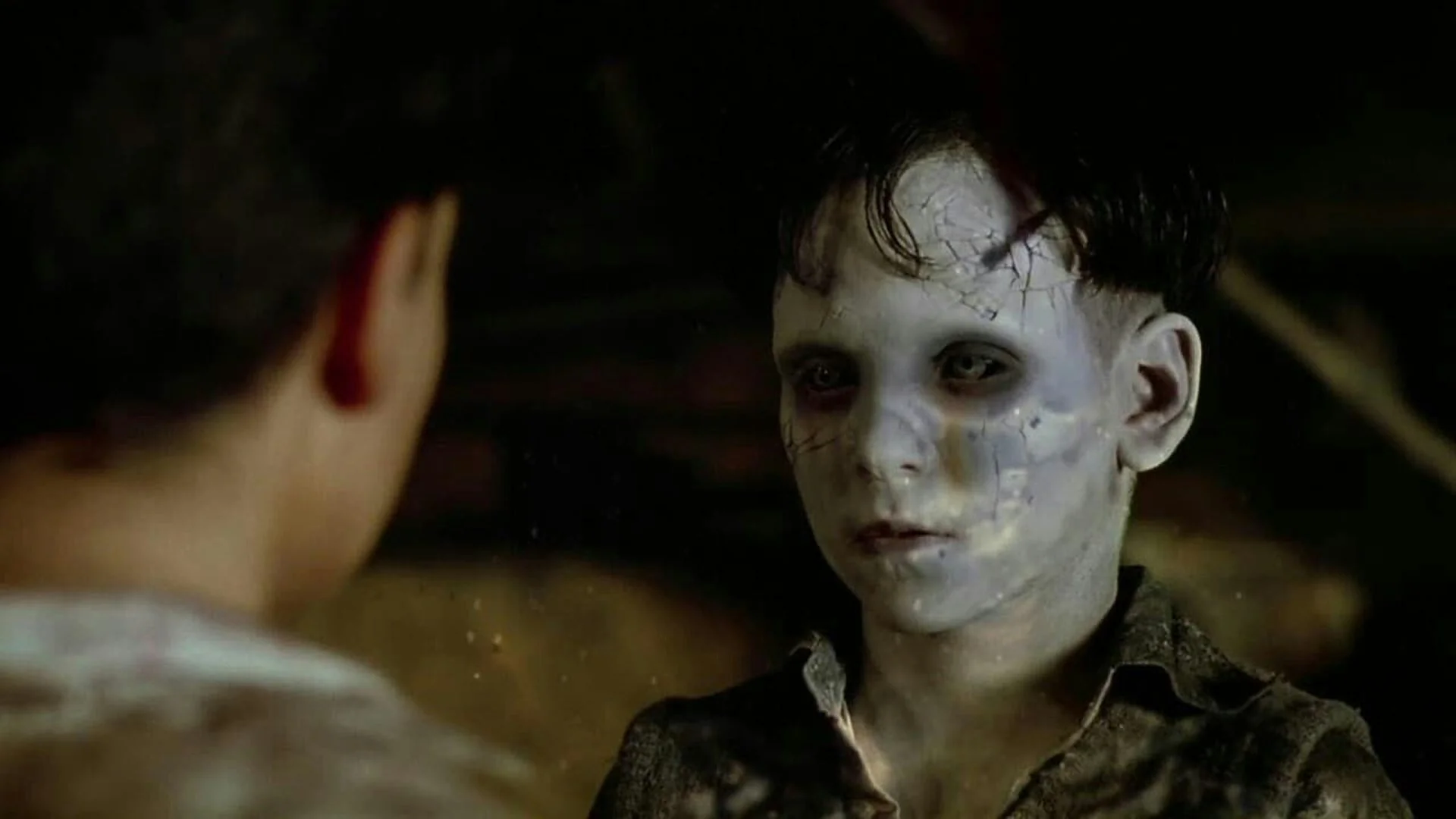
The Devil’s Backbone (2001)
Before Guillermo del Toro made Pan’s Labyrinth, he made another ghost story set against the Spanish Civil War.
The Devil’s Backbone takes place at an orphanage haunted by the ghost of a boy who died there. But, as with so much of del Toro's work, the supernatural isn't necessarily the most frightening thing in the movie. The ghost story exists alongside war, abandonment, violence, and the cruelty adults inflict on children.
It’s gothic and melancholy rather than relentlessly frightening, and it’s a great example of horror being used to process something painfully real. If Pan’s Labyrinth is the del Toro movie everyone tells you to watch, The Devil’s Backbone is the one you should make sure you don't miss.
Watch it if: You like your ghost stories beautiful, sad, and politically conscious.
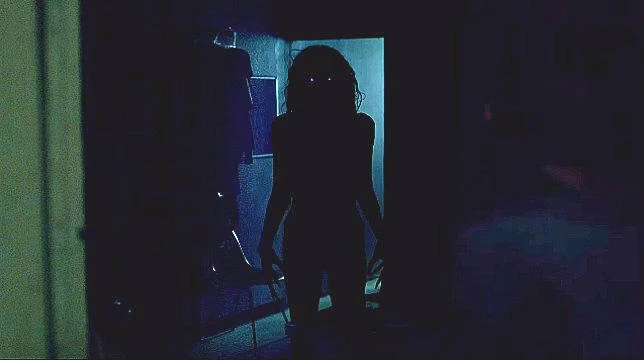
Lights Out (2016)
Sometimes I don't need horror to reinvent the genre. Sometimes I want a movie to figure out exactly what scares me and exploit it for 80 minutes.
Lights Out does that exceptionally well.
Its monster can only exist in darkness, which means the entire movie is built around one of the most primal fears humans have: what is in the dark that I can't see?
The premise creates an almost endless supply of opportunities for visual scares. Lights flicker. Hallways become threatening. Turning off a lamp becomes an act of genuine suspense. And yes, there are plenty of jump scares. They're good jump scares.
It takes something almost embarrassingly simple (being afraid of the dark) and constructs an entire horror movie around proving that maybe you were right to be afraid of it.
Watch it if: You want the lights staying on afterward.
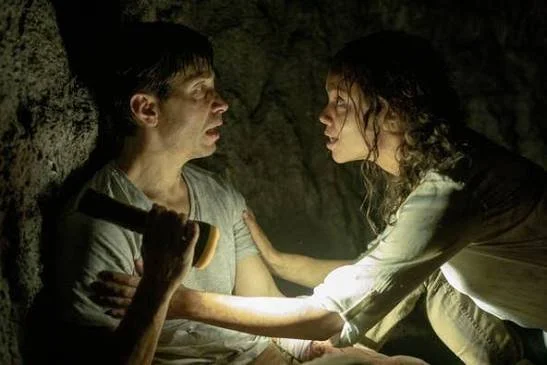
Barbarian (2022)
This recommendation comes with one condition:
Do not look it up.
If you somehow haven't had Barbarian spoiled for you yet, preserve that gift. Don't watch a trailer. Don't read a synopsis beyond the basic premise. A woman arrives at her Airbnb and discovers that a man is already staying there.
That's all you need.
The reason Barbarian belongs on this list is the experience of watching it for the first time and realizing that the movie you thought you were watching is not the movie you're actually watching. Its twist works because it completely destabilizes your expectations.
That also means I don't think it works nearly as well on rewatch. Once you know where it's going, a huge part of the fun disappears. But that first viewing is fantastic.
You only get to watch Barbarian without knowing what happens once. Don't waste it.
Watch it if: You know absolutely nothing about it.
In summary…
None of these movies require being a horror obsessive to appreciate them. That's exactly why they're worth recommending. They sit in that perfect space between obscure and obvious: movies horror fans may know well, but plenty of everyone else simply missed.
If you want pure scares, start with The Autopsy of Jane Doe or Lights Out. If you want something stranger, try The Wailing. If you want to see filmmakers stretch a microscopic budget as far as it can possibly go, watch Host. If you want to feel deeply uncomfortable, make sure you're watching the Danish Speak No Evil. If you want something gothic and melancholy, The Devil's Backbone. If you want a first viewing you can't replicate, go into Barbarian blind.
And if you want Nicolas Cage making choices?
Call some friends. You're going to need them.
