The Man Who Couldn’t Be Loved: Power, Loneliness, and the Illusion of Control in Citizen Kane
When Citizen Kane premiered in 1941, it didn’t just introduce audiences to a new kind of storytelling. It redefined what cinema could be. Directed by and starring Orson Welles, the film has long been regarded as one of the greatest ever made. Citizen Kane dominated the Sight & Sound critics’ poll for 50 years. In 2012, it was finally unseated by Vertigo, marking a major shift in critical consensus, though its influence and reputation have never faded. While no single explanation fully accounts for its reputation, its ambition, innovation, and emotional depth continue to set it apart.
At a technical level, Citizen Kane was groundbreaking. Its use of deep focus cinematography, achieved through wide-angle lenses, allowed both the foreground and background to remain in sharp detail. This created layered compositions where multiple actions unfold at once. Instead of directing the viewer’s attention to a single point, the film invites you to explore the frame. Your eye moves between characters and spaces, mirroring the complexity of Kane himself. This visual style felt new and exciting at the time and still feels intentional today.
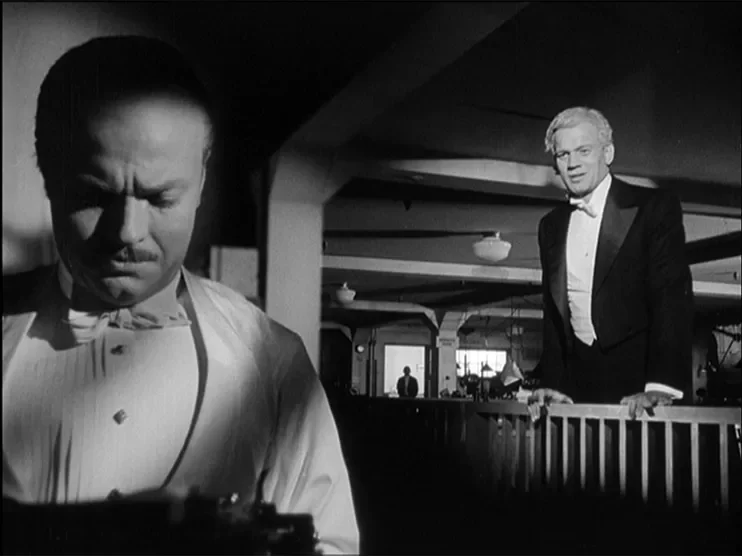
The film’s structure is just as bold. It unfolds through a series of flashbacks, jumping across time as different people attempt to piece together the life of Charles Foster Kane. This fragmented narrative reflects a larger idea that no single perspective can define a person. The mystery of “Rosebud,” introduced in the opening scene as Kane’s dying word, drives the story forward. Yet as the film progresses, it becomes clear that the answer will never be simple.
Kane’s life follows the arc of a classic American success story. He rises from humble beginnings to become one of the most powerful and influential men in the country. He controls newspapers, shapes public opinion, and becomes a celebrity in his own right. At first, he presents himself as a champion of the people, using his paper to expose corruption and advocate for the public. Over time, that mission begins to shift. His focus turns toward control. He buys influence, acquires talent, and builds an empire not through creation, but through ownership.
Despite his success, Kane is defined by a deep sense of loneliness. This feeling is present from the very beginning. His estate, Xanadu, appears vast and empty, almost like a ruin rather than a home. Even when filled with objects, it lacks life. Kane collects statues and treasures from around the world, yet these items only emphasize what is missing. He surrounds himself with things instead of people.
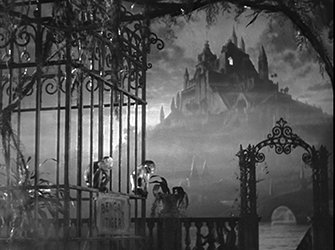
His relationships reveal the same pattern. Kane seeks love, but he does not know how to give it. He wants admiration without vulnerability. He wants to be loved for who he is, yet he builds a life that makes genuine connection nearly impossible. His first marriage slowly deteriorates, shown through increasing physical and emotional distance. His second marriage becomes even more strained. He pushes Susan into a singing career she does not want, not out of care for her, but out of a need to prove something to himself and to others.
Throughout the film, Kane is often placed in the background of scenes or framed through windows and reflections. This visual choice reinforces his isolation. Even in moments where he holds power, he feels distant. He observes more than he connects. As one character suggests, Kane never truly gives anything. He expects loyalty and love, but he treats them as things that can be bought.
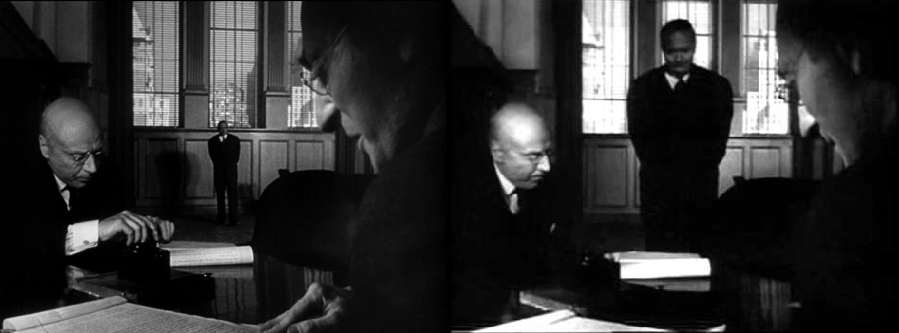
Kane himself seems aware of this contradiction. His remark that he might have been a great man if he had not been so rich reveals a moment of honesty. Wealth has given him power, but it has also separated him from the very things he desires. He wants to be seen as a man of the people, yet he cannot escape the distance his status creates.
“Rosebud” becomes the emotional center of the film. While many characters try to interpret its meaning, they fail to understand its significance. In the final scene, the audience learns that Rosebud was the name of Kane’s childhood sled. It represents a moment before everything changed, before he was taken from his home and placed into a life of wealth and expectation. It is a symbol of something lost rather than something gained.
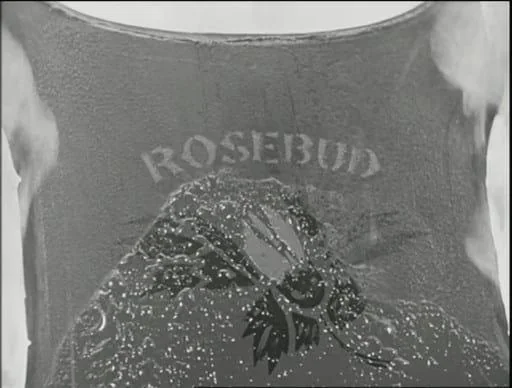
This revelation does not fully explain Kane, and that is the point. A single word cannot define a life. Instead, Rosebud highlights the gap between who Kane was and who he became. It suggests that his lifelong pursuit of success may have been an attempt to recover something he could never return to.
In the end, Citizen Kane is a reflection on the limits of the American Dream. Kane achieves wealth, fame, and influence, yet he remains deeply unfulfilled. His life raises a difficult question. What does success mean if it comes without connection or understanding? The film does not offer a simple answer, but it leaves a lasting impression.
That is why Citizen Kane continues to resonate. Its innovations shaped the future of filmmaking, but its exploration of loneliness, ambition, and identity gives it lasting power. Kane’s story is not just about one man. It is about the cost of trying to have everything while losing the ability to truly feel anything at all.
