Project Hail Mary
2026, Phil Lord & Christopher Miller
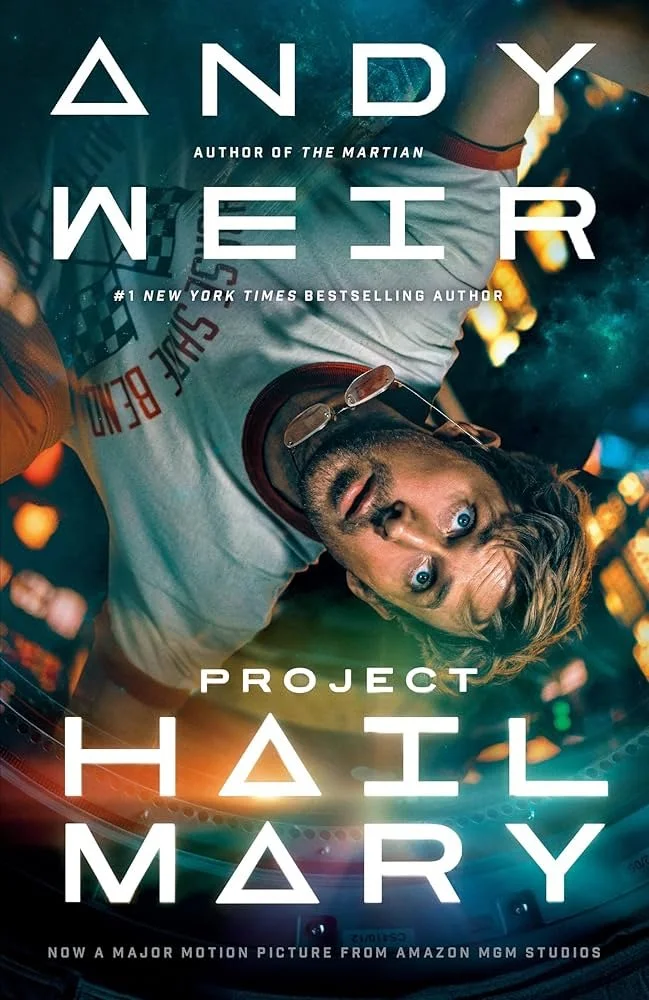
“ Can a blockbuster be both technically rigorous and universally accessible?”
Rating: 5 out of 5
How it sticks: Haunts – a refreshing change of pace in extraterrestrial portrayal with stunning visuals
First Look
Based on Project Hail Mary, the film follows a lone astronaut tasked with solving an extinction-level astrophysical crisis, reconstructing both the science and his own role through fragmented memories. A fan favorite, and it’s easy to see why. The film blends large-scale spectacle with a surprisingly intimate character focus, anchored by Ryan Gosling’s performance, which carries both the emotional and narrative weight. It feels immersive without being overwhelming, striking a balance between technical density and broad accessibility. The experience is energizing but also reflective. It leaves you wanting to talk through the ideas while still sitting with the feeling of it.
On how it’s made
Camera framing
The film uses visual symmetry between timelines in a way that feels intentional rather than flashy. Camera angles and compositions in the present are mirrored in the past, creating a visual continuity that helps the audience track complex narrative shifts. Space sequences are rendered with clarity and scale, emphasizing both isolation and wonder without losing spatial coherence.
Pacing
The back-and-forth structure is one of the film’s strongest choices. Memory is used as a functional storytelling device, revealing information at a controlled pace while maintaining tension. The transitions are smooth and often motivated by visual parallels, which keeps the audience engaged instead of disoriented.
Performances
Gosling’s performance is central to the film’s success. His charisma, comedic timing, and emotional range make a highly technical narrative feel grounded and human. The film depends on his ability to make exposition feel natural, and he consistently delivers. It’s difficult to imagine another actor sustaining this balance of humor, vulnerability, and intellectual curiosity.
Theory moment
What is the movie quietly obsessed with?
The film is deeply invested in the idea that curiosity and cooperation are more powerful than fear. It reframes the unknown, particularly extraterrestrial life, not as something to conquer or fear, but as something to understand and work alongside. In doing so, it challenges the typical portrayal of aliens as either threats or mirrors of humanity, instead presenting them as equally complex and capable.
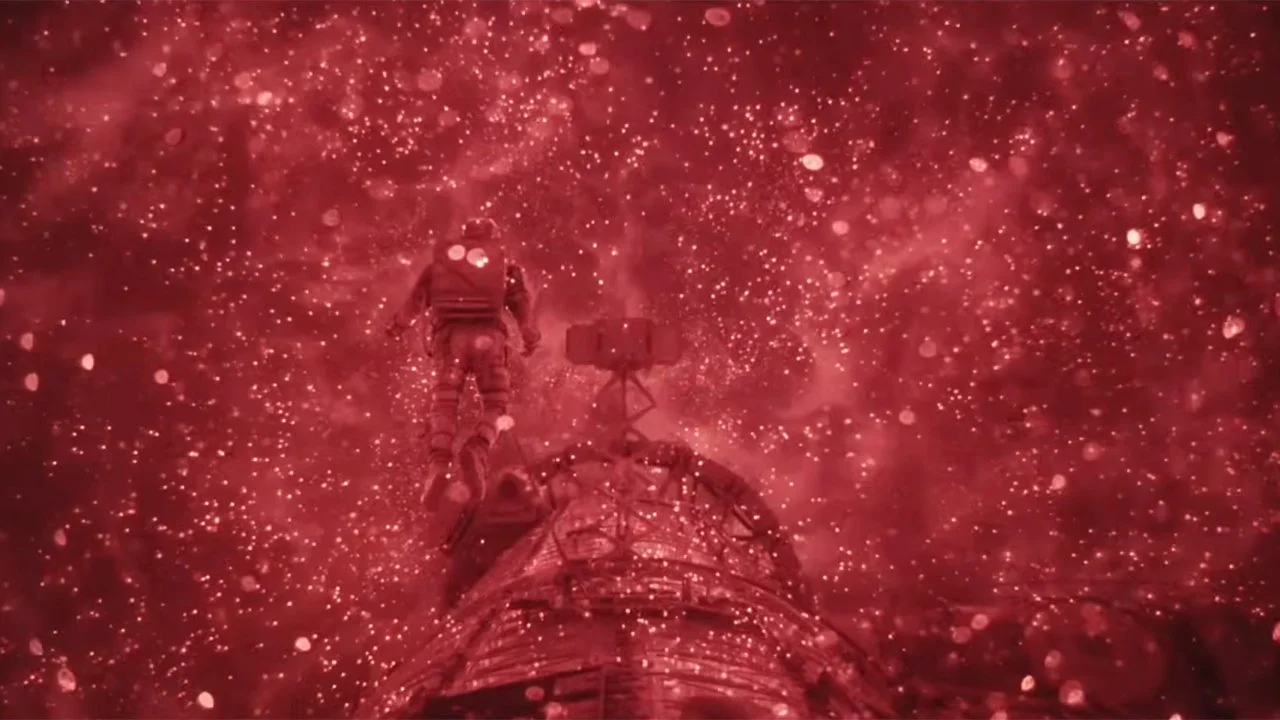
One Moment I can’t stop thinking about:
The sequence where astrophage organisms are captured using infrared light near Tau Ceti e, turning the sky into a field of glowing red light, almost like fireflies suspended in space.
Why it matters
Emotionally — The film allows the moment to breathe. Instead of rushing forward, it lingers, letting the audience fully absorb the beauty and scale of the discovery. It creates a sense of shared wonder between the character and the viewer.
Structurally — This scene translates dense scientific concepts into something visual and intuitive. It’s a payoff that validates the film’s commitment to its technical foundation.
Thematically — It reinforces the idea that discovery is not just functional but experiential. The unknown is not reduced to a problem to solve. It is something to witness and appreciate.
Rewatch value: Demands rewatch. The film’s layered approach rewards repeated viewings—each watch reveals new details in the science, framing, and character moments. Subtle visual cues, timeline connections, and scientific explanations are easier to spot on a second viewing, while Gosling’s performance continues to reveal emotional nuance. The balance of spectacle and intimacy ensures that the film remains engaging no matter how many times you revisit it, and the complexity of the problem-solving sequences makes each rewatch intellectually satisfying as well as visually thrilling.
Key takeaway:
This is a rare example of a mainstream film that successfully bridges technical science fiction with broad, crowd-pleasing storytelling. It’s for everyone, offering just enough depth for genre enthusiasts while remaining engaging and approachable for a general audience.
