2026, Travis Knight
“An enchanting, larger-than-life adventure that reminds us why stop-motion animation is an art form worth preserving”
Rating: 4.5 out of 5
How it sticks: Lingers
First Look
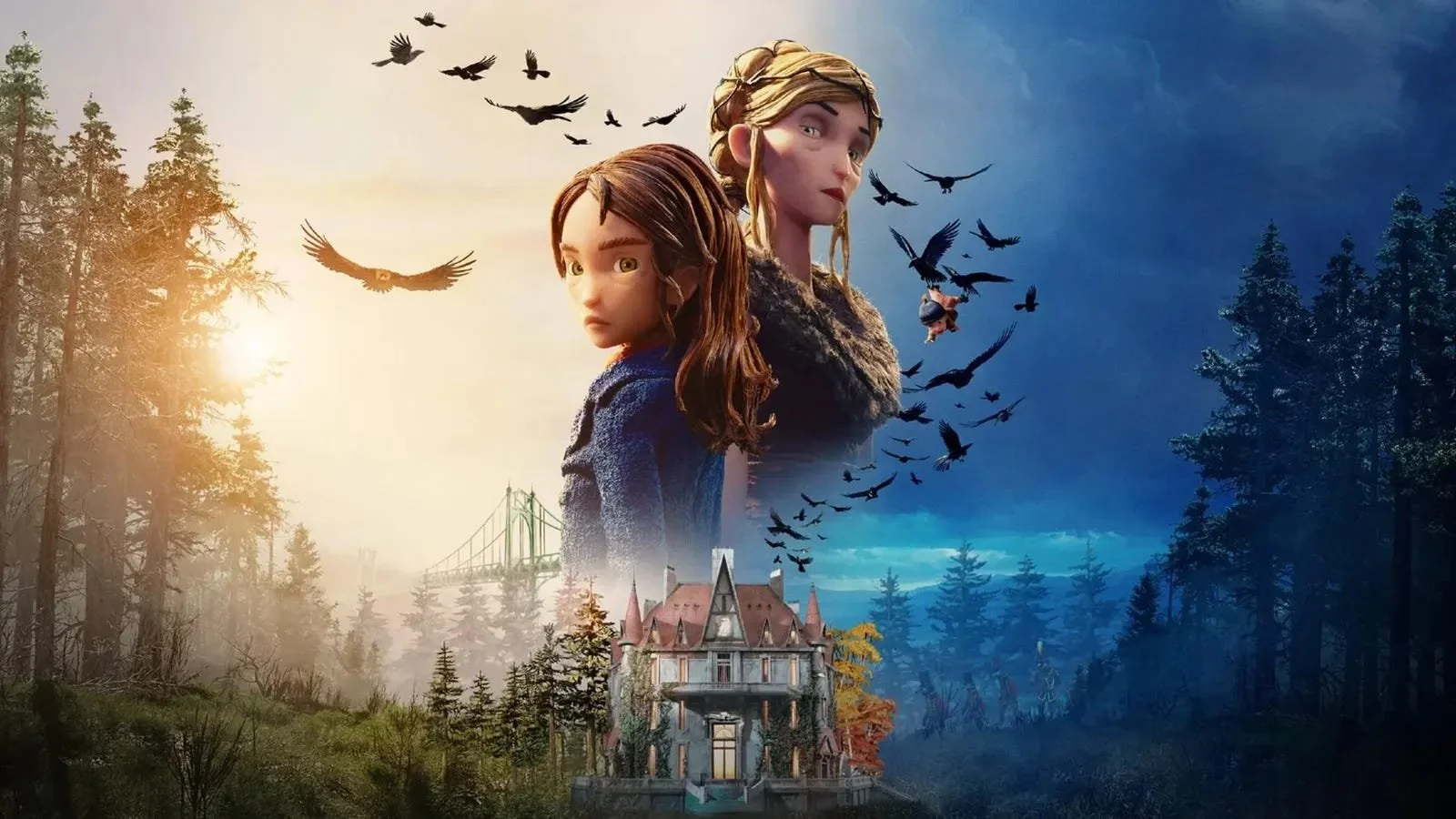
There is something magical about stop-motion animation that even the most sophisticated computer-generated imagery struggles to replicate. Every character, every environment, and every tiny movement represents an extraordinary amount of human craftsmanship. You can practically feel the hands of the artists behind the screen, and Wildwood is a magnificent reminder of why this art form deserves to be celebrated.
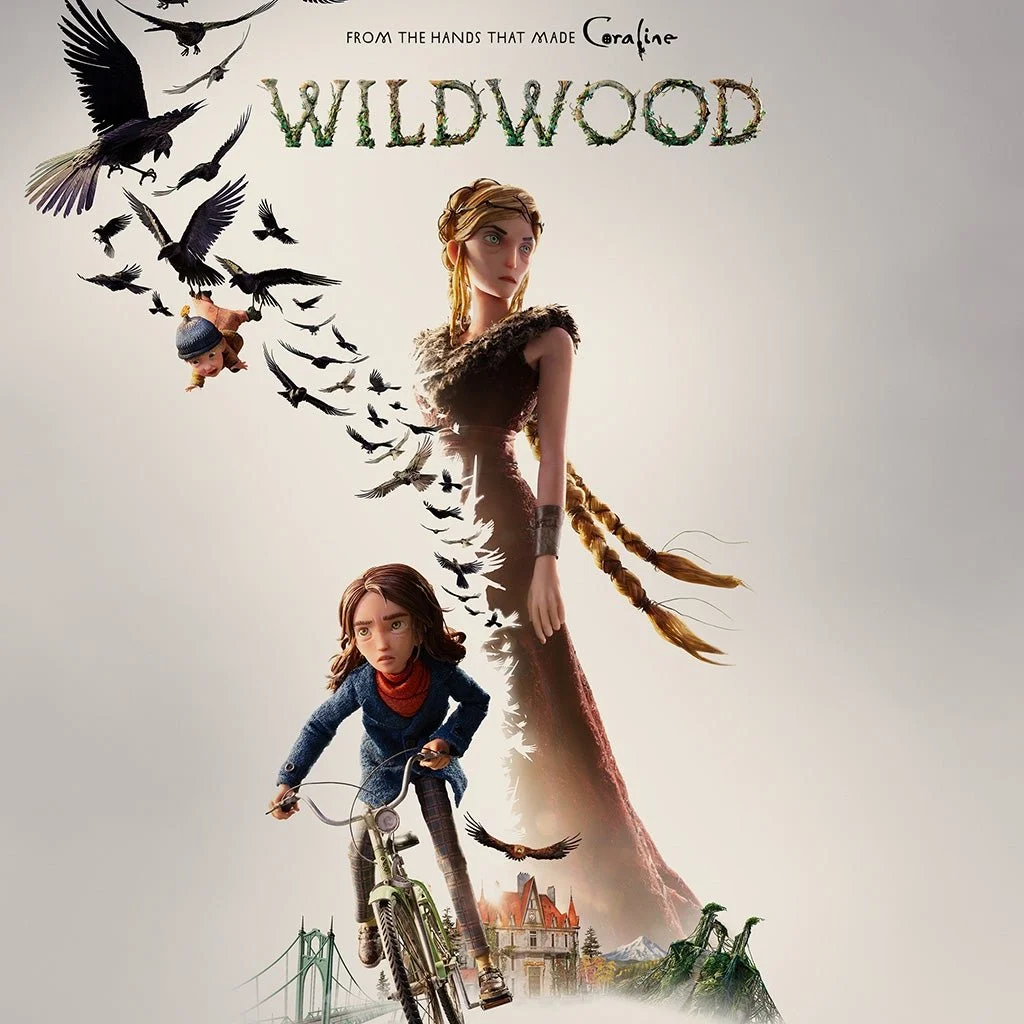
From LAIKA, the studio behind Coraline, ParaNorman, and Kubo and the Two Strings, Wildwood is an ambitious fantasy adventure that feels enormous in both its physical scale and emotional imagination. Its world is strange, beautiful, occasionally frightening, and overflowing with the kind of intricate detail that makes you want to pause the movie just to appreciate what's on screen. Fans of Coraline will find plenty to love here, although Wildwood trades some of that film's intimate eeriness for a much grander, more expansive adventure.
The story moves quickly, with the central abduction occurring within roughly the first twenty minutes. Ordinarily, I might criticize a film for rushing into its central conflict, but here the urgency feels justified. There's simply so much world to explore and so much story to tell that the film needs to get moving almost immediately. Once it does, the adventure unfolds with a wonderful sense of discovery, gradually revealing a magical world that feels as emotionally compelling as it is visually spectacular.
What surprised me most was just how completely the film drew me in. Beneath the elaborate fantasy and extraordinary animation is a genuinely affecting story, brought to life by a terrific voice cast and a filmmaking team operating at an astonishing level of artistic ambition.
On how it's made
Stop-Motion Animation: The Beauty of Something Handmade
The animation is, without question, Wildwood's greatest achievement. Stop-motion is an extraordinarily demanding art form, requiring artists to manipulate physical puppets and environments one frame at a time. Every movement, facial expression, and seemingly insignificant detail represents hours of work that most audiences will never fully comprehend.
And Wildwood takes that craftsmanship to an entirely different level.
The film reportedly required more than five years of animation and visual effects production, with hundreds of handcrafted puppets, elaborate miniature environments, and more than 140,000 replacement faces used to create the characters' expressions. LAIKA's artists constructed entire forests, intricate costumes, and environments filled with details that might appear on screen for only a few seconds.
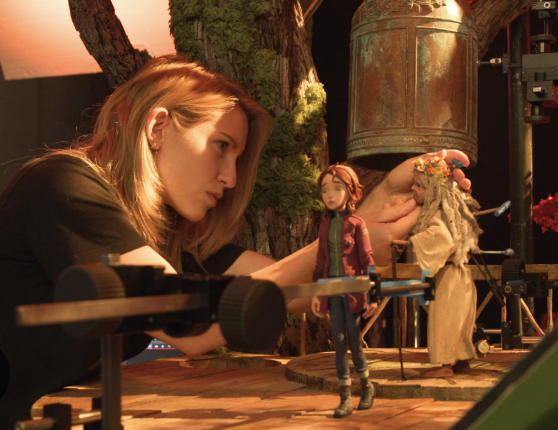
What's remarkable is how tangible everything feels. The texture of a character's clothing, the individual leaves of a tree, the subtle imperfections in a puppet's face: these aren't distractions from the fantasy. They're precisely what makes it believable.
Director Travis Knight has spent more than a decade trying to bring Wildwood to the screen, waiting until LAIKA had developed the technical capabilities necessary to realize its enormous scope. That patience is evident in practically every frame.
In an era when computer animation dominates the industry and artificial intelligence raises questions about the future of artistic production, Wildwood feels like a celebration of human craftsmanship. The film doesn't simply look beautiful. It invites us to appreciate the extraordinary labor required to make something beautiful.
Voice Acting: Giving Life to the Inanimate
One of the challenges of stop-motion animation is creating emotionally convincing characters from objects that are, quite literally, inanimate. The animators provide movement and expression, but the voice actors must supply the personality that brings those carefully constructed figures to life.
Fortunately, Wildwood has assembled a terrific cast.
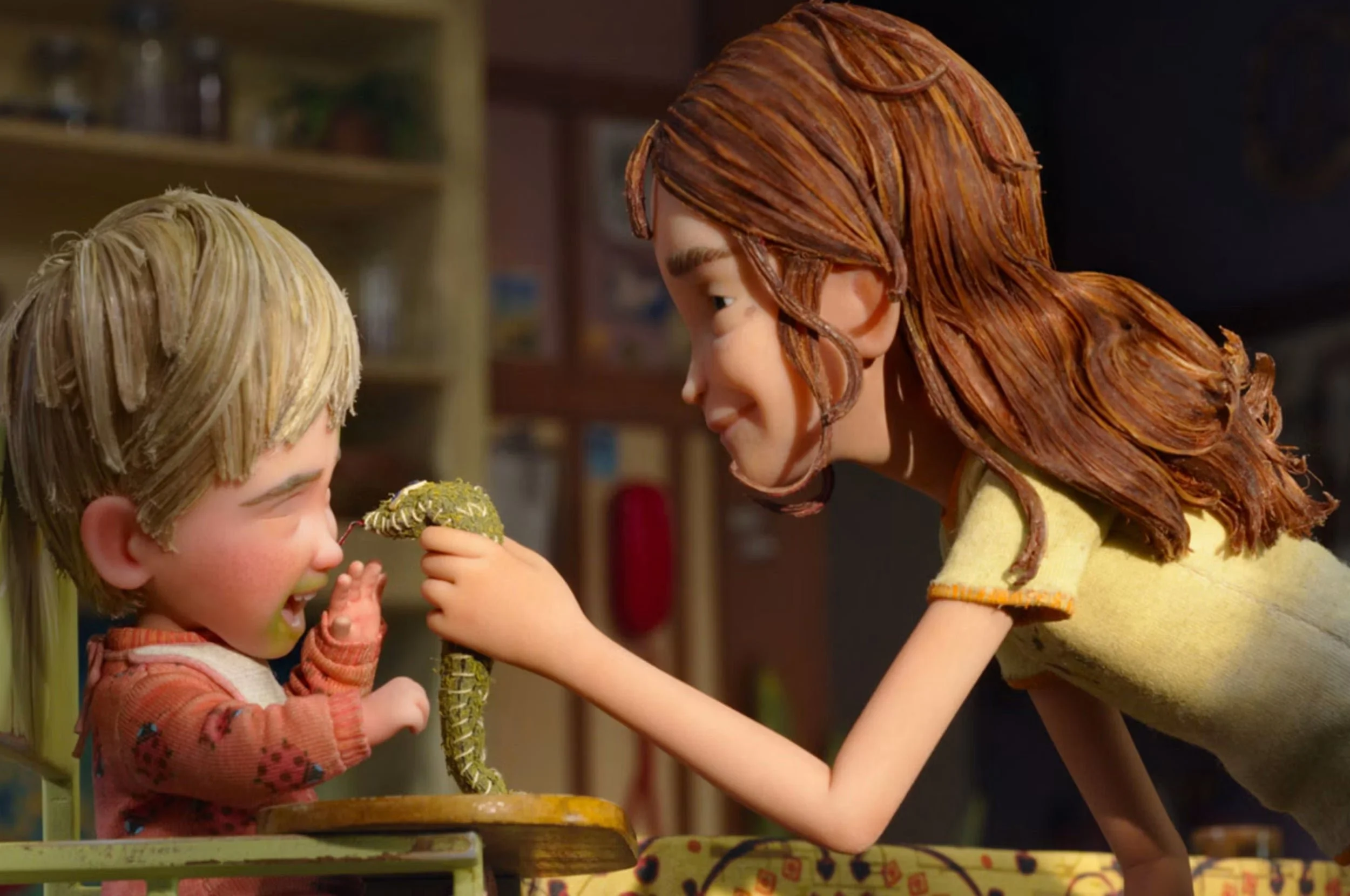
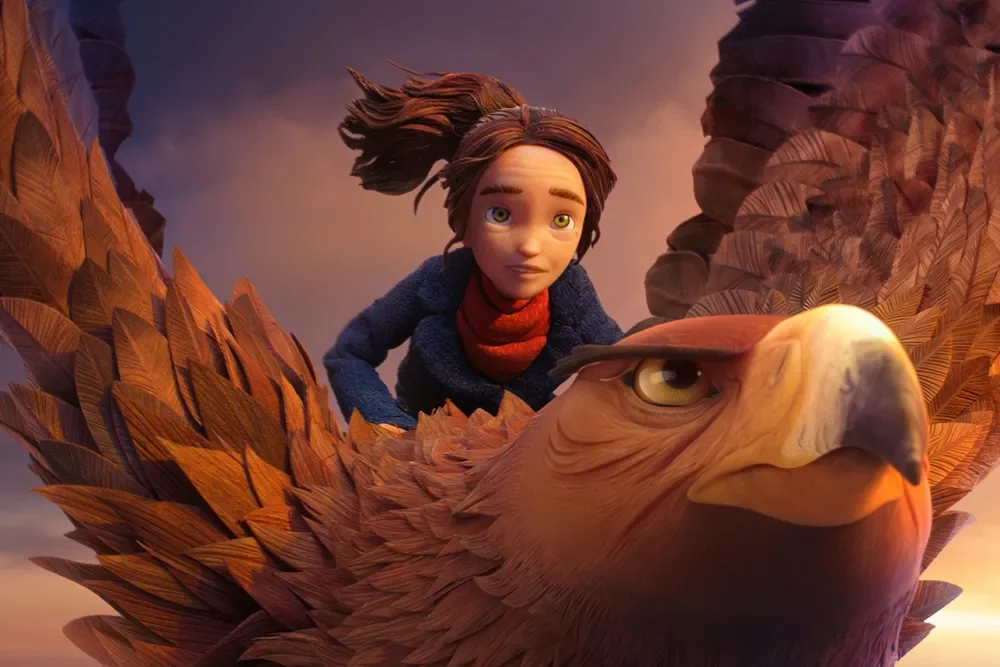
Peyton Elizabeth Lee anchors the film as Prue, bringing determination and vulnerability to a young protagonist navigating an increasingly dangerous world. Jacob Tremblay is equally well cast as Curtis, providing a wonderfully complementary energy to their adventure. The supporting ensemble, including Carey Mulligan, Mahershala Ali, Angela Bassett, and Richard E. Grant, gives the magical world a remarkable range of personalities.
What I particularly appreciated was how naturally the voices seemed to belong to their characters. Nobody felt miscast, and even the more exaggerated performances fit comfortably within the film's fantastical atmosphere.
Interestingly, the voice performances helped inform the animation itself. Lee and Tremblay have discussed how LAIKA encouraged their performances to shape the eventual movement and emotional expressions of their characters. Rather than simply matching dialogue to finished animation, the filmmakers allowed the actors to contribute to the characters' physical identities.
It's a wonderful example of the collaboration that makes stop-motion such a distinctive filmmaking process.
Worldbuilding: An Entire Universe Hidden in the Woods
Perhaps the most impressive thing about Wildwood, beyond its technical accomplishments, is the sheer scale of its imagination.
The film is adapted from the 2011 fantasy novel by Colin Meloy, the frontman of The Decemberists, with illustrations by Carson Ellis. That literary foundation helps explain the richness of its mythology. This isn't a fantasy world invented solely to support a two-hour adventure; it has the density and complexity of a place that seems to exist beyond the boundaries of the film.
The Impassable Wilderness is populated by competing factions, talking animals, elaborate political structures, and magical forces that make the environment feel genuinely alive. Its forests and settlements are fantastical without ever losing the physical texture of the Pacific Northwest landscape that inspired them.
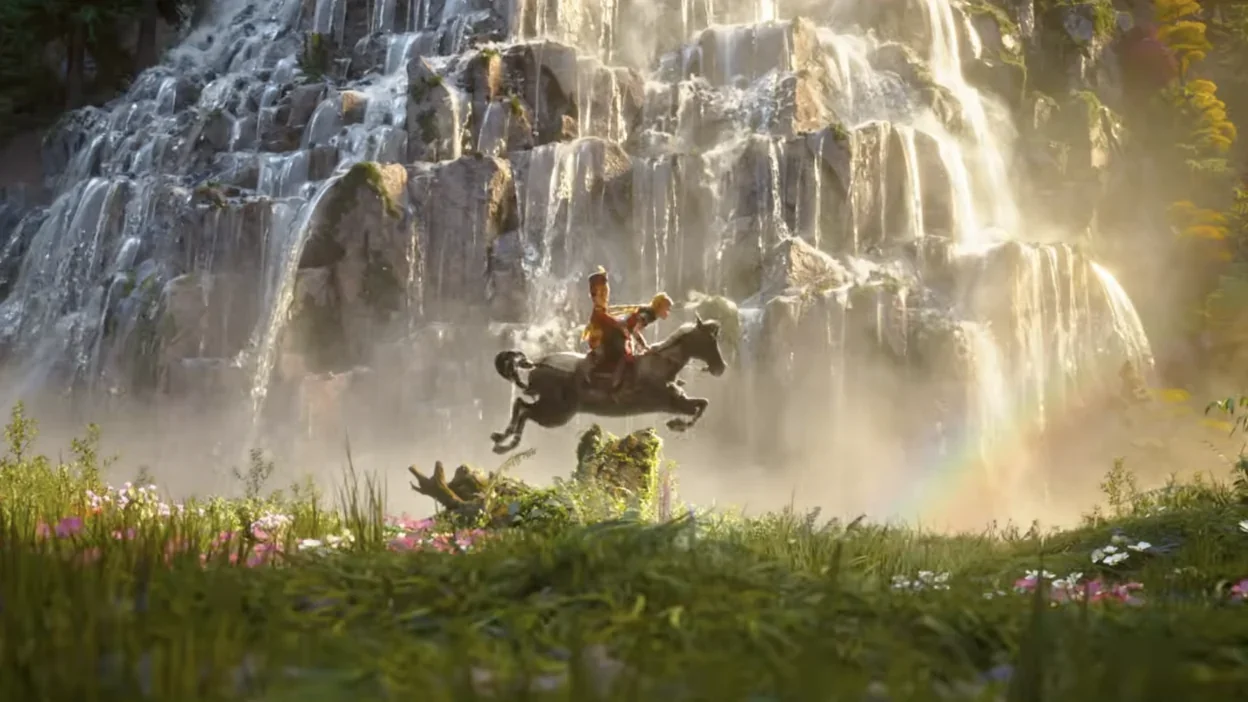
At approximately 132 minutes, Wildwood is also an unusually long stop-motion feature. But unlike many lengthy animated films, its runtime feels justified by the enormous amount of storytelling and worldbuilding it attempts.
I was initially surprised by how quickly the film launches into its central conflict. Prue's younger brother is abducted early, leaving relatively little time for the kind of extended introduction audiences might expect. But as the story progresses, that decision makes increasingly more sense. The filmmakers have an enormous amount of narrative ground to cover, and delaying the adventure would have meant sacrificing time in the extraordinary world they've created.
The PG-13 rating also caught me off guard. I went in expecting something closer to the family-oriented darkness of Coraline, so the first swear word was genuinely surprising. But the film's willingness to embrace more mature material ultimately feels appropriate for a story of this scale. Its darker elements give the adventure genuine stakes without sacrificing its sense of wonder.
Theory Moment
What makes stop-motion animation so fascinating is the strange relationship it creates between reality and fantasy.
Computer animation can construct virtually anything imaginable, but stop-motion begins with something that actually exists. Every puppet occupies physical space. Every costume has texture. Every set interacts with real light. Even when the story involves impossible creatures and magical environments, the images originate from tangible objects.
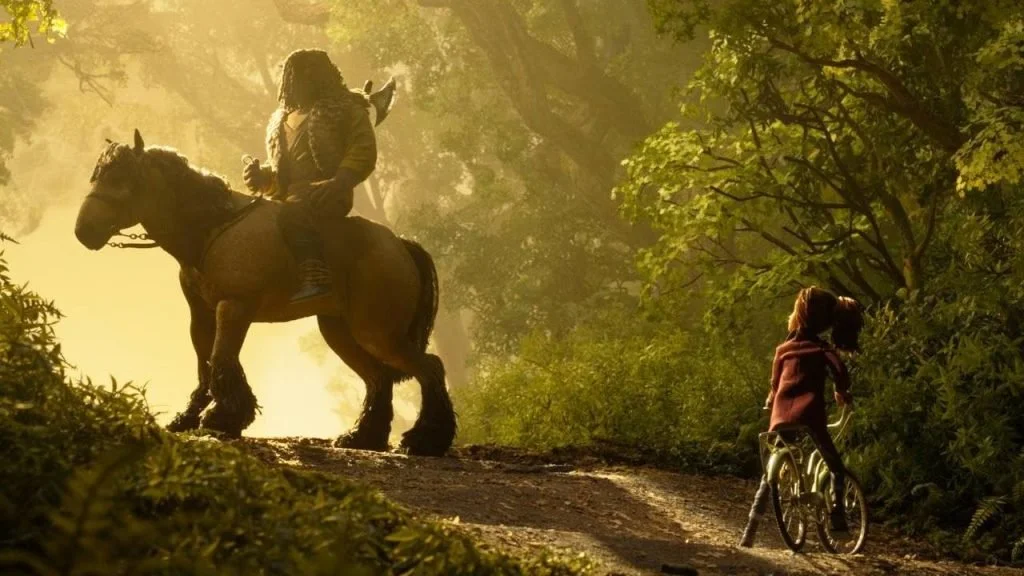
This gives stop-motion a unique kind of visual credibility. We know the characters aren't alive, yet we can see that the objects themselves are real. The magic comes from the filmmaker's ability to transform those objects into something that appears to possess independent life.
Wildwood understands this relationship beautifully.
Its fantastical environments feel convincing not because they imitate reality perfectly, but because their imperfections remind us that they were made by human hands. The physical textures become part of the storytelling, inviting us to believe that this impossible world might somehow exist just beyond the edges of our own.
There's also something thematically appropriate about using such a labor-intensive medium to tell a story about devotion, sacrifice, and the extraordinary things people are willing to do for those they love.
The film's central adventure is motivated by Prue's determination to rescue her brother. That emotional commitment is mirrored, in a sense, by the extraordinary commitment of the artists who spent years bringing her journey to life.
The result is a film where the medium and the message feel inseparable. Wildwood is about the seemingly impossible things that love can accomplish, and its very existence is evidence of what extraordinary dedication can produce.
One Moment I Can't Stop Thinking About
The final battle.
I knew stop-motion animation was difficult. I knew LAIKA was capable of extraordinary technical achievements. But watching the enormous climactic battle unfold, I genuinely couldn't stop thinking about how much work must have gone into creating it.
The sequence is breathtaking.
Hundreds of characters appear to move simultaneously across an enormous battlefield, with competing armies, elaborate choreography, and a scale of action that would be ambitious even for a conventional live-action production. But here, every movement has to be created frame by frame.
And the behind-the-scenes details make it even more astonishing.
The battle reportedly required more than 400 individual shots and involved approximately 3,000 characters. The production team divided the battlefield into five separate sections because the complete environment was too large to fit inside the studio. Artists had to carefully track the placement of characters, weapons, damage, and environmental details to maintain continuity throughout the sequence.
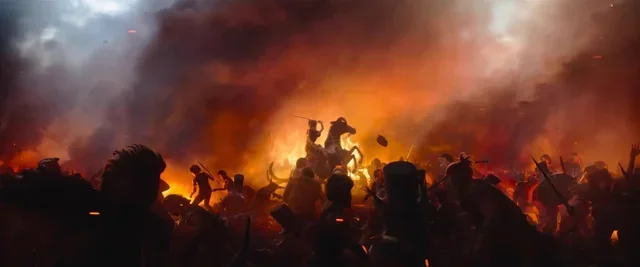
It is an almost incomprehensible amount of work for roughly twelve minutes of screen time.
But beyond the technical achievement, the battle is genuinely thrilling. The choreography is dynamic, the stakes feel enormous, and the scale of the confrontation provides a satisfying payoff to the film's expansive worldbuilding.
It's one of those rare sequences where I found myself equally invested in what was happening on screen and marveling at how the filmmakers managed to accomplish it.
Why It Matters
The final battle encapsulates everything I love about Wildwood. It's ambitious, emotionally engaging, technically extraordinary, and completely committed to the possibilities of its medium.
More importantly, it demonstrates that stop-motion animation doesn't have to remain confined to relatively small stories or intimate environments. LAIKA has created something that feels comparable in scale to the great fantasy epics of live-action cinema while retaining the distinctive charm and physicality of handcrafted animation.
That's an extraordinary achievement.
And it's why I think Wildwood deserves to be seen by audiences beyond the traditional animation demographic. This isn't simply a children's movie, nor is it merely an impressive technical exercise. It's a fully realized fantasy adventure that happens to use one of cinema's most demanding artistic techniques.
The emotional storytelling, remarkable voice performances, and extraordinary attention to detail elevate the film beyond its already impressive visual accomplishments.
I hope audiences recognize what an achievement this is, because films of this scale and craftsmanship are becoming increasingly rare.
Rewatch Value: Better on Rewatch — In fact, I suspect Wildwood might be even more impressive the second time around. The first viewing demands considerable attention simply to follow the story. There are characters to remember, factions to understand, and an enormous fantasy world to navigate. As much as I appreciated the animation, I know there were countless details I missed while trying to keep up with the narrative. A second viewing would allow me to focus more deliberately on the craftsmanship: the intricate backgrounds, character movements, miniature environments, and all those tiny artistic decisions that make the world feel alive.
And I would happily watch that final battle again.
Key Takeaway
Wildwood is a magnificent celebration of stop-motion animation, combining an emotionally engaging fantasy adventure with some of the most ambitious handcrafted filmmaking ever put on screen. Its expansive mythology, perfectly matched voice cast, and extraordinary climactic battle make it a remarkable achievement for LAIKA and a worthy successor to Coraline.
If you love animation, fantasy, or simply the artistry of filmmaking, this is one worth experiencing on the biggest screen possible.
Sometimes the most magical thing about a movie isn't the world it creates, but the extraordinary amount of human imagination required to bring that world to life.