Chaos, Camp, and the Internet Brain: Rewatching Fred: The Movie
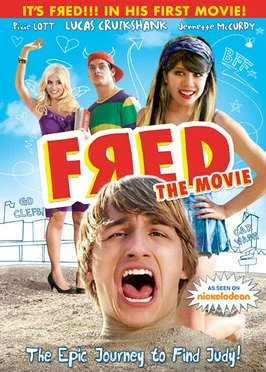
There are plenty of children’s movies from the late 2000s that technically function better than Fred: The Movie. And yet, most of them are completely forgotten.
Meanwhile, Fred continues to survive online through clips, quotes, memes, reaction images, and the lingering cultural memory of absolute chaos. People still reference the party scene. People still imitate Fred’s scream. People still remember John Cena slamming Fred onto the coffee table. That kind of cultural afterlife does not happen accidentally.
Whatever it is, the way you tell your story online can make all the difference.
I genuinely think Fred: The Movie was ahead of its time.
Not because it predicted internet humor aesthetically, but because it fundamentally understood the rhythm of internet comedy before Hollywood did. The movie feels less like a traditional Nickelodeon film and more like somebody accidentally stretched a YouTube channel into feature length while preserving all of its hyperactive editing, surreal cutaways, random fantasy sequences, and scream-based pacing.
And somehow, it works.
The easiest way to dismiss Fred is to call it “annoying,” which is what most adults did when the character first exploded online. But I think annoyance is actually part of the film’s formal design. Fred weaponizes overstimulation intentionally. The editing style constantly interrupts itself with fantasies, zooms, sound effects, smash cuts, random inserts, and exaggerated reactions. The movie moves at the speed of a kid clicking through internet videos at 2 a.m.
Watching it now feels strangely modern.
A lot of contemporary internet humor functions exactly the same way. TikTok editing, reaction memes, random visual interruptions, ironic overacting, and surreal non-sequiturs all operate on comedic escalation through overload. Fred was already doing this in 2010. That is why the random montage and fantasy sequences matter so much.
The movie constantly rejects realism in favor of emotional exaggeration. Fred does not simply imagine scenarios in his head. The film fully commits to them visually and structurally. When Fred repeatedly slams into the wall trying to reach Judy’s house and convinces himself he dug a hole to China, the joke works because the movie treats his delusion with complete sincerity. It never pauses to ground itself in realism.
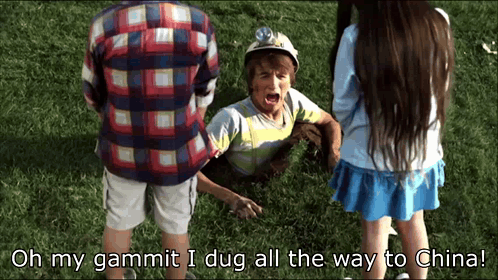
The film commits to Fred’s emotional perspective entirely. That commitment is what transforms the movie from merely loud into something closer to early internet camp.
Great camp requires sincerity. Fred never feels embarrassed by itself. The movie genuinely believes Fred’s emotions deserve epic cinematic treatment even when the situations are absurd. Every crush feels life-ending. Every insult feels catastrophic. Every victory feels heroic.
The randomness becomes emotional logic.
One of the funniest sequences in the movie is the beach cutaway involving Kevin and Judy because it demonstrates how aggressively the film understands comedic timing through editing. Kevin goes down the waterslide in the far background, then almost immediately pops up in the foreground holding Judy before the movie smash cuts into Fred screaming in a zoom shot. The joke barely follows physical logic, but the speed of escalation makes it hilarious.
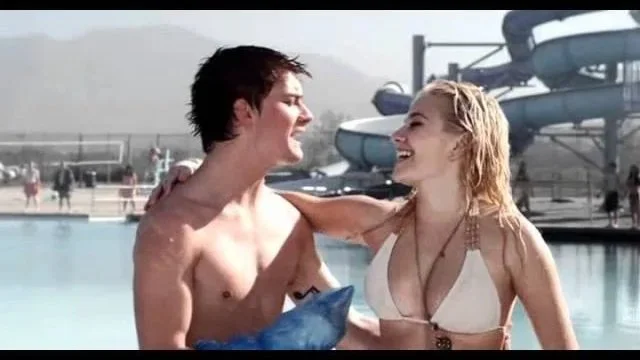
The editing creates the punchline.
That rhythm is incredibly internet-coded. The humor comes less from setup/payoff structure and more from abrupt visual escalation. The movie trusts viewers to process chaos instinctively.
Honestly, I think many modern audiences are more prepared for Fred now than audiences were when it originally released.
The movie also becomes surprisingly interesting emotionally when you focus on the John Cena sequences. As a kid, those scenes mostly just felt random and funny. Rewatching them now, they are weirdly sweet. Fred imagines his absent father figure as this impossibly muscular, hyper-masculine action hero who constantly encourages him and reassures him. John Cena’s character is not just comic relief. He represents Fred’s fantasy of safety, confidence, and unconditional support.
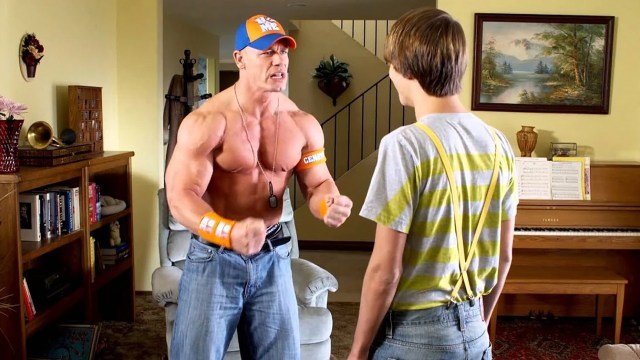
That emotional core matters because it explains why the movie never fully collapses into irony.
Underneath all the screaming and absurdity is a genuinely lonely kid trying to invent confidence for himself. Fred’s hyperactivity starts feeling less like pure annoyance and more like emotional compensation. The movie quietly suggests that Fred performs chaos because he desperately wants attention, affirmation, and connection.
That is why the woods sequence works so well too.
The movie suddenly shifts from suburban hyperactivity into something strangely isolated and surreal. Fred wandering through the woods feels almost dreamlike, as though the movie temporarily enters the logic of childhood imagination completely. The tonal instability actually helps the film because childhood itself often feels tonally unstable. Emotions escalate irrationally. Minor problems become apocalyptic. Fantasy constantly bleeds into reality.
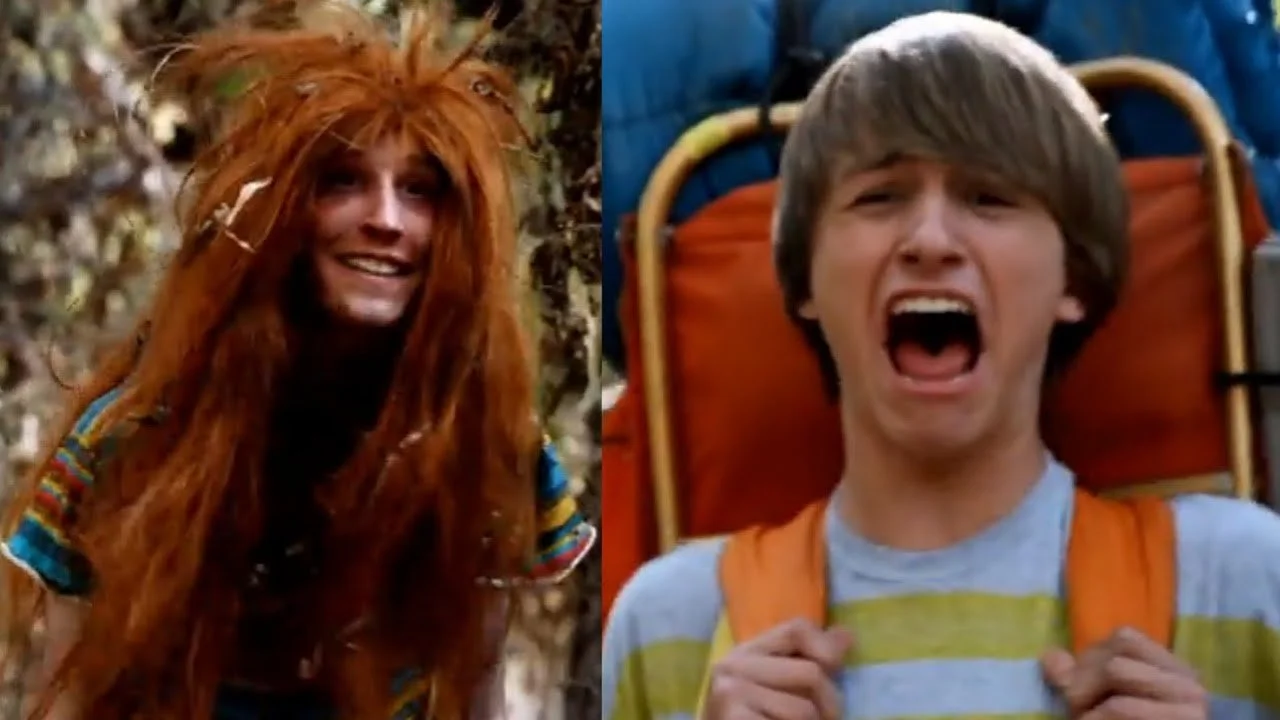
Fred captures that emotional chaos better than many polished children’s films do. And honestly, I would rather watch a movie make insane stylistic choices than safely flatten itself into generic family entertainment. So many kids movies from that era are technically competent but aesthetically anonymous. Fred feels handmade. Every editing decision, scream, cutaway, and reaction shot has personality behind it.
You remember the movie because it commits.
That commitment is why people still laugh at scenes like Little Evan Weiss suddenly appearing in the woods or Kevin beatboxing in the driveway. The movie understands that comedy often becomes funnier when pushed slightly too far past comfort.
Modern internet humor operates the same way.
In retrospect, Fred: The Movie feels less like failed children’s entertainment and more like an accidental time capsule of early internet culture. It captured a style of humor that mainstream filmmaking had not fully recognized yet: loud, chaotic, emotionally sincere, aggressively edited, and completely unafraid of looking stupid.
And maybe that is why the movie survives. Not because it is polished – because it has a pulse!
