From Edward Cullen to Everywhere: Robert Pattinson’s Remarkable Second Act
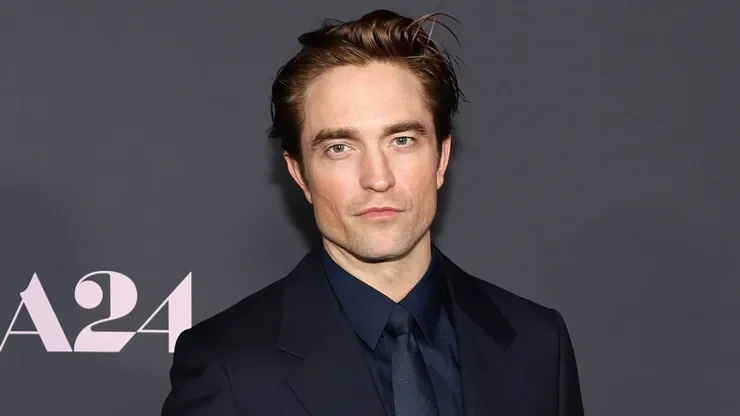
For a generation of moviegoers, Robert Pattinson will always be Edward Cullen. Twilight made him globally famous, but it also threatened to define the limits of his career. The role turned Pattinson into a celebrity before audiences had much opportunity to decide what kind of actor he was.
In the years since, Pattinson has answered that question by becoming almost every kind of actor.
Remember Me, released between Twilight installments, offered an early glimpse of his interest in more emotionally complicated material. The movie itself received a mixed response, particularly for its controversial ending, but Pattinson’s performance showed that he was capable of more than distant staring and supernatural romance. He played grief, anger, and isolation with a sincerity that his public image rarely allowed him to display.
After Twilight, Pattinson could have spent years chasing variations of the same romantic lead. Instead, he began selecting projects that seemed almost designed to dismantle the audience’s image of him.
David Cronenberg’s Cosmopolis and Claire Denis’s High Life pushed him toward colder, stranger, and more experimental territory. In the Safdie brothers’ Good Time, he disappeared into the role of a desperate criminal racing through New York. The performance was nervous, manipulative, and physically restless. It was one of the first times many viewers stopped seeing Edward Cullen entirely.
Then came The Lighthouse.
As Ephraim Winslow, Pattinson had to hold the screen opposite Willem Dafoe while moving between restraint, panic, rage, and complete psychological collapse. The performance is intensely physical and often grotesquely funny. Pattinson does not merely keep up with Dafoe’s theatricality. He matches it, then finds his own form of madness inside it. By the end of the film, any lingering doubts about his range should have disappeared.
Bruce Wayne presented a different challenge. The Batman required Pattinson to return to franchise filmmaking without surrendering the unusual instincts he had developed in independent cinema. His Batman is withdrawn, obsessive, and emotionally stunted. Rather than playing Bruce Wayne as a polished billionaire who becomes a vigilante at night, Pattinson plays both identities as parts of the same damaged person. It is a subdued performance surrounded by blockbuster machinery.
His recent work has continued to move unpredictably between tones and scales. Mickey 17 allowed him to lean into physical comedy and vocal experimentation. Die, My Love placed him inside a much more intimate and emotionally volatile relationship. In The Drama, opposite Zendaya, he brought nervous vulnerability and uncomfortable humor to a romantic black comedy about a couple unraveling shortly before their wedding.
Then there is The Odyssey.
As Antinous, Pattinson delivers a performance so theatrical, strange, and scene-stealing that he occasionally seems to be acting in a different movie from everyone around him. While Matt Damon grounds the film through exhaustion and restraint, Pattinson embraces exaggeration. His choices border on satire, but they are impossible to ignore. Even within Christopher Nolan’s enormous cast and landscapes, Pattinson finds a way to become one of the film’s most memorable elements.
That may be the clearest sign of his range. Pattinson can disappear inside Good Time, unravel in The Lighthouse, brood through The Batman, play romantic discomfort in The Drama, and then arrive in The Odyssey ready to devour the scenery.
His 2026 run is not finished. Primetime, scheduled for September, places him in a crime story inspired by the world of televised predator investigations. In December, he will enter another massive franchise with Denis Villeneuve’s Dune: Part Three. A Netflix heist movie with Denzel Washington, Here Comes the Flood, is also on the horizon, although its release may move into 2027.
Pattinson’s career is no longer interesting simply because he escaped Twilight. That narrative has become too small for what he has accomplished. He did not reject blockbusters in favor of independent films. He used independent films to become a more adventurous actor, then carried that adventurousness back into blockbusters.
Robert Pattinson now seems equally comfortable working with Claire Denis, Robert Eggers, Bong Joon Ho, Matt Reeves, Christopher Nolan, and Denis Villeneuve. He can be the face of a franchise or the strangest person in an already strange movie.
At this point, the question is no longer whether Robert Pattinson can overcome Edward Cullen. He did that years ago. The more interesting question is what kind of performance he will attempt next.
