When Kids’ Movies Are Written for Adults Too
Some of the best children’s movies are written for two audiences at once. Children follow the adventure, laugh at the physical comedy, and connect with the colorful characters. Adults sitting beside them experience a second movie filled with innuendo, cultural references, workplace anxiety, and jokes about relationships, money, and getting older.
This layered humor is one reason movies like Shrek, Toy Story, and Robots remain enjoyable long after childhood.
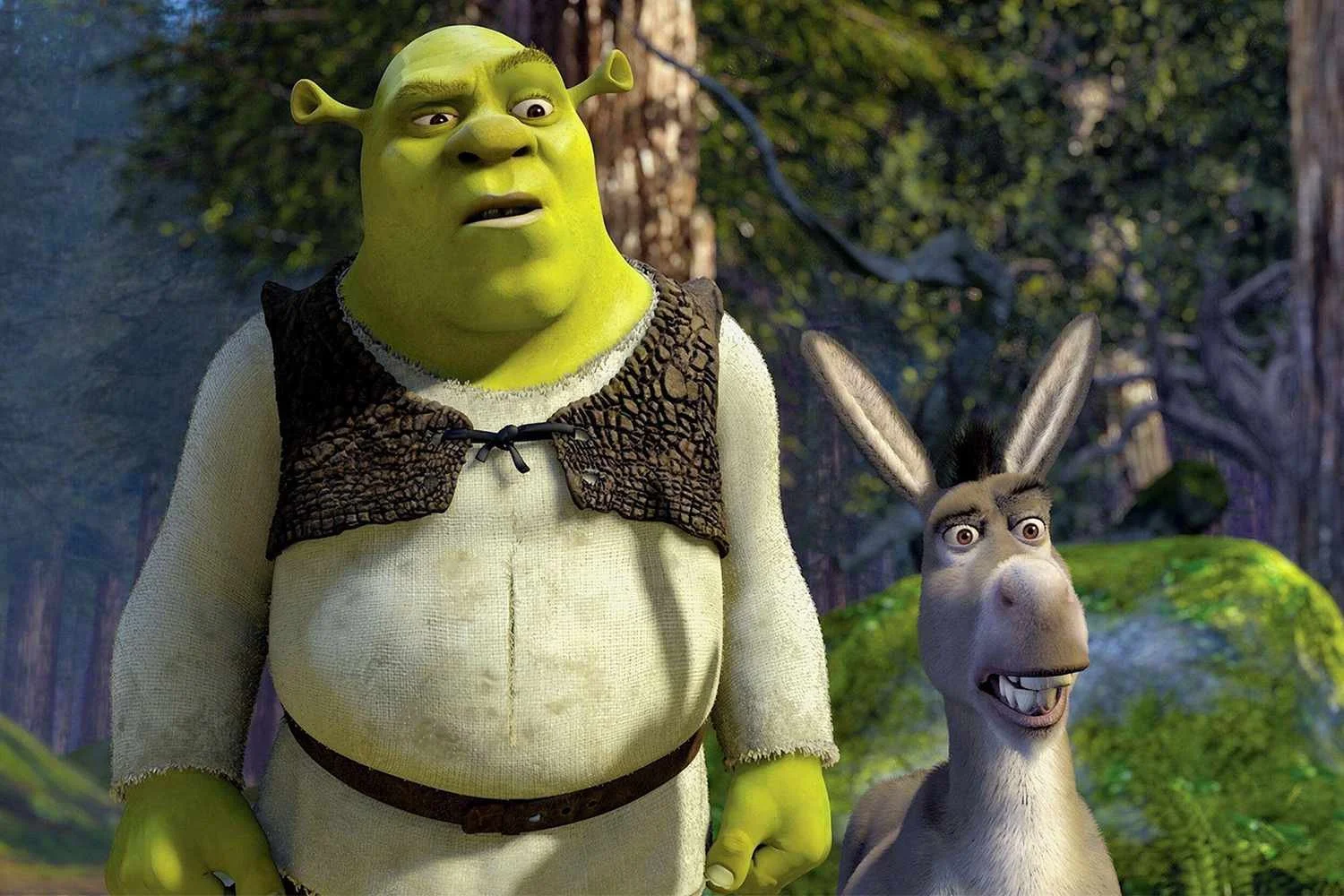
Shrek is perhaps the most obvious example. Children can enjoy Donkey’s constant talking and Shrek’s gross-out humor, while adults recognize jokes about dating, masculinity, corporate entertainment, and Disney itself. Lord Farquaad’s enormous castle and obsessive control over Duloc compensate for something his small stature supposedly cannot. The joke is never explained because it does not need to be. Children see a ridiculous villain. Adults understand the implication.
The movie also parodies the polished artificiality of traditional fairy tales. Duloc resembles a theme park where every surface is clean, every person follows instructions, and anything unpleasant is removed. To a child, it is a funny place filled with singing dolls. To an adult, it is a satire of commercialized happiness.
Pixar tends to use adult humor more quietly. The Toy Story movies contain jokes that children miss, but their most effective adult layer is emotional rather than inappropriate. Woody’s fear of being replaced by Buzz resembles professional jealousy. The toys worry about becoming obsolete, losing their purpose, and being abandoned by someone who once needed them.
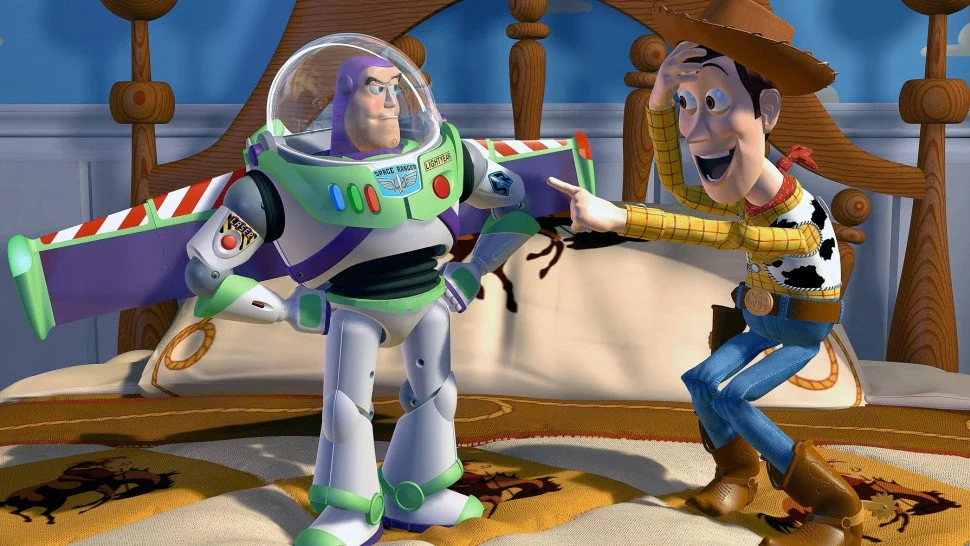
A child sees a story about toys trying to return home. An adult may see a story about parenthood, aging, or watching the world move on without them. The humor works because the characters approach these deeply adult anxieties with the seriousness of toys arguing over who belongs on a child’s bed.
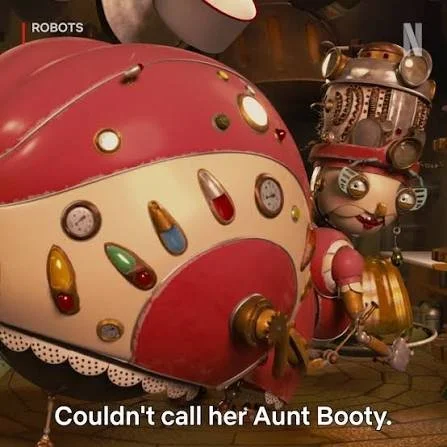
Robots combines both approaches. Its world is filled with visual jokes about bodies, replacement parts, consumerism, and reproduction. Children see mechanical characters exchanging pieces of themselves. Adults recognize the movie’s jokes about pregnancy, puberty, healthcare, class, and planned obsolescence.
The central conflict is also more adult than it initially appears. Robots are pressured to purchase expensive upgrades rather than repair the bodies they already have. Those who cannot afford new parts are treated as disposable. Beneath the slapstick is a surprisingly direct criticism of a society that values people according to what they can buy.
Adult humor in children’s movies works best when it adds another layer without interrupting the story. A joke should pass over a child’s head rather than stop the movie to announce that it is intended for the parents. Children do not feel excluded because the scene remains funny on a visual or narrative level. Years later, they return to the movie and finally understand why their parents were laughing.
This is also why these films age better than movies written exclusively for children. Their humor changes with the viewer. The fart jokes remain, but they are joined by observations about romance, employment, consumerism, and mortality that were invisible the first time.
The best children’s movies understand that adults do not stop needing playfulness, and children do not need every idea simplified for them. A movie can entertain both audiences without becoming two separate stories.
Sometimes the difference is simply that one audience is laughing at the talking donkey, while the other finally understands what Lord Farquaad’s castle was compensating for.
