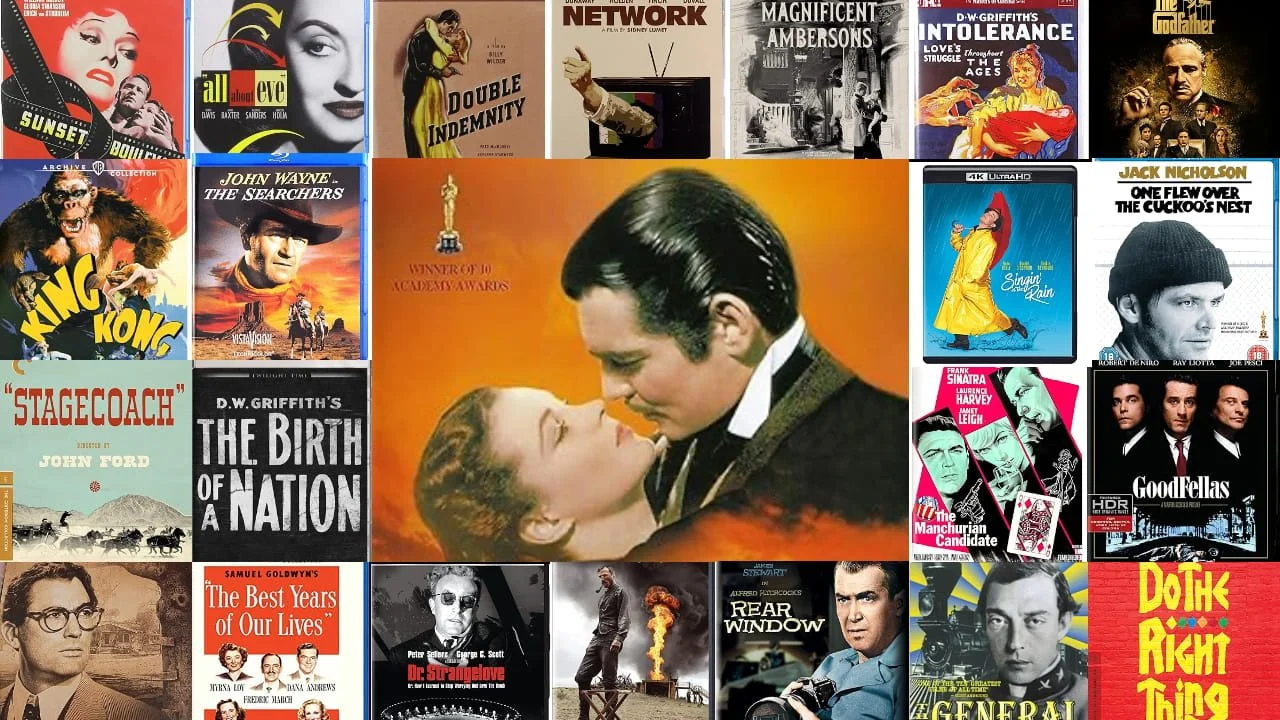
An essay from the History of American Cinema series
Part 1
By the late 1960s, Hollywood had a problem: young people no longer cared about the movies it was making.
The old studio system had spent decades producing glossy musicals, historical epics, and star-driven prestige pictures aimed at broad middle-American audiences. But postwar America had changed. The children born after World War II were becoming teenagers and college students, and they were increasingly suspicious of institutions that felt artificial, conservative, or out of touch. Hollywood looked like one of them.
The collapse did not happen overnight. It happened slowly, through a series of cultural shifts that made American cinema feel suddenly old.
Television had already weakened theater attendance in the 1950s, but the deeper problem was generational. Younger audiences were no longer interested in the polished optimism of classical Hollywood. They wanted movies that felt personal, political, dangerous, and real.
Ironically, the industry’s salvation came from filmmakers working outside of it.
Independent cinema in the 1960s exploded because filmmaking equipment had become cheaper and more accessible. Younger filmmakers no longer needed the full support of the studio system to make movies. Directors like Jonas Mekas treated cinema less like industrial entertainment and more like personal expression. Film was becoming art.
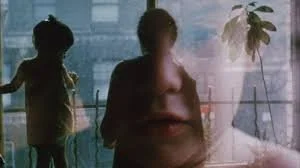
As I Was Moving Ahead Occasionally I Saw Brief Glimpses of Beauty (Jonas Mekas, 2000)
A home movie stretched into a philosophy of memory, this film transforms ordinary life into something almost sacred.
That idea gained intellectual legitimacy through auteur theory, popularized in America by critic Andrew Sarris. Auteur theory argued that directors were not simply employees of the studio system but artists whose personalities shaped every aspect of a film. Suddenly, movies could be discussed the same way people discussed novels or paintings.
This change mattered because it transformed the audience itself. Young people were no longer just consumers of movies. They became students of them.
College campuses became crucial cultural spaces for film culture during the 1960s. Universities introduced film majors, repertory screenings, and film societies. Students watched foreign cinema, underground films, and politically charged American independent work. Cinema became intertwined with counterculture.
At the same time, Hollywood censorship was beginning to collapse.
In 1952, the Supreme Court granted films First Amendment protection, weakening the authority of the Production Code Administration and allowing more explicit, experimental, and politically confrontational films to emerge. Underground filmmakers pushed against every remaining boundary. Films like Flaming Creatures (1963) and Blow Job (1964) existed completely outside the moral framework of classical Hollywood.
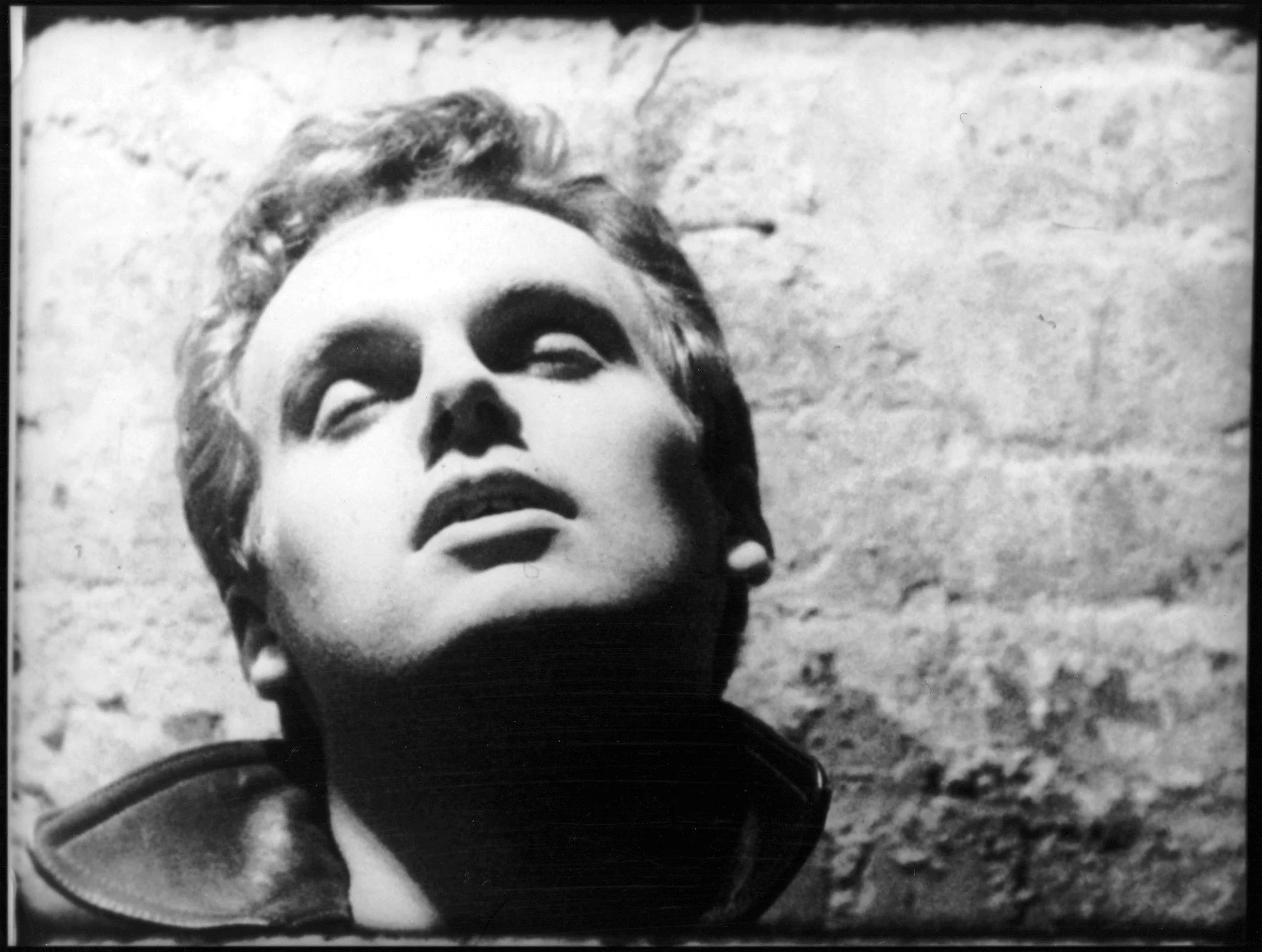
Blow Job (Andy Warhol, 1964)
This film reduces sexuality to reaction and observation, forcing the audience to confront performance, voyeurism, and the strange intimacy of watching a face instead of an act
The Production Code ultimately failed because it misunderstood the audience it was trying to control. Younger viewers wanted films that addressed sexuality, violence, alienation, and politics seriously rather than hiding them behind sanitized moral lessons.
Meanwhile, the studios kept making expensive musicals.
The enormous success of The Sound of Music convinced executives that lavish roadshow productions were still the future. Hollywood responded by attempting to replicate the formula repeatedly, leading to massive financial failures throughout the late 1960s. The industry realized something terrifying: young audiences had stopped trusting the old Hollywood image entirely.
That fear opened the door for younger filmmakers.
Executives began hiring younger production heads and directors who seemed more connected to contemporary youth culture. Films like The Graduate captured the anxiety and disillusionment of a generation that felt alienated from traditional American life. The film’s protagonist drifts through suburban adulthood with visible emptiness, and the movie’s famous ending offers uncertainty instead of resolution.
That ambiguity was revolutionary.
For decades, Hollywood films had reassured audiences that institutions worked. By the late 1960s and early 1970s, American cinema increasingly suggested the opposite.
No film captures this better than The Conversation.
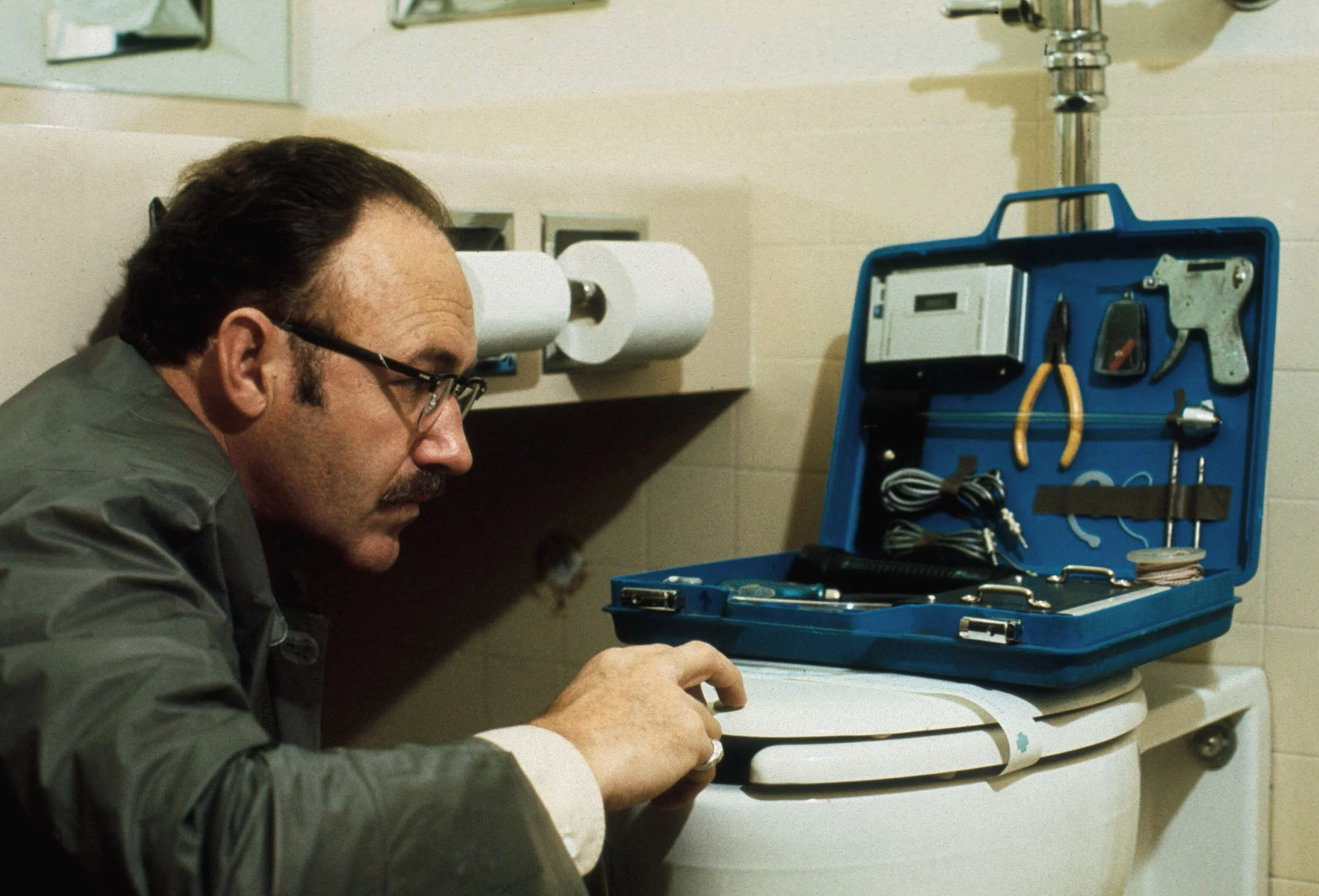
The Conversation (Francis Ford Coppola, 1974)
This film turns surveillance into existential horror, capturing a decade defined by paranoia, political distrust, and the fear that privacy itself no longer exists.
Directed by Francis Ford Coppola during the aftermath of Watergate, the film follows surveillance expert Harry Caul as paranoia consumes him. The movie reflects a broader cultural distrust of political and corporate authority in 1970s America. Its final image — Harry tearing apart his apartment searching for a hidden recording device — feels like a metaphor for an entire decade unraveling under suspicion.
The most fascinating part of New Hollywood was that these films were not simply made for youth audiences. They were made by people who belonged to the same generation as those audiences.
For a brief period, Hollywood genuinely reflected youth culture instead of selling simplified fantasies back to it.
That openness also created space for Black filmmakers working outside traditional Hollywood structures.
Blaxploitation cinema emerged in the early 1970s as studios recognized the commercial potential of younger Black urban audiences. Films mixed crime, action, sexuality, and anti-establishment energy into highly marketable entertainment. While these movies found commercial success, critics argued that they relied heavily on caricature and exploitative stereotypes.
At the same time, another movement was developing in direct opposition to those commercial formulas.
The L.A. Rebellion, formed largely through UCLA film programs, consisted of young Black filmmakers who wanted to portray African American life with political seriousness and realism. Rather than embracing exploitation aesthetics, these filmmakers viewed cinema as a tool for cultural and social change.
Both movements reveal the same truth about 1970s Hollywood: younger audiences had become impossible to ignore.
For a moment, American cinema felt unstable, political, and artistically alive. Young filmmakers challenged institutions, questioned authority, and treated movies as personal expression rather than pure commerce.
But Hollywood eventually discovered something even more profitable than counterculture.
It discovered the blockbuster…
Sources & Further Reading
The Conversation (Francis Ford Coppola, 1974)
The Graduate (Mike Nichols, 1967)
The Sound of Music (Robert Wise, 1965)
Flaming Creatures (Jack Smith, 1963)
Blow Job (Andy Warhol, 1964)
Jaws (Steven Spielberg, 1975)
Star Wars (George Lucas, 1977)
Apocalypse Now (Francis Ford Coppola, 1979)
Heaven’s Gate (Michael Cimino, 1980)
Cocktail (Roger Donaldson, 1988)
sex, lies, and videotape (Steven Soderbergh, 1989)
