Jaws and the Death of New Hollywood
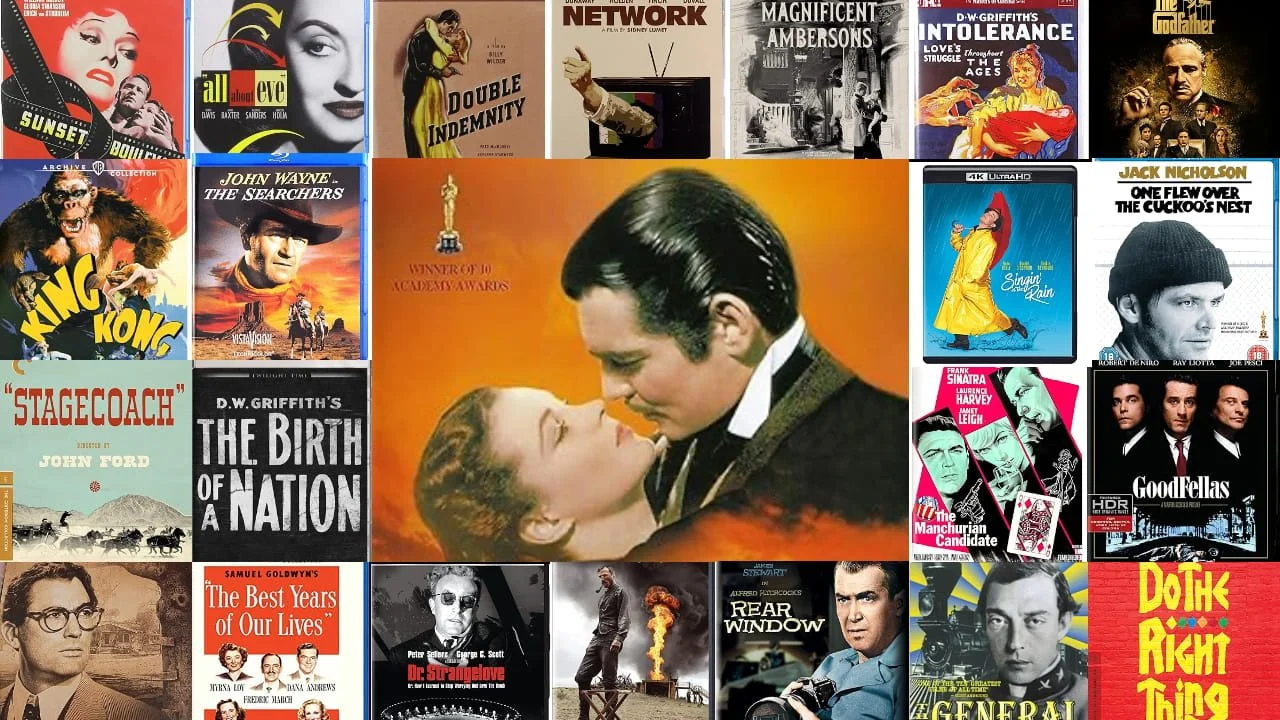
An essay from the History of American Cinema series
Part 2
There is a popular myth about the blockbuster. The myth says that Hollywood accidentally stumbled into the modern franchise era when a giant mechanical shark terrified audiences in the summer of 1975.
The truth is more complicated.
Jaws did not simply become a hit movie. It fundamentally changed how Hollywood understood audiences, marketing, exhibition, and profit. More importantly, it changed what kind of youth audience Hollywood wanted.
The New Hollywood era of the late 1960s and early 1970s had been built around younger viewers interested in experimentation, politics, and auteur-driven filmmaking. Studios gave directors extraordinary creative freedom because they believed younger filmmakers better understood changing American culture. That freedom produced masterpieces… It also produced chaos.
By the mid-1970s, studios were increasingly nervous about the unpredictability of director-driven filmmaking. Expensive productions spiraled out of control. Films like Apocalypse Now and Heaven's Gate became symbols of an industry losing faith in artistic excess.
Then came Jaws.
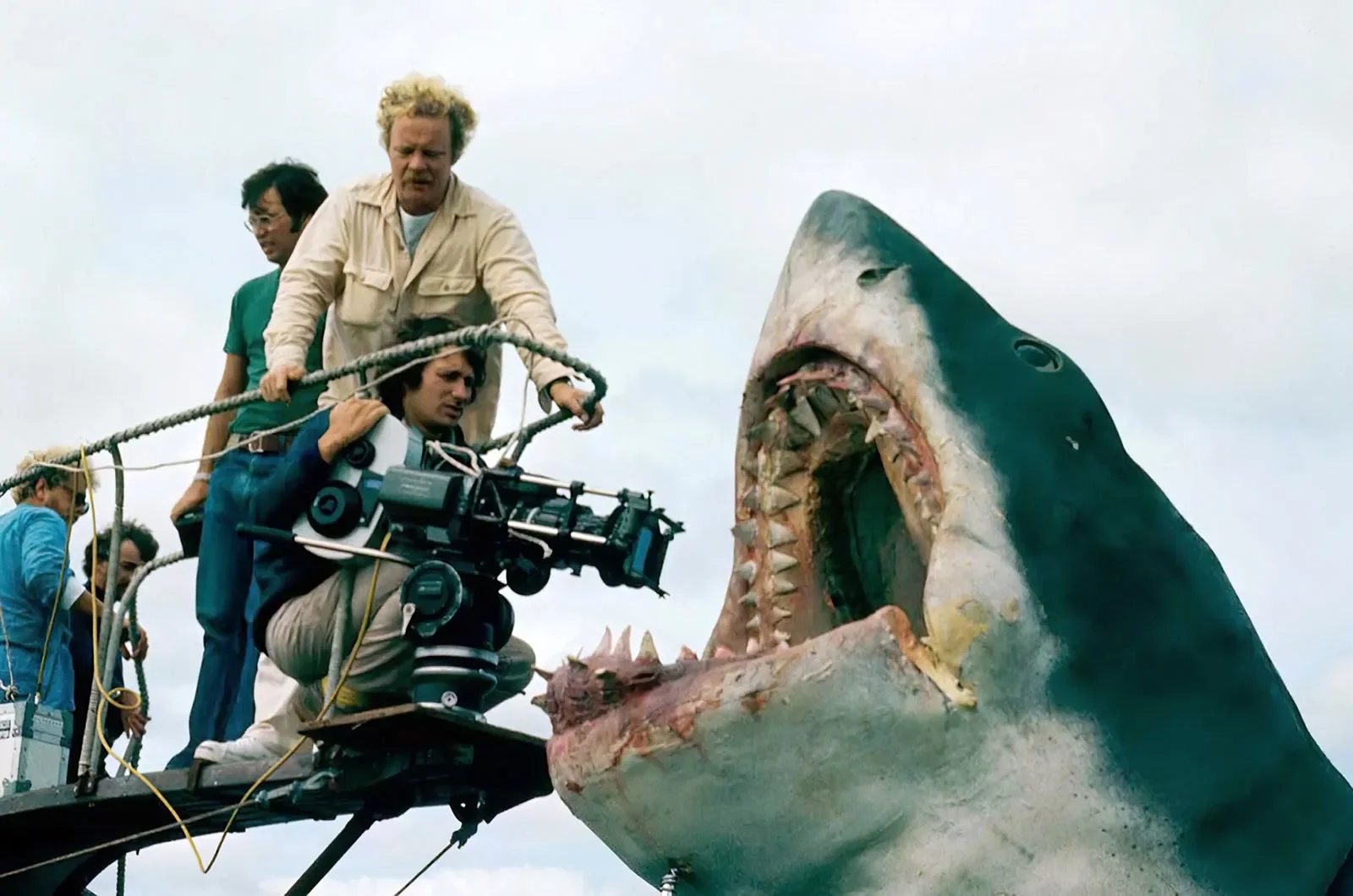
More than just a shark movie, Jaws (1975) reinvented Hollywood itself, transforming the summer blockbuster into a national event built on spectacle, marketing, and mass audience appeal.
Directed by Steven Spielberg, the film transformed what had essentially been a monster movie into a national cultural event. Universal Pictures marketed the movie aggressively on television before release, creating anticipation on a scale Hollywood had rarely attempted.
Equally important was how the film was released. Instead of slowly expanding city by city, Jaws opened across the country simultaneously through a saturation release strategy. Audiences everywhere could experience the movie immediately, turning opening weekend into a shared national event.
The timing mattered too. Summer became the perfect season for blockbuster cinema because schools were out and teenagers suddenly had free time. Hollywood realized that young people were not just an audience demographic — they were the ideal consumers for repeat theatrical viewing.
Theaters themselves increasingly moved into malls, spaces already designed around teenage social activity. Exhibition strategies now physically revolved around youth culture.
The genius of Jaws was that it combined relatively simple storytelling with overwhelming marketability. Its imagery was instantly recognizable. Its premise could be summarized in seconds. Its thrills worked across age groups. Most importantly, it could be sold. This became the foundation of blockbuster logic.
Soon afterward, Star Wars perfected the formula.

George Lucas’ Star Wars (1977) proved that blockbuster filmmaking could become mythology, merging spectacle, merchandising, and franchise storytelling into the defining model of modern Hollywood.
Where Jaws created the event movie, George Lucas created the modern franchise. Toys, posters, lunchboxes, video games, and licensing became central to Hollywood economics rather than secondary income streams. Hollywood executives suddenly realized that one massively successful film could support entire studios through merchandising alone.
This marked a dramatic shift in what the term “youth audience” meant. The youth culture of the late 1960s had revolved around counterculture politics, art cinema, and distrust of institutions. The blockbuster era targeted a much younger demographic: teenagers, especially teenage boys.
And instead of challenging institutions, blockbuster films increasingly emphasized clear morality, recognizable heroes, and easily marketable iconography. Ironically, the blockbuster was heavily influenced by exploitation genres that Hollywood once treated as disposable.
Science fiction.
Horror.
Adventure serials.
Disaster films.
The difference was scale. Blockbusters transformed exploitation aesthetics into prestige entertainment with enormous advertising budgets and nationwide releases.
Advertising itself became inseparable from the moviegoing experience. Studios saturated television with commercials. MTV became a powerful promotional tool during the 1980s, blending music videos with film marketing. Songs attached to movies could become hits independently, while movies benefited from constant exposure through youth-oriented television.
The Beach Boys’ “Kokomo,” heavily associated with Cocktail, represents this merger between pop music and cinematic branding. Hollywood had fully embraced synergy. Films no longer existed as isolated works. They became multimedia products designed to generate revenue across toys, soundtracks, games, fast food promotions, and home video. And the system worked.
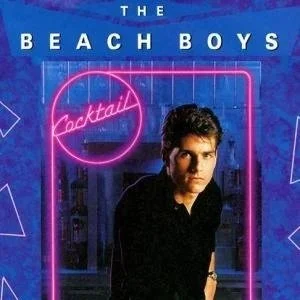
The Beach Boys’ “Kokomo,” featured prominently in Cocktail (1988), captures the blockbuster era’s obsession with synergy — where movies, pop music, and marketing blurred together into a single commercial experience
That success came with consequences.
The blockbuster era gradually pushed Hollywood away from the political ambiguity and artistic experimentation that defined New Hollywood cinema. Risk became increasingly concentrated into expensive franchise-friendly properties with broad appeal.
The industry no longer wanted films that reflected youth anxiety. It wanted films that could sell youth identity back as a product. The irony is that many blockbuster directors emerged from the very generation that once challenged Hollywood convention. Spielberg and Lucas were film-school auteurs shaped by the same youth-oriented film culture that produced New Hollywood.
But unlike directors such as Coppola or Altman, they discovered how to merge auteur identity with corporate profitability.
Hollywood never looked back.
Sources & Further Reading
The Conversation (Francis Ford Coppola, 1974)
The Graduate (Mike Nichols, 1967)
The Sound of Music (Robert Wise, 1965)
Flaming Creatures (Jack Smith, 1963)
Blow Job (Andy Warhol, 1964)
Jaws (Steven Spielberg, 1975)
Star Wars (George Lucas, 1977)
Apocalypse Now (Francis Ford Coppola, 1979)
Heaven’s Gate (Michael Cimino, 1980)
Cocktail (Roger Donaldson, 1988)
sex, lies, and videotape (Steven Soderbergh, 1989)
