When Movies Became Franchises
An essay from the History of American Cinema series
Part 3
Modern Hollywood rarely sells individual movies anymore. It sells worlds.
When audiences buy tickets to a contemporary blockbuster, they are often buying entry into a larger ecosystem made up of sequels, streaming shows, merchandise, games, theme park attractions, and online fandom culture.
The modern franchise film is less a standalone work than a permanent intellectual property machine. This system did not appear out of nowhere. It emerged gradually from the blockbuster logic established in the late 1970s.
Once Hollywood realized that merchandising could generate extraordinary profits, studios began prioritizing films that could sustain long-term brand recognition. The goal was no longer simply producing a successful movie. The goal became producing expandable universes.
Franchise filmmaking depends heavily on younger audiences because younger viewers are more likely to engage repeatedly with characters, collectibles, games, and serialized storytelling. At the same time, franchise cinema increasingly targeted parents through nostalgia.
This created a powerful commercial cycle.

Parents who grew up with blockbuster franchises in the 1980s and 1990s introduced those same properties to their children, creating multigenerational consumer loyalty. Hollywood discovered that nostalgia itself could become a marketing strategy.
The perfect franchise film appeals simultaneously to children experiencing a story for the first time and adults reliving childhood attachment to familiar characters. This logic eventually evolved into transmedia storytelling.
Rather than containing a narrative entirely within a single film, franchise stories became dispersed across multiple forms of media. Video games, comics, television series, novels, and streaming spin-offs all contributed pieces to larger fictional universes.
The audience was no longer expected to simply watch movies. They were expected to inhabit franchises. In some ways, this development represents the ultimate victory of synergy.
During the New Hollywood era, directors often treated cinema as personal expression. Franchise filmmaking treats cinema more like platform management. This does not necessarily mean franchise films cannot be artistic. Many are visually inventive, emotionally resonant, and technically impressive.
But the industrial priorities have changed. A studio investing hundreds of millions of dollars into a franchise property cannot tolerate the same level of creative unpredictability that characterized the 1970s. Narrative ambiguity becomes dangerous when entire merchandising campaigns depend on audience accessibility. That tension explains why modern Hollywood often feels trapped between art and branding.
Even independent cinema eventually became partially absorbed into this system.
Following the success of sex, lies, and videotape, studios recognized the financial potential of smaller prestige-oriented independent films aimed at adult audiences. This movement, often called Indiewood, briefly created an alternative space within the industry for more intimate and controversial storytelling.
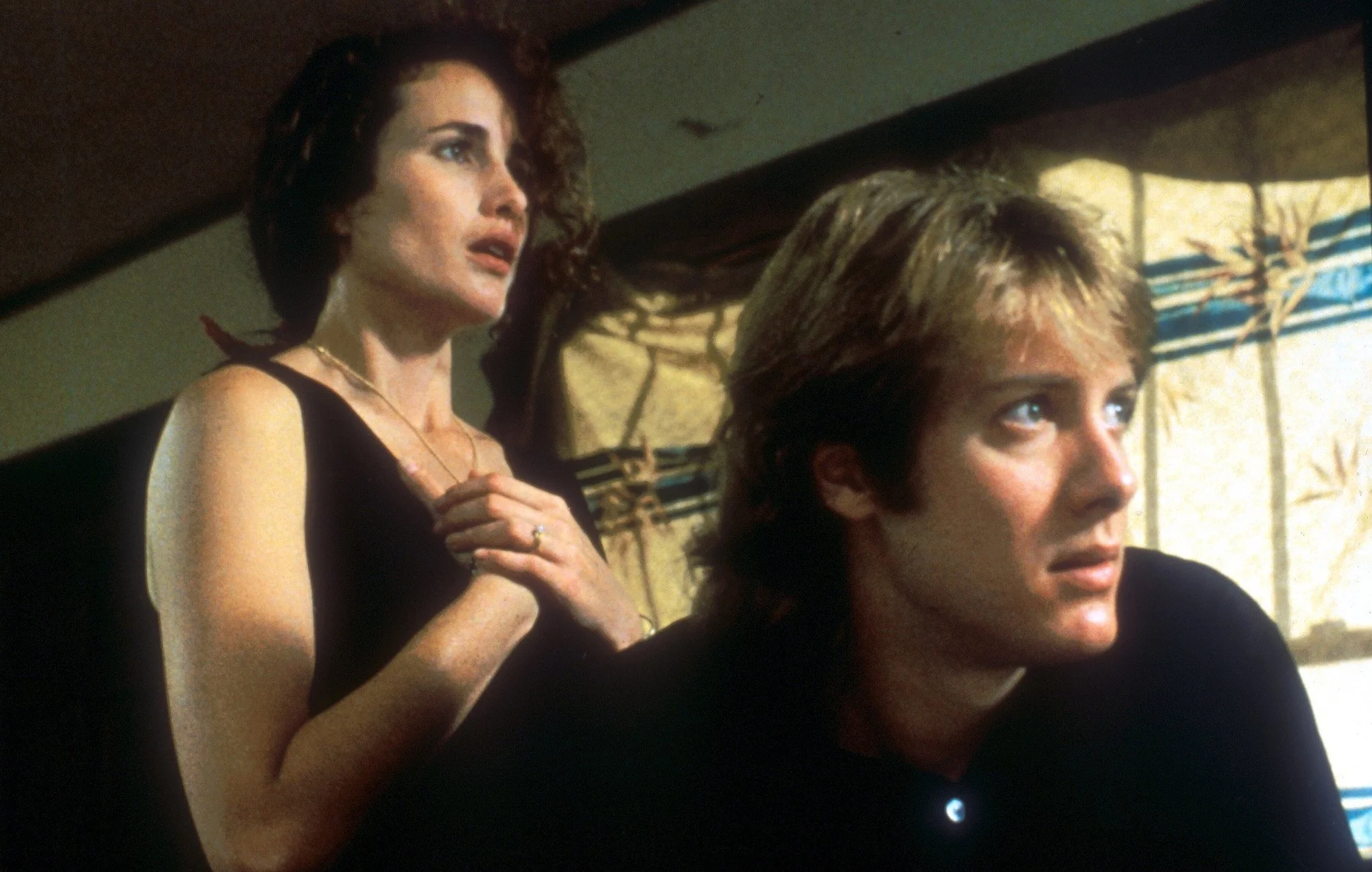
Steven Soderbergh’s sex, lies, and videotape (1989) helped redefine American independent cinema, proving that intimate, emotionally raw stories could challenge the dominance of the blockbuster era.
Films associated with New Queer Cinema pushed this further by centering LGBTQ experiences while openly engaging with political issues such as the AIDS crisis and equal rights activism.
For a time, independent cinema appeared capable of balancing artistic experimentation against blockbuster dominance. But blockbuster economics eventually overwhelmed nearly everything else. Today, the highest-grossing films in the world are overwhelmingly franchise properties built around recognizable intellectual property. Original filmmaking still exists, but it often survives outside the center of the industry rather than defining it.
Ironically, the youth audience that once helped destabilize old Hollywood institutions has become the audience most aggressively targeted by corporate entertainment systems.
The counterculture student audiences of the 1960s wanted movies that challenged social structures and reflected political uncertainty.
Modern franchise cinema frequently offers the opposite: interconnected fictional universes designed for maximum accessibility and long-term brand loyalty.
Hollywood still depends on youth.
But now, instead of responding to youth culture, it increasingly manufactures it.
Sources & Further Reading
The Conversation (Francis Ford Coppola, 1974)
The Graduate (Mike Nichols, 1967)
The Sound of Music (Robert Wise, 1965)
Flaming Creatures (Jack Smith, 1963)
Blow Job (Andy Warhol, 1964)
Jaws (Steven Spielberg, 1975)
Star Wars (George Lucas, 1977)
Apocalypse Now (Francis Ford Coppola, 1979)
Heaven’s Gate (Michael Cimino, 1980)
Cocktail (Roger Donaldson, 1988)
sex, lies, and videotape (Steven Soderbergh, 1989)
