The French New Wave and the Invention of the Modern Film Director
An essay from the History of World Cinema series
Part 2
The French New Wave did not simply change how movies looked. It changed how people thought about directors.
By the late 1950s, younger French critics and filmmakers had grown frustrated with what dominated their national cinema. The industry was controlled by the “Tradition of Quality” which valued polished literary adaptations and prestige productions that emphasized technical refinement over personal vision.
To many younger cinephiles, these films felt lifeless.
François Truffaut attacked this tradition directly in his famous essay “A Certain Tendency in French Cinema,” arguing that French cinema had become creatively stagnant.
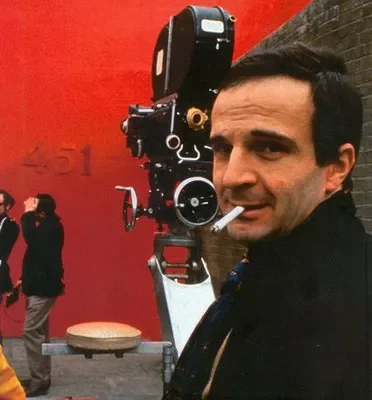
François Truffaut helped redefine the director as an “auteur,” arguing in his landmark essay “A Certain Tendency in French Cinema” that films should reflect the personal vision of the filmmaker rather than the polish of studio tradition.
What these younger filmmakers wanted instead was personality. Cinema should reflect the worldview of the person behind the camera. This idea became the basis for auteur theory.
Although critics like André Bazin helped shape the intellectual environment surrounding the French New Wave, directors such as François Truffaut, Jean-Luc Godard, Agnès Varda, and Claude Chabrol transformed those ideas into practice.
The result was a cinema that felt radically alive.
French New Wave films rejected the rigidity of studio filmmaking. Directors shot on location, embraced handheld cameras, used natural lighting, and allowed scenes to unfold with spontaneity that often felt accidental.
But unlike Italian Neorealism, the French New Wave was not entirely focused on objective realism. It was deeply personal. The directors wanted audiences to feel their presence within the films themselves.
No film captures this balance between realism and subjectivity better than The 400 Blows (1959).
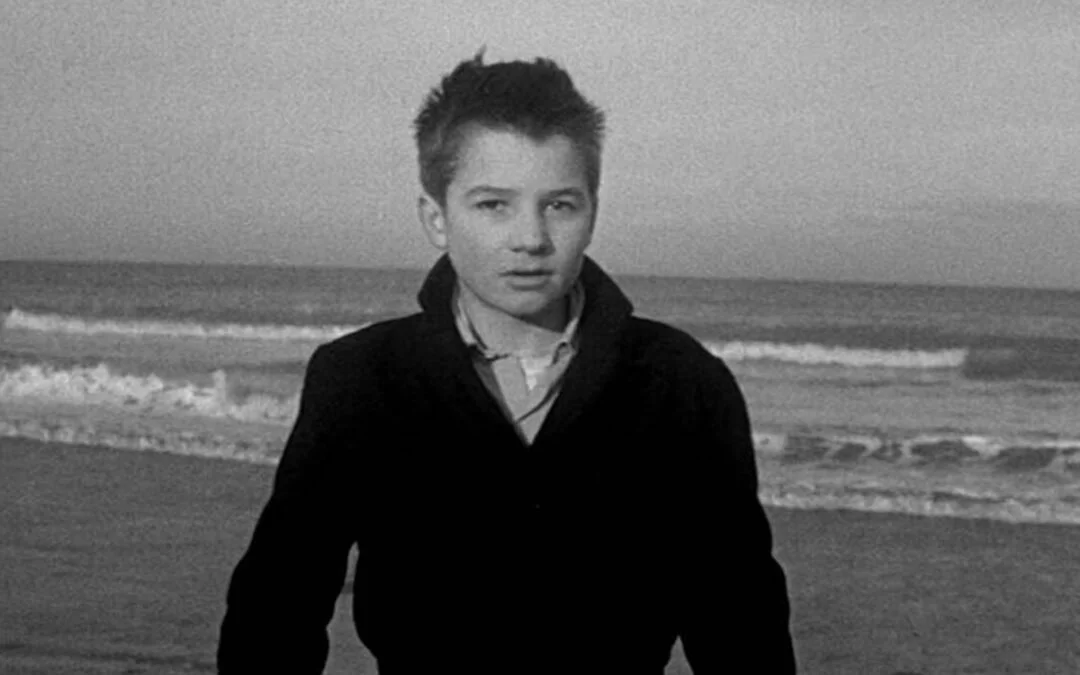
François Truffaut’s The 400 Blows (1959) captures adolescence with startling intimacy, transforming youthful rebellion and emotional neglect into one of the defining works of the French New Wave.
Truffaut’s semi-autobiographical film follows Antoine Doinel, a neglected Parisian teenager drifting through school, petty crime, and emotional isolation. The film contains scenes that appear almost plotless: Antoine skips school, wanders through the city, rides carnival attractions, and spends time with friends without clear narrative purpose. These moments feel real precisely because they are not tightly controlled.
Italian Neorealism had already demonstrated that realism could emerge through meandering narrative structure and location shooting. The French New Wave inherited those techniques but infused them with autobiography and cinematic self-awareness.
This reflexivity became one of the movement’s defining traits. French New Wave films constantly remind viewers that they are watching movies. Characters discuss cinema. Directors reference film history. Editing becomes deliberately noticeable.
The movement emerged alongside the growth of film culture itself. Repertory screenings, film journals, and cinephile communities transformed movies into intellectual objects worthy of analysis.
Watching films became inseparable from discussing them. This self-awareness distinguished the French New Wave from Italian Neorealism. Where Neorealism often attempted to disappear into reality, the French New Wave openly celebrated cinema as cinema.
Yet the two movements remain deeply connected. Both rejected polished studio traditions. Both embraced realism and location shooting. Both emerged from younger generations dissatisfied with existing cinematic forms.
The difference lies in tone.
Italian Neorealism feels haunted by war and national collapse.
The French New Wave feels energized by youth culture, intellectual freedom, and artistic possibility.
One movement looks outward toward society.
The other turns inward toward personal expression.
Together, they helped create the modern idea of the filmmaker as artist.
Sources & Further Reading
The 400 Blows (François Truffaut, 1959)
François Truffaut, “A Certain Tendency in French Cinema”
André Bazin, What Is Cinema?
Adapted from the user’s History of World Cinema paper
