On the “So Bad It’s Good” Trope
There are technically good movies that disappear from culture within months of release.
Then there are movies like The Room, Twilight, Scooby-Doo, Birdemic, The Bee Movie, and Jack and Jill that people quote for decades.
That disconnect fascinates me.
Traditional criticism tends to treat cult classics like accidents. Movies become “so bad they’re good,” audiences ironically latch onto them, and suddenly a failed film develops a second life online. But I think that explanation undersells what is actually happening culturally. Most cult classics survive not because they are secretly masterpieces, but because they possess something many polished movies completely lack: Personality.
I would take a messy memorable movie over a technically competent forgettable one any day.
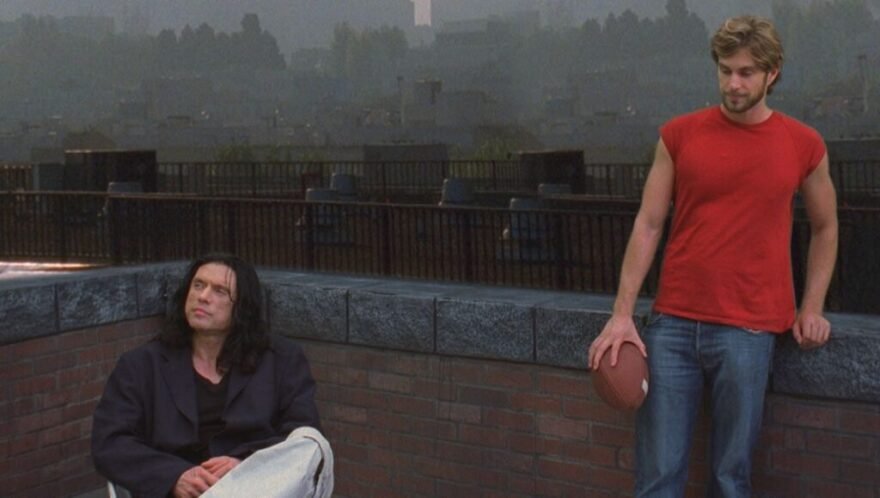
The Room is the crown jewel of “so bad it’s good” cinema: a melodrama so bizarre, awkward, and unintentionally hilarious that every line reading, random subplot, and emotional breakdown becomes hypnotically entertaining. What begins as a failed relationship drama slowly transforms into a surreal comedy experience unlike anything else in film history.
That does not mean every badly made movie deserves reevaluation. Plenty of bad movies simply disappear because they have nothing emotionally, aesthetically, or culturally distinct about them. Nobody forms attachments to generic failure. Cult classics endure because they feel specific. They make choices. Sometimes terrible choices, but choices nonetheless.
You can feel the fingerprints of the people who made them.
Take Twilight. Even people who hate the movie can immediately identify its strange blue-gray color palette, awkward line deliveries, hyper-serious romance, and aggressively emotional tone. The baseball scene set to Muse is ridiculous and completely sincere at the same time. Critics mocked the films endlessly on release for their awkward acting and melodramatic source material, but years later, audiences still revisit them constantly because the movies have identity.
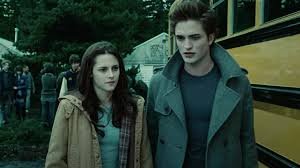
Modern franchise filmmaking often feels terrified of identity.
So many blockbusters now are technically polished but emotionally anonymous. Everything is flattened into the same color grading, the same quippy dialogue, the same safe emotional rhythm designed to appeal to the widest possible audience. They are expensive, competent, and strangely disposable.
Meanwhile, people still scream “You’re tearing me apart, Lisa!” at midnight screenings nearly twenty years later.
That matters.
The cultural afterlife of a movie tells us something critic scores and box office numbers cannot. Movies are not just products people consume once. They become rituals, memes, shared language, and emotional reference points. Cult classics thrive because audiences participate in them.
People quote The Bee Movie ironically until the irony disappears entirely.
People watch Scooby-Doo at parties because its camp aesthetic is genuinely enjoyable.
People revisit The Wicker Man remake specifically to watch Nicolas Cage descend into operatic insanity.
Even Jack and Jill, a movie most critics considered completely idiotic, survives culturally almost entirely because of one scene: Dunkaccino. That sequence has transcended the movie itself. It barely matters whether the film “works” traditionally anymore because audiences extracted something memorable from it and carried it forward independently.
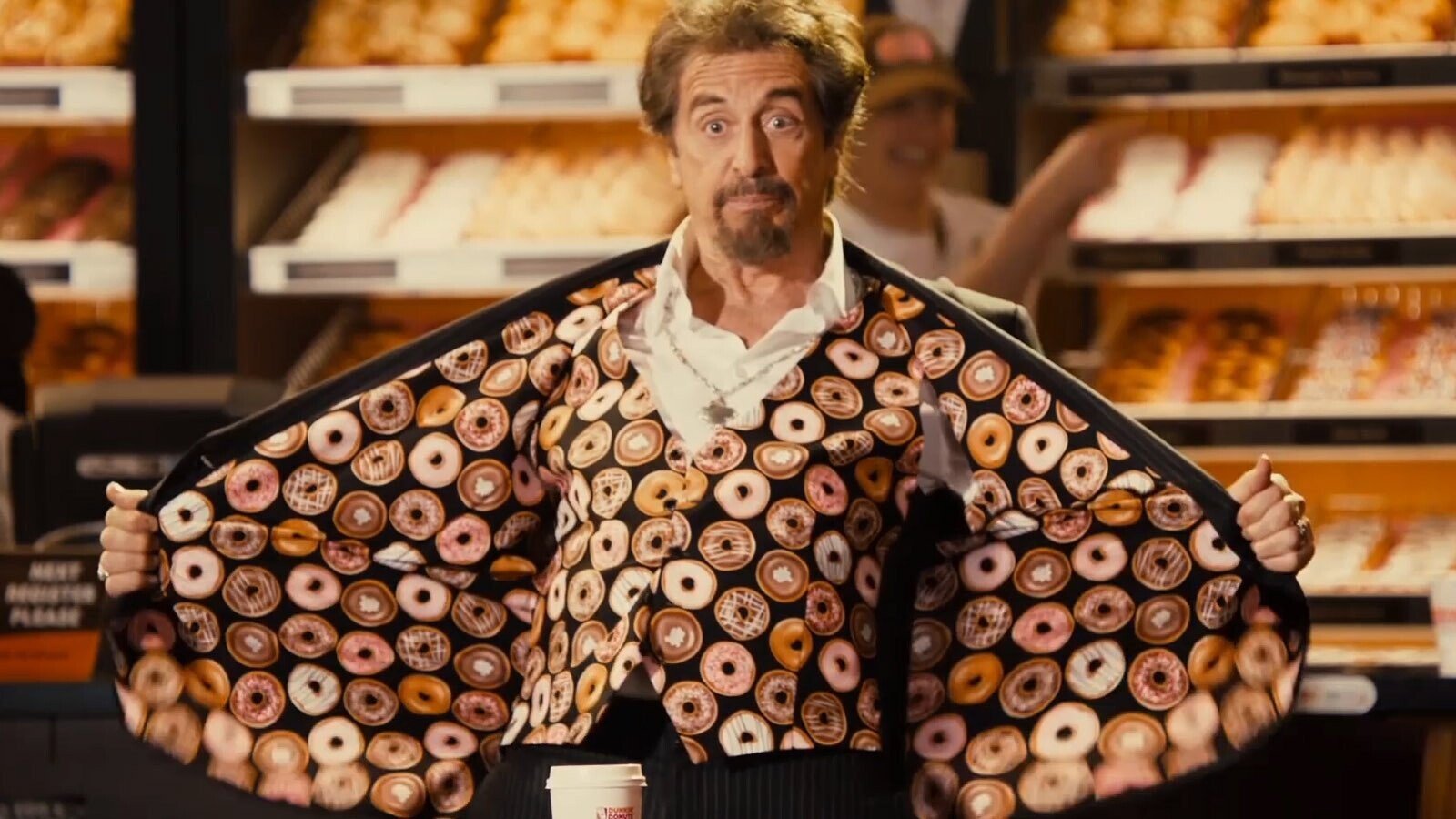
In the “Dunkaccino” scene from Jack and Jill, Al Pacino performs a bizarre commercial musical for Dunkin’ Donuts, singing, dancing, and rapping about coffee drinks alongside backup dancers in an over-the-top studio production.
Memorability outlives quality far more often than critics like admitting.
I think irony plays a major role in this process, but irony alone cannot sustain a movie for years. Audiences eventually move past shallow mockery. The reason many cult classics survive is because ironic enjoyment slowly transforms into genuine affection. People begin by laughing at the movie and eventually start appreciating the strange sincerity underneath it.
That sincerity is important.
The best cult classics commit fully to their own worlds no matter how bizarre they become. The Room does not feel calculated. Tommy Wiseau genuinely believed he was making a devastating emotional drama. The sincerity of that attempt is part of what makes the movie fascinating. If the film were intentionally self-aware, it probably would not have become a cult phenomenon at all.
The same thing applies to camp.
I love camp when it is done well, but great camp requires commitment. Movies like Scooby-Doo work because they fully embrace their absurdity without apologizing for it. The performances are huge. The aesthetic is exaggerated. Everything is loud, colorful, and slightly ridiculous. The movie understands exactly what tone it wants and pursues it aggressively.
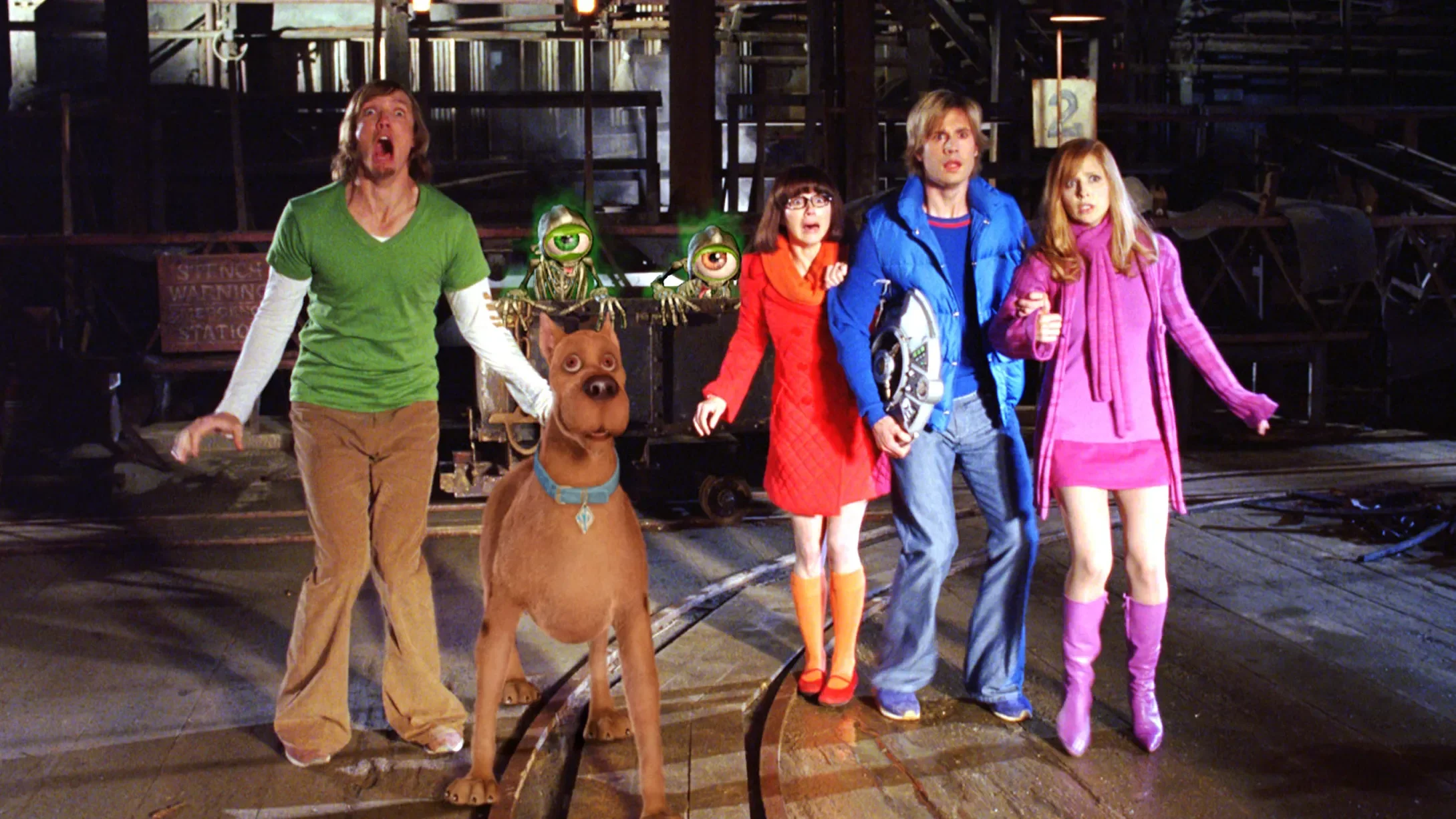
Camp fails when filmmakers become too embarrassed by their own material.
That is why so many modern reboots feel lifeless. They constantly wink at the audience instead of fully committing to a bit. Cult classics often survive because they refuse to protect themselves from ridicule.
Honestly, I think audiences are starting to crave that messiness again.
The internet has changed how movies survive culturally. A film no longer needs critical acclaim to remain relevant. Meme culture, clips, ironic fandom, TikTok edits, and communal rewatching allow movies to develop entirely new reputations years after release. If The Room released today, it would probably explode online instantly. Entire scenes would become reaction images within hours.
But underneath all the irony and memes, I think people are responding to something deeper.
Cult classics feel human.
Not polished. Not perfect. Human.
You can see ambition stretching beyond ability. You can see actors making bizarre choices. You can feel movies desperately trying to create emotional impact even when they fail spectacularly. There is vulnerability in that kind of filmmaking.
And vulnerability is memorable.
That is why I will always prefer a movie that swings wildly and crashes over one that safely calculates every audience reaction in advance. Even failure becomes interesting when a movie has a real personality behind it.
A technically perfect movie can disappear overnight.
A weird movie never really dies.
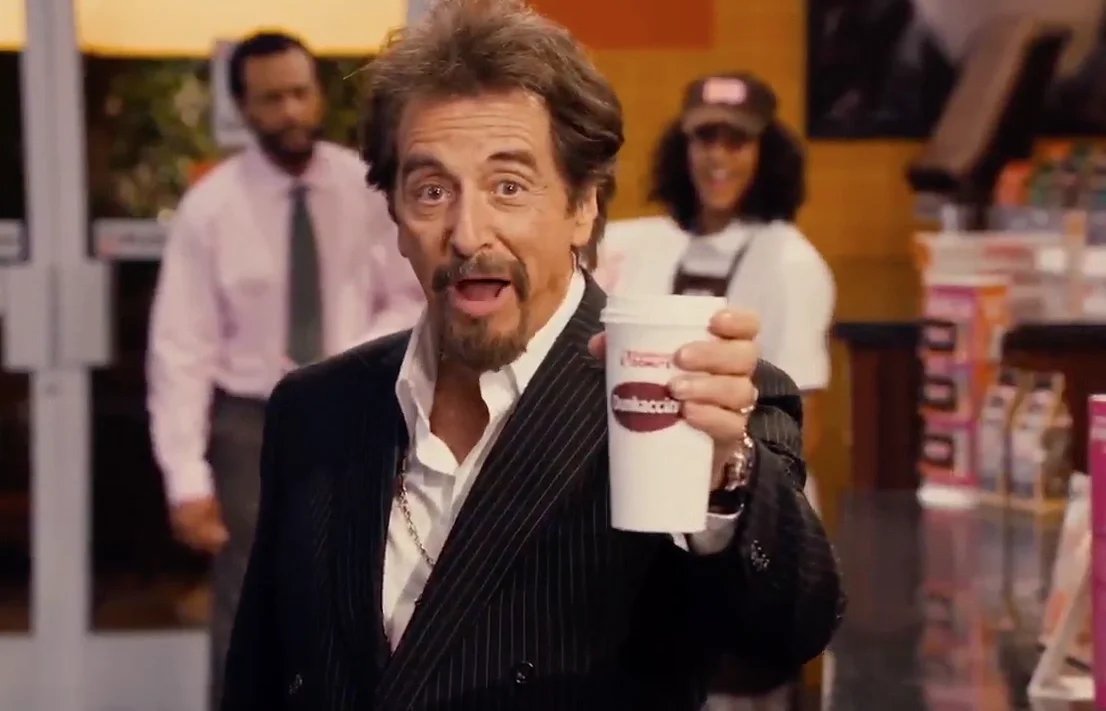
Dunkaccino forever.
